Published: August 27, 2026 Last Updated 1 month ago by FPN
At nearly every Nigerian wedding planning meeting, someone eventually asks, “How much is this actually going to cost?” The question is often met with silence until the event planner begins outlining figures that surprise everyone.
A Nigerian wedding in 2026 involves multiple expenses that begin well before the event itself. By the time all ceremonies, attire, venue, catering, décor, photography, music, and other essentials are covered, the total cost can be substantial.
Data shows that a mid-range Nigerian wedding in 2026 typically costs between ₦6 million and ₦40 million, including all contributions.
With inflation at 15.38% as of March 2026, every aspect of wedding planning has become more expensive.
Recent reports indicate that urban professionals spend an average of ₦13 million. Some, such as Simi Dapson, have spent ₦10 million on the venue alone. For high-end events, planners have managed budgets from ₦50 million up to ₦900 million.
Economic pressures are changing how Nigerians plan weddings. Couples are reducing guest lists, choosing weekday events, and reconsidering catering and venue options.
 Photo: Instagram/temiotedola
 Despite these challenges, the wedding industry remains strong, fueled by cultural expectations, family influence, and the belief that a wedding is a significant statement.
There is no fixed cost for a Nigerian wedding. The total depends on guest count, location, number of ceremonies, venue quality, catering standards, décor, and choices such as outfit changes, entertainment, and professional planning.
This guide offers a realistic overview of 2026 wedding costs based on current market rates in major cities. It breaks down expenses by budget tier and category, and suggests practical ways to manage spending while preserving the celebration’s essence.
Overall Nigerian Wedding Cost Ranges in 2026
Broad national ranges for combined traditional and white wedding celebrations look roughly like this:
- Intimate or budget wedding (50–150 guests, simpler venues and catering): ₦1.5 million to ₦5 million
- Mid-range or standard wedding (200–400 guests, professional vendors, proper event centre): ₦5 million to ₦20–25 million
- Premium or luxury wedding (500+ guests, top venues, high-end décor and entertainment): ₦40 million to ₦100 million and above, with the most elaborate Lagos or Abuja events exceeding ₦150–200 million
Location multiplies these figures. Lagos Island (Victoria Island, Lekki) sits at the top of the scale.
Lagos Mainland, Abuja, Port Harcourt, and other major cities sit lower, while secondary cities such as Ibadan, Enugu, Benin, and Kano remain significantly more affordable for comparable guest numbers and quality.
Major Nigerian Wedding Cost Categories Explained
Planning a wedding involves more than choosing a beautiful venue or finding the perfect dress.
Every decision, from the ceremony location and catering to photography, décor, outfits, entertainment, and transportation, comes with its own cost.
Understanding these major wedding expenses before making bookings can help you create a realistic budget and avoid unexpected financial pressure as the big day approaches.
Whether you are planning an intimate celebration or a large Nigerian wedding with multiple ceremonies, knowing where your money is likely to go makes it easier to decide what deserves the biggest share of your budget.
Below, we break down the major categories of Nigerian wedding costs and what to consider for each.
 Photo: Instagram/danielblaq_
 Venue and Hall Hire
The wedding venue is often the second-largest, or the largest, single expense after catering. In 2026, Lagos Island premium event centres and hotel ballrooms commonly range from ₦2.5 million to ₦10 million or more for a day, depending on capacity and exclusivity.
Mainland halls in Ikeja, Oregun, or similar areas typically range from ₦500,000 to ₦3 million.
Abuja venues range from a few hundred thousand Naira for modest halls to several million for top hotel facilities such as those at Transcorp Hilton Hotel.
Secondary cities offer solid halls for ₦300,000 to ₦1.5 million. Always factor in generator fuel, security, cleaning, and any overtime charges.
Catering and Drinks
Food is consistently the biggest or near-biggest line item. Per-head costs for main catering in 2026 typically range from ₦3,000 to ₦10,000 or higher, with Lagos Island and premium Abuja locations at the upper end.
For 300 guests, basic-to-mid catering can total ₦900,000 to ₦3 million before drinks, small chops, service staff, and logistics.
Full-service packages that include drinks and more elaborate menus push the figure higher still. Drinks (soft drinks, water, alcohol where served) add another substantial amount.
Couples frequently underestimate final catering bills because quotes rarely include every ancillary charge.
Décor, Lighting and Rentals
Décor defines the visual identity of the wedding. Mid-range packages typically cost ₦1 million to ₦5 million, while premium floral, lighting, and structural installations can exceed ₦10 million.
Rentals such as chairs, tables, linens, and stage elements may be bundled or quoted separately. This category is highly flexible; couples can achieve elegant results with focused spending or invest more for a dramatic effect.
Photography and Videography
Quality documentation is one of the few elements that lasts beyond the day. Full-day packages covering traditional and white wedding events commonly range from ₦300,000 to ₦700,000 on the modest side, ₦1.2 million to ₦2.5 million or higher for experienced teams with multiple shooters, drones, and same-day edits.
Premium cinematic packages usually exceed these figures.
 Photo: Instagram/yorubatraditionalweddings
 Attire for the Couple
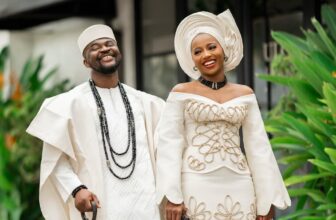
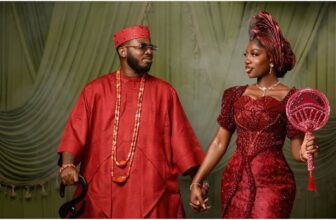
Bridal gowns, traditional outfits (aso-oke, lace, George, etc.), reception looks, groom’s agbada or suit, shoes, and accessories vary widely.
A functional set of outfits can be achieved for a few hundred thousand Naira; designer or heavily embellished pieces, with multiple changes, easily reach several million Naira, as many brides plan two to four looks across the events.
Aso-Ebi and Family Coordination
Aso-ebi is culturally significant but carries real cost — both for the couple (fabric for close family and bridal train) and for guests who purchase and sew their own.
Couples often manage fabric sales, which can offset some expense if handled well. Budget carefully for the bride’s own aso-ebi changes and any complimentary sets provided to key family members.
Entertainment, MC/Alaga, and Additional Services
DJ packages, live bands, MCs or traditional alagas, and special performances add atmosphere and cost. Top MCs and alagas book far in advance and command premium fees.
Makeup and hair for the bride (and often the bridal train), cake, invitations, souvenirs, transport, security, planner or coordinator fees, church or court costs, and a contingency buffer all contribute to the final total. A 10–15% contingency is strongly recommended.
Traditional Nigerian Wedding Ceremony Costs
Traditional weddings (Yoruba egbeyawo, Igbo igba nkwu, Hausa rites, and others) carry their own structure: bride price or dowry elements, specific attire, canopy or venue, catering, décor, alaga or equivalent, and family gift lists.
Budget traditional events for smaller guest lists can start around ₦1.5 ₦5 million; larger or more elaborate traditional celebrations scale accordingly.
Many couples combine traditional and white wedding budgets into one overall figure.
City-by-City Cost Perspective
Lagos Island carries the highest premiums for venue, catering, and many vendors. A standard 300-guest celebration on Lagos Island typically costs ₦15–₦25 million or more once all elements are included.
Lagos Mainland offers better value while still providing professional facilities. Abuja sits close to Lagos Mainland pricing for comparable quality, with advantages in parking and reliability. Port Harcourt is competitive.
Ibadan, Enugu, Benin, Kano, and similar cities allow mid-range celebrations at noticeably lower totals, often 40–60% less than equivalent events on Lagos Island due to lower venue and vendor rates.
Sample Budget Frameworks for Wedding Planning
For a mid-range 250–350-guest wedding combining traditional and white elements in a major city, a realistic working budget in 2026 often falls between ₦8 million and ₦20 million, depending on the exact location and choices.
Rough proportional allocation might look like this: catering and drinks 25–35%, venue and power 15–25%, décor 10–20%, photography/video 8–12%, attire 8–15%, entertainment and MC 5–10%, with the balance covering planner, cake, invitations, makeup, transport, contingency, and miscellaneous.
Intimate celebrations with 80–150 guests, simpler venues, and controlled catering can be achieved in the ₦2–6 million range in many cities with disciplined choices.
 Photo: Instagram/danielblaq__
 Luxury multi-day events with top vendors and large guest lists move into a different financial bracket entirely.
Power supply (if needed), vendor meals and logistics, overtime charges, last-minute guest additions, multiple gele or outfit changes, transport for family, accommodation for out-of-town relatives, security, cleaning, and post-event tips or envelopes all add up.
Aso-ebi management, if not carefully controlled, can create both expense and administrative burden. Always request itemised quotes and clarify what is excluded.
Strategies to Manage Costs Without Losing the Celebration
Manage the guest list carefully, as each additional 50 guests increases catering, seating, and related expenses. Consider mainland or secondary-city venues if location prestige is less important than overall experience.
Limit full outfit changes, and prioritize quality photography and catering over the most expensive décor or entertainment.
Negotiate package deals, book off-peak dates, and consider digital invitations. Control aso-ebi distribution or make it optional for wider guests.
 Photo: Instagram/bendito.amormx
 Hire a wedding planner or experienced coordinator if needed; their vendor relationships can help reduce costs and avoid mistakes. Establish and maintain a realistic contingency fund.
Family contributions remain common and culturally important. Clear early conversations about who is funding which elements prevent later tension.
Inflation and the 2026 Reality
Nigerian wedding Costs have risen substantially compared with pre-2023 levels. Food prices, fuel for generators, imported embellishments, and general vendor rates all reflect broader economic pressures.
The economic squeeze is driving a massive lifestyle shift among millennials and Generation Z.
Rather than entering debt to fund elaborate events, many couples are adopting a minimalist approach. Court weddings, registry ceremonies, and micro-weddings are rapidly gaining popularity as young people reject institutional financial pressures.
Hosting an event on a Thursday or Friday, or choosing an off-peak month between January and March, can save a couple between 15% and 25% on their total budget.
Couples are choosing basic catering packages that cost between ₦3,000 and ₦5,000 per guest, ensuring their guests are fed without bankrupting the newlywed’s future.
In a dramatic example of this shift, the Nigerian government in the northern state of Kano recently organized a mass wedding for 1,500 couples, targeting individuals facing financial difficulties in affording marriage.
Each bride received a dowry of 200,000 Naira (approximately $147) plus support to start a small business, and the couples were given household items such as beds, mattresses, and bedding.
 Photo Courtesy
 A Nigerian wedding in 2026 can be beautiful and memorable at any budget. The most successful events align spending with the couple’s true priorities and resources, rather than external expectations.
Intimate, well-planned gatherings with quality food, hospitality, and genuine joy often create more lasting memories than larger, overstretched events.
Begin with realistic numbers: determine the guest count you can host comfortably, select a city and venue tier that match your vision and budget, obtain multiple current quotes for major expenses, and maintain a contingency fund.
Whether your budget is ₦3 million or ₦30 million, thoughtful planning and clear priorities will shape the experience both on the day and afterward.
The true value of a Nigerian wedding lies in the quality of the celebration, honoring family and culture, and marking the beginning of a shared life. With realistic expectations and disciplined budgeting, couples can achieve this in 2026 without financial regret.
Photo: Instagram/temiotedola
You May Also Like:
Traditional Wedding Outfit Ideas for Nigerian and Ghanaian Couples
September 27, 20268 Interesting Marriage Rites in Africa You Didn't Know
September 22, 2026Top Wedding Dress Trends in Nigeria for 2026
September 13, 2026How to Choose the Perfect Wedding Photographer in Nigeria
September 5, 2026Old Money Wedding Aesthetic: Everything You Need to Know
September 4, 2026Top Wedding Cake Trends in Nigeria and Ghana
September 3, 202610 Best Honeymoon Destinations for African Couples
September 1, 2026The Top African Wedding Decor Trends for 2026
August 30, 2026Best Wedding Venues in Lagos, Abuja and Accra
August 26, 202615 Latest Aso Ebi Styles Every Nigerian Wedding Guest Should Try
August 7, 202611 Wedding Photographers to Follow Now in East Africa
July 22, 2026Taylor Swift's Wedding Look Will Include Multiple Outfit Changes
June 26, 2026


Esther Ejoh is a Fashion Editor at Fashion Police Nigeria, where she writes all things fashion, beauty, and celebrity style, with a sharp eye and an even sharper pen. She’s the girl who’ll break down a Met Gala look one minute, rave about a Nigerian beauty brand the next, and still find time to binge a movie or get lost in a novel. Style, storytelling, and self-care? That’s her holy trinity.