Women judge other women’s outfits just like men do. You enter a room, confident in how you look.
You’ve carefully chosen your hair, shoes, and lipstick. Within seconds, before any conversation begins, someone may silently evaluate you.
People notice how others dress, and women can be especially attentive to other women’s fashion choices. So, what women judge about your outfit often goes beyond the clothes themselves.
It can include your grooming, choice of accessories, attention to detail, and the message your appearance seems to send.
Research and surveys have explored how quickly people form first impressions based on appearance.
One survey of 2,000 women reported that 80 percent admitted to judging others upon first meeting, while 56 percent said they formed an opinion within 20 seconds.
Other research has examined how women compare their appearances with those of other women, particularly in settings where clothing, beauty, and social status are on display.
These reactions are shaped by social conditioning, personal preferences, and, in some cases, competition within female relationships. Understanding what women judge about your outfit is not about dressing to please everyone or avoiding criticism at all costs.
It is about recognising the unspoken expectations attached to fashion and deciding which ones deserve your attention.
The Logomania Dilemma
A bag covered in designer initials once served as an obvious sign of wealth.
Today, its meaning depends on the person carrying it, the setting, and how the rest of the outfit is styled.
For women who follow fashion closely, visible branding can attract attention, but not always the kind the wearer expects.
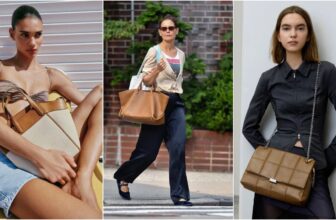
When considering what women judge about your outfit, designer bags and prominent logos are often part of the conversation. The question is not necessarily whether the bag is expensive or genuine.
It may be whether the entire look relies too heavily on brand names to communicate status.
Wearing logos from head to toe can work in certain fashion settings, but it may appear out of place in situations that call for a more restrained approach.
 Photo Courtesy
On the other hand, a bag with a discreet logo can appeal to shoppers who value its design, craftsmanship, or usefulness without needing everyone around them to recognise the label.
This is one of the contradictions of modern luxury.
Displaying several expensive items does not automatically make an outfit look well considered. Sometimes, the clothes receive less attention than the brands printed across them.
Women who understand their personal style often choose pieces because they like them, rather than because the labels might impress someone else.
That does not mean wearing designer items is a problem.
If you love a particular bag or pair of shoes, there is no reason to leave it at home simply because another person might have an opinion.
The useful question is whether the item works with the outfit and suits the occasion.
The Athleisure Judgment
Leggings and a performance jacket make sense for a school run, a quick trip to the supermarket, or a morning walk.
The same outfit may attract different reactions at a formal dinner, a business meeting, or an event where guests are expected to dress up.
This is why context matters when discussing what women judge about your outfit.
The issue is not always whether a woman wears leggings, trainers, or casual clothing. It may be whether her outfit fits the occasion and whether she appears comfortable with her choice.
Athleisure has become a regular part of everyday dressing because many women want clothes that support busy routines.
Stretchy trousers, sports bras, oversized sweatshirts, and trainers can be practical options for women moving between errands, exercise, and other responsibilities.
However, the way these pieces are worn can influence how an outfit is received.
 Photo: Sarah Treacher
Fabric, fit, condition, and styling all play a role.
Well-fitting, well-maintained leggings may suit a casual outing, while worn fabric or poorly fitted clothing may distract from the rest of the look. The same applies to sports jackets, gym tops, and trainers.
Body image can also affect these judgments.
Research on appearance comparison has examined how clothing shapes how people assess themselves and others. Activewear can make these comparisons more noticeable because it often follows the shape of the body.
Still, price alone does not determine whether an outfit looks good.
An affordable pair of leggings can be a sensible purchase, while an expensive pair may not suit the wearer or the occasion.
When people consider what women judge about your outfit, they may notice the brand, but fit, comfort, condition, and appropriateness are just as important.
The main lesson is simple: dress for where you are going.
You do not need to wear formal clothes every day, and you do not need to spend more money to look presentable. You just need to understand the setting and choose clothes that make sense for it.
The Statement Sneaker
Sneakers have moved far beyond the gym.
The footwear now appears with jeans, skirts, dresses, tailored trousers, and even outfits worn to fashion events. For many women, choosing the right pair of sneakers is as much about personal taste as comfort.
The Adidas Samba is one example of a sneaker that gained widespread attention in recent years. After appearing on trendsetters, celebrities, and influencers, the footwear became a familiar sight on the streets.
As more people adopted the style, some early fans began looking for other options, showing how quickly a popular fashion item can move from niche favourite to everyday staple.
Sneaker trends can influence what women judge about your outfit, especially when the shoes are paired with several other popular items.
 Photo Courtesy
Someone wearing every major trend at once may seem to follow a formula rather than make independent choices. That is not always a fair conclusion, but it shows how quickly people form opinions about personal style.
An older pair of New Balance trainers, for example, can look just as good as a newer release when worn with clothes that suit the person wearing them.
The same applies to classic white sneakers, simple canvas shoes, and other designs that remain useful beyond a single season.
There is no need to abandon a pair of shoes because fashion insiders have moved on to something else.
Trends change, but a good pair of sneakers can remain useful for years. What matters is whether the shoes are comfortable, in good condition, and suitable for the outfit.
Personal style is not about buying every item that becomes popular.
It is about knowing what works for you and wearing it because you like it. If you enjoy the Sambas, wear them. If you prefer an older pair of trainers, there is no reason to replace them just to keep up with a trend.
The Roots of the Gaze: Competition, Comparison, and Survival
Why do women sometimes scrutinise each other’s outfits so closely?
There is no single explanation, and it would be unfair to assume that every woman sees another woman’s appearance as a competition.
However, research into fashion, social comparison, and female relationships offers some insight into why these judgments happen.
A study involving Turkish women in shopping malls explored how women observe one another while shopping and moving through public spaces.
Participants described noticing other women’s clothes, considering where certain items came from, and comparing how particular styles looked on different people.
The researchers discussed this behaviour as part of a wider process through which women assess their own appearance and their place within social expectations.
These comparisons can happen without a conscious decision to judge anyone.
A woman may see another person wearing a top she likes and wonder where it was purchased.
She may notice a hairstyle she wants to try or compare the fit of two similar dresses. In other situations, the comparison may trigger insecurity, envy, or a sense of competition.
This helps explain why what women judge about your outfit can sometimes have little to do with the actual quality of your clothes. The reaction may reflect the observer’s own preferences, experiences, or concerns about how she looks.
Evolutionary psychology offers another explanation for some forms of appearance-based judgment.
A 2021 study published in Personality and Individual Differences examined how women respond to other women wearing clothing that reveals more of the body.
The research explored whether perceptions of sexual competition influenced these reactions.
Other research, including doctoral work on clothing and social perceptions, has found that people may associate revealing outfits with qualities such as attractiveness, femininity, flirtatiousness, or promiscuity.
 Photo: Instagram/jariatudanita
Some observers may also make negative assumptions about trustworthiness, intelligence, or personality based on how much skin someone shows.
These findings do not mean that such assumptions are accurate.
They demonstrate how clothing can trigger stereotypes that have little connection to a person’s actual character. A short dress does not reveal whether someone is intelligent, trustworthy, serious about relationships, or capable at work.
The key distinction is between noticing an outfit and assuming things about the person wearing it. Women, like everyone else, can recognise a particular style without deciding that it defines the wearer’s values or behaviour.
Fashion can become a way of expressing identity, but it can also become a tool for measuring people against personal or social standards.
Recognising this difference helps explain why judgments about clothing can be so personal, even when the people involved have never spoken to one another.
The Respectability Politics of It All
For Black women, judgments about appearance can carry additional pressure.
Sociologists use the term respectability politics to describe the expectation that people from marginalised communities should present themselves according to standards considered acceptable by a more powerful or dominant group.
This pressure can affect clothing, hairstyles, makeup, body language, and decisions about when to dress formally.
Black women may feel that their appearance is being treated as a reflection not only of themselves but also of their families, communities, or wider racial group.
Online discussions have highlighted situations in which Black women are criticised for wearing casual clothing in settings where women from other racial backgrounds appear to face less scrutiny for similar choices.
In some accounts, the criticism comes from older members of the same community who believe that dressing a particular way shows respect, discipline, or awareness of the setting.
These experiences reveal how what women judge about your outfit can be influenced by expectations that extend beyond fashion.
A pair of jeans, a natural hairstyle, or a short dress may be interpreted differently depending on the observer, the occasion, and the social background of the people involved.
For some women, these standards are connected to genuine concerns about presentation in professional or formal settings. For others, they can create unnecessary pressure to look a certain way at all times.
 Photo: Instagram/emmanuellek_
The problem arises when personal preferences are treated as universal rules or when one woman’s clothing becomes an excuse to question her values.
Fashion judgments are rarely neutral.
Race, class, age, workplace expectations, and cultural traditions can all shape how people interpret an outfit.
In African communities, for example, expectations around modesty, traditional clothing, family events, church attendance, and professional dressing can vary widely between households and generations.
A woman attending a traditional wedding may be expected to dress differently from someone going to a beach party or a casual lunch. These differences are not automatically restrictive.
They become a problem when people use them to shame others rather than recognise that clothing choices can reflect different needs, tastes, and circumstances.
Understanding these pressures does not mean ignoring the importance of dressing appropriately.
It means recognising that the standards applied to women are not always consistent and that no single outfit can represent an entire community.
The Full List: What Women Notice
Research, surveys, and everyday fashion conversations point to several details that can attract attention when one woman evaluates another woman’s appearance.
These observations are not universal rules, and not every woman notices the same things. Still, they help explain what women judge about your outfit during a first meeting or a social occasion.
-
The Bag
A handbag can attract attention because it is both a practical item and a visible part of an outfit. Some women notice the brand, shape, colour, condition, and size.
Others are more interested in whether the bag suits the clothes or seems useful for the occasion.
A designer label may catch someone’s eye, but an affordable bag can look just as appropriate when it is well cared for and works with the rest of the outfit.
-
The Shoes
Shoes often influence the overall impression of an outfit.
Heels may suit a formal event, office setting, or evening occasion, while trainers may be more suitable for walking around town or running errands.
Women may notice whether the shoes are clean, comfortable-looking, and appropriate for the setting.
However, choosing flats instead of heels does not say anything definite about a woman’s personality, career, or lifestyle.
-
Hair Cleanliness and Roots
Hair is another detail that can draw attention.
Women may notice the cut, colour, styling, and condition of another person’s hair.
Visible roots are sometimes noticed when someone colours their hair, but they are not automatically a fashion mistake.
Some women prefer regular salon appointments, while others deliberately wear their natural roots or choose low-maintenance styles. Healthy-looking hair and a style that suits the wearer matter more than following one standard of grooming.
-
Makeup Application
Foundation that does not match the skin tone, uneven eyeliner, or makeup that has worn away during the day may be noticeable.
Women who enjoy beauty products may pay particular attention to these details because they are familiar with different techniques and finishes.
That does not mean every makeup look needs to be flawless. A simple routine, a bold lip, or a bare face can all work, depending on personal preference and the occasion.
-
The Outfit’s Effort Level
Some people notice whether an outfit appears planned or thrown together.
This does not mean every woman must spend an hour getting dressed. Clean clothes, suitable fit, and a little attention to the occasion can be enough.
The question is often whether the outfit feels right for the person wearing it, rather than whether it follows a complicated styling formula.
 Photo: Instagram/nnennaechem
-
The Price Tag Signal
Prominent logos, designer accessories, and expensive-looking items may lead people to wonder whether an outfit is intended to communicate wealth.
This is one reason brand-heavy dressing can attract mixed reactions.
However, it is impossible to know someone’s intentions from their clothes alone. A woman may wear a designer bag because she likes its shape, received it as a gift, or saved for it over several months.
-
The Fit of the Clothes
Fit can affect how comfortable and appropriate an outfit looks.
Trousers that are too long, a jacket that pulls at the shoulders, or a dress that needs constant adjustment may distract from the overall appearance.
The right fit does not mean wearing tight clothing or following a particular body ideal. It means choosing clothes that allow you to move comfortably and feel at ease.
-
The Condition of the Outfit
Stains, loose threads, missing buttons, and badly damaged shoes can be more noticeable than the price or label of an item.
Regular care can help clothes last longer and make everyday outfits look more considered.
Still, a worn item is not automatically a sign of poor taste or carelessness. People have different budgets, priorities, and reasons for wearing what they own.
The Choice of Colour
Some women notice how colours work together, whether an outfit is coordinated, and whether the wearer has chosen shades that suit her taste.
Others prefer bright contrasts, unusual combinations, or a wardrobe built around neutral colours.
There is no single correct approach.
Colour choices are personal, and an outfit does not need to follow every rule found in a fashion guide.
-
The Occasion
Perhaps the most useful detail is whether the clothes suit the place and activity. A wedding, job interview, office meeting, family gathering, and casual outing may each call for different choices.
Dressing for the setting can help you feel prepared without requiring a new wardrobe. It also gives you a practical way to decide what to wear instead of worrying about every possible opinion.
Why This Matters (And Why It Doesn’t Have To)
Silent judgments about women’s outfits are part of everyday social life.
They can arise from personal taste, insecurity, social expectations, competition, and the pressure to meet ideas about how women should look.
Understanding what women judge about your outfit can help you recognise these patterns, but it should not turn getting dressed into a daily test.
You cannot control every impression another person forms.
Someone may dislike your shoes, prefer a different hairstyle, or believe your outfit is too casual.
Another woman may admire the same look. Both reactions can exist at the same time, and neither one determines whether your clothes are right for you.
The person judging your outfit is not automatically an authority on style.
Her opinion may be informed by years of fashion experience, but it may also be shaped by personal preferences or assumptions. The same is true of your own judgments about other people’s clothes.
The goal is not to ignore every useful observation.
If you are preparing for a job interview, attending a formal event, or dressing for a particular cultural occasion, it makes sense to consider the setting.
Advice from someone you trust can also help you find clothes that fit well, suit your needs, and make you feel comfortable.
However, there is a difference between dressing with care and dressing out of fear.
You do not need to buy expensive handbags, replace your favourite sneakers, or change your hairstyle just because someone else might have an opinion.
You can take care of your clothes, pay attention to fit, and still make choices that reflect your personality.
Ultimately, what women judge about your outfit often reveals as much about their expectations of fashion as it does about the person wearing the clothes.
One woman may see a particular bag as a sign of wealth, while another sees it as a practical accessory.
A revealing dress may be viewed as confident by one observer and inappropriate by another. Their reactions are shaped by different experiences and beliefs.
One of the most useful things you can do is decide what matters to you.
Do you want to feel comfortable? Do you enjoy experimenting with trends? Do you need clothes that work for a busy schedule or professional life?
Are you dressing for an event with a specific dress code? These questions offer a more helpful starting point than trying to predict what every woman in the room will think.
Style becomes easier to manage when it serves your life rather than controlling it.
Wear the shoes you enjoy, choose clothes that suit your body and routine, and pay attention to the occasions that matter to you. Other people’s opinions may still exist, but they do not have to determine your choices.
The silent verdict will not disappear.
People will continue to notice clothing, compare styles, and form impressions. But you do not have to live according to every unspoken rule.
Looking presentable is useful; feeling that you must satisfy everyone is exhausting.
The best approach is to understand the expectations around you, make thoughtful decisions, and remember that your outfit is only one part of who you are.
Photo: Launchmetrics
You May Also Like:
19 Nigerian Female Fashion Influencers To Follow Now

The Best Dressed African Celebrities Of November
Must Every Woman Own a Cocktail Dress?

The Best Dressed African Celebrities Of August
Kim Kardashian's Skims Just Launched Shapewear For Your Face
20 African Female Designers To Look Out For In 2024
Gorgeous Formal Dresses For Plus-Size Women — A Complete Guide

Jennifer Lopez Smolders In Her Lingerie Collection Collab With Intimissimi
15 Best Lifting Bras That Will Keep Your Breast Standing Tall

Beyonce Shares Chic Twinning Photos With Blue Ivy From London Renaissance Tour

Popilush Dress: Let More Women Regain Their Confidence

8 Must Try New Year Party Dress


Esther Ejoh is a Fashion Editor at Fashion Police Nigeria, where she writes all things fashion, beauty, and celebrity style, with a sharp eye and an even sharper pen. She’s the girl who’ll break down a Met Gala look one minute, rave about a Nigerian beauty brand the next, and still find time to binge a movie or get lost in a novel. Style, storytelling, and self-care? That’s her holy trinity.