Published: May 21, 2026 Last Updated 5 months ago by Evelyn Adenike
With each passing season, digital beauty spaces cycle through a familiar debate, but the conversation surrounding Afro-textured hair has reached a critical turning point.
This latest shift erupted when a TikTok creator named Sharon posted a viral video confronting Black women with a sharp observation: “When was the last time you left the house wearing your natural hair out? You treat your wig with the care your natural hair deserves,” Sharon argued that many women take good care of their hair extensions while completely concealing the strands growing from their own heads.
The video triggered an immediate outburst across the community. While some viewers accused Sharon of policing Black women, prominent creators and beauty editors quickly stepped in to defend her, admitting that the community needed to dismantle the deeper reasons behind constantly “hiding” their real texture.
This heated debate exposes a major contradiction in modern grooming. For years, the dominant narrative defended the reliance on wigs and frontals as a matter of simple convenience. Yet, the actual process of installing a modern wig is a highly demanding process that requires layers of glue, melting bands, and meticulous plucking just to mimic a real scalp.
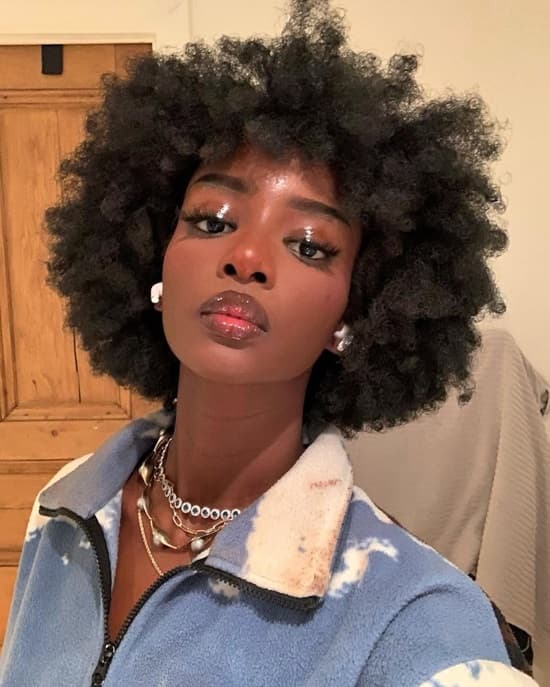 Photo: Instagram/@afroprincesses
 To claim that a basic wash routine for natural hair is too much work, while spending hours on the complex architecture of a lace installation, reveals a glaring double standard.
Wigs have ceased to be a simple shortcut; they have become an alternative, exhausting standard of appearance that often receives the time, patience, and money that the natural scalp actually deserves.
This community uproar is the true anchor of what we might be witnessing soon: the beginning of Natural Hair Movement 3.0. This new era, sparked by raw digital conversations and articles like the recent Allure report, refuses to accept the passive concealment of natural hair under the guise of protective styling.
The cultural conversation is finally moving past superficial arguments about styling choices. Instead, it is forcing an honest look at why the beauty industry has taught women to take better care of hair extensions than their textured hair.
The Corporate U-Turn: How Movement 2.0 Failed Tightly Coiled Textures
To understand why this new resistance is happening, it helps to look at how the 2010s natural hair movement collapsed. That previous wave, which peaked on YouTube around 2016, started with great enthusiasm.
Creators built communities by teaching women how to transition from chemical relaxers, build simple deep-conditioning routines, and handle their own textures. For a moment, natural hair care felt like the ultimate celebration of self-love.
However, the movement stalled when corporate beauty brands stepped in to commercialise the trend. As major companies rushed to profit from natural hair products, their marketing changed. Advertising campaigns began placing women with looser, highly defined curls at the front of the movement.
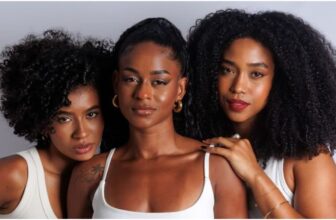
 Photo: Instagram/@olovesuuu
 Tightly coiled Type 4 textures, the very women who built the foundation of the movement, were pushed to the sidelines. Confusing curl charts made people miscategorise their hair, while product labels falsely promised that a single cream could turn a kinky coil into a loose ringlet.
When these products failed to change how Type 4 hair naturally behaves, women grew deeply frustrated. This fatigue was not the fault of natural hair, but the result of false expectations. Consumers grew tired of trying to chase an unrealistic standard of neatness; with studies tracking hair texture dissatisfaction showing that when women are pressured to chase these unrepresentative standards of curl definition, frustration inevitably follows.
This disappointment drove millions of women away from their real hair and straight into the multi-billion-dollar wig economy, which offered an immediate, uniform look that society easily accepted.
The Psychological and Generational Cost of Concealment
Using wigs as a permanent shield has created a real physical and emotional disconnect from the scalp.
 Photo: Instagram/@hermanthaladouceur
 When a woman treats her natural hair as nothing more than a base to be cornrowed down, hidden, and ignored, she subconsciously internalises the idea that her real hair is not good enough. This routine reinforces the old, painful bias that natural textures are inherently messy, unprofessional, or unsuited for special occasions and professional success.
The habit carries a high cost for the next generation. When young girls grow up watching the women in their lives constantly conceal their real hair, they inherit that same sense of textural discomfort.
The issue is no longer just about passing down practical styling skills. It is about accidentally teaching children that tightly coiled hair must be covered up to be considered beautiful or respectable.
 Photo: Instagram/@gloryokings
 However, a critical line must be drawn here: this critique does not apply to women using wigs to manage actual medical conditions. For those dealing with alopecia, hair thinning, or follicular damage, wigs and extensions are essential, protective resources.
The current movement is not shaming anyone for hair loss. Instead, it is targeting the social pressure that makes healthy-haired women hide their real texture simply because they have been taught to dislike their natural identity.
The Blueprint of Movement 3.0: Health and True Freedom
Natural Hair Movement 3.0 fixes the mistakes of the past by shifting the focus from perfect styles to basic science. The previous era wasted too much time trying to achieve perfect curl definition and fighting with curl charts.
The 2026 natural hair movement bypasses those visual traps entirely, prioritising real hair health over consumer trends. The new conversation centres on clear, measurable metrics: hair porosity, density, and scalp care.
 Photo: Instagram/@jackieaina
 This shift changes the role of hair professionals. Hairstylists are moving away from just selling trends to becoming educators who teach clients how their hair actually functions. By understanding how a specific hair porosity absorbs moisture, women can build short, predictable care routines. This practical knowledge removes the guesswork and eliminates the exhaustion that stopped the previous movement.
The ultimate goal of Natural Hair Movement 3.0 is true hair freedom. True liberation does not mean throwing away your wigs or completely banning straight styles. Rather, it means that choosing to wear a wig is a fun, creative choice rather than a mandatory shield.
The movement ensures that when the lace glue is washed away, the natural hair underneath is held in the highest regard, treated with patience, and recognised as entirely beautiful on its own terms.
Photo: Instagram/@cherrychy_
You May Also Like:
Crimped Hair Is Back, But It Looks Nothing Like the Version You Remember
October 2, 2026The Gamine Pixie is Giving the Classic Crop a Softer, More Modern Update
September 29, 2026Hair Mistakes That Can Make an Expensive Hairstyle Look Basic
September 24, 2026Why Does Getting Your Hair Done Feel Like a Reset Button?
September 21, 2026The Celebrity Hair Transformations Nobody Saw Coming in 2026
September 21, 2026The New Hair Goal Is Fullness, Not Just Length
September 17, 2026Frontal Hairstyle Trends: When Does It End?
September 14, 2026Is Long Hair Still the Ultimate Beauty Standard?
September 9, 2026Are Heatless Curls Actually Better for Your Hair?
September 8, 2026Miss America 2027 Regan Hutsell Makes History as First Winner Crowned in Natural Hair
September 8, 2026Are We Entering the Era of the Low-Effort Hairstyle?
September 2, 20267 Celebrities Who Sparked My Strong Affection for Pink Hair
August 28, 2026


Evelyn Adenike is an Associate Beauty Editor at Fashion Police Nigeria, where she covers all things beauty, from the glossiest nail trends to the best skincare finds. With a soft spot for storytelling and an eye for what’s fresh, she brings creativity and just the right dash of drama to every post. If it’s bold, beautiful, and blog-worthy, Evelyn’s probably already writing about it.