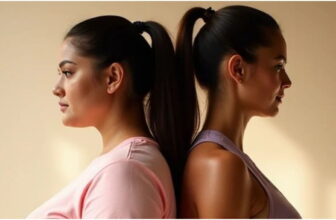
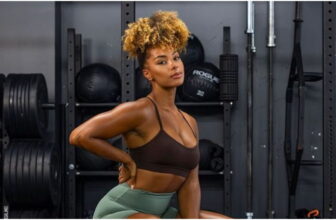
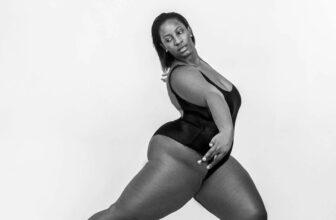
Have you ever looked in the mirror after losing weight and felt like something about your appearance had changed beyond the numbers on the scale?
Maybe your face looks more defined, your clothes fit differently, or you simply feel more comfortable in your own skin.
For some people, the change is noticeable almost immediately. For others, it takes a while to recognise just how different they look.
But why do we think we look better after losing weight? Is it the physical change itself, the way our clothes fit, the confidence we begin to carry, or the way we perceive ourselves?
The answer is not as simple as a smaller waistline or a slimmer face. Weight loss can affect several aspects of our appearance, from facial definition and body proportions to posture and self-perception.
At the same time, personal experiences, social expectations, and how we feel about our bodies shape our ideas about attractiveness.
Understanding why we look better after losing weight means looking beyond the scale.
It means exploring the physical changes that happen during weight loss, the psychological effects of seeing those changes, and why the experience can feel so different from one person to another.
 Photo Courtesy
 The question of why we look better after losing weight, therefore, goes beyond physical appearance.
It asks us to examine how beauty standards shape our self-image, why compliments can change the way we see ourselves, and how the desire to look a certain way becomes connected to confidence and acceptance.
Transformation stories, before-and-after photographs, and weight-loss testimonials have reinforced this idea for decades. The “before” image is often presented as a problem, while the “after” is framed as a success story.
The difference rarely stops at body size. The person in the after photo is frequently portrayed as happier, healthier, more confident, and more attractive.
Over time, these repeated messages can influence how we judge our own appearance. Research on thin-ideal internalisation has explored how exposure to and acceptance of narrow beauty standards relate to body dissatisfaction.
A study published in Psychology of Addictive Behaviors, available through PubMed, found a relationship between internalising the thin ideal and dissatisfaction with one’s body.
This does not mean that people who feel more attractive after losing weight are imagining the change. Their feelings may be genuine, and their appearance may have changed in ways they personally appreciate.
However, understanding why we look better after losing weight requires recognising that our perception of beauty is influenced by much more than the number on a scale.
The Cultural Concept of Thinness as Beauty
For decades, Western beauty standards have favoured thinner body types, particularly for women.
Through fashion magazines, advertising campaigns, television, celebrity culture, and social media, slimness has often been presented as the ideal.
As these images spread worldwide, they have influenced how people understand beauty and evaluate their own appearance.
Before-and-after photographs clearly show how this message is reinforced. The earlier image is often associated with dissatisfaction, while the smaller body in the second image is presented as a sign of success.
The transformation is framed as an improvement, even when the person’s facial features, personal style, or overall appearance have not changed dramatically.
This repeated exposure can shape the way people assess themselves.
A smaller waist, a more defined jawline, or a less rounded face may trigger a familiar response: the person now looks closer to the beauty ideal they have seen for years.
 Photo Courtesy
 Research into the thin beauty ideal suggests that these associations can influence attractiveness judgments.
A study published in the International Journal of Eating Disorders examined how exposure to different body types influenced women’s evaluations of attractiveness and desirability.
The findings showed that consciously viewing body images could influence these judgments, particularly among individuals who had internalized the thin ideal. The study is available through Wiley Online Library.
This helps explain why “looking better after losing weight” may feel like an obvious conclusion to some people.
When a person becomes closer to the body type they have been taught to admire, the change may feel like a personal aesthetic improvement. Yet that response is also influenced by the standards they have absorbed over time.
Social Feedback and the Reality of Differential Treatment
One of the most noticeable changes people experience after losing weight may have less to do with the mirror and more to do with the people around them.
Some individuals report receiving more compliments, greater romantic attention, friendlier interactions, or different treatment in professional and social settings after losing weight.
These experiences can be confusing, especially when the person’s personality, skills, and values have remained the same.
This phenomenon is often discussed in relation to weight stigma and what is commonly called “thin privilege.”
People perceived as closer to conventional beauty standards may receive more favorable treatment, while people in larger bodies can face unfair assumptions about their health, habits, or character.
Research published in the journal Obesity examined stigma directed at people with different weight histories.
The findings showed that weight-related stigma can persist even after substantial weight loss.
 Photo Courtesy
 Compliments can also reinforce the belief that weight loss has improved someone’s appearance.
Hearing phrases such as “You look amazing” or “Have you lost weight?” repeatedly may encourage a person to associate their smaller body with greater attractiveness and social acceptance.
This feedback can become part of how they see themselves. When others respond more positively to a physical change, it may influence their sense of attractiveness, even as they adjust to their new appearance.
Understanding why we look better after losing weight means recognizing that social responses can shape self-perception.
Sometimes, how we feel about our appearance changes not only because of what we see in the mirror, but also because of how the world responds to us.
Facial Changes and Rapid Visual Judgments
The face plays a major role in how we recognise ourselves and how others perceive us. Even relatively small changes in facial appearance can make a person feel noticeably different.
Weight loss can affect facial fullness, particularly around the cheeks, jawline, and chin.
For some people, these changes create more defined contours that they personally find attractive. A fuller face may become slimmer, or the jawline may appear more pronounced.
Because the face is visible in everyday interactions, these changes can quickly attract attention. Someone may notice a difference in photographs, while friends and family may comment on a more defined facial structure.
However, facial changes following weight loss are not always experienced positively.
Some people notice increased facial hollowness, more visible lines, or a loss of volume that makes them feel older. The outcome depends on factors such as age, genetics, the amount of weight lost, and individual facial structure.
This helps explain why we look better after losing weight. No single facial outcome applies to everyone, and a change in facial shape does not automatically translate into greater attractiveness.
The way someone evaluates these changes is also influenced by their personal preferences and the beauty standards they have internalised.
What one person considers a flattering transformation may feel unfamiliar or undesirable to someone else.
 Photo Courtesy
 Weight loss can involve sustained effort, changes in daily habits, and a commitment to personal goals.
For people who have worked towards a particular outcome, reaching a milestone can bring a strong sense of accomplishment.
That feeling may influence how they view their appearance.
Someone who has spent months building healthier routines may feel proud when they notice changes in their body. Clothes fitting differently, improved mobility, or reaching a personal goal can become reminders of their effort and commitment.
This sense of achievement can contribute to greater confidence.
When people feel proud of themselves, they may carry themselves differently, become more comfortable in social settings, or feel more willing to participate in activities they previously avoided.
These emotional changes can affect how they perceive their appearance. Looking in the mirror may become associated with pride, progress, and personal satisfaction.
However, confidence and physical appearance are not the same thing. A person can feel more confident without losing weight, just as someone can lose weight and still struggle with insecurity.
The belief that we look better after losing weight can become complicated when appearance is treated as the main reward for personal effort.
If someone’s confidence depends entirely on maintaining a particular body size, normal weight fluctuations may begin to feel like personal failures.
A more balanced perspective helps people appreciate their progress without tying their self-worth to the number on the scale.
The Limits and Complications of the Perception
Although many people feel more attractive after losing weight, the experience is not universal.
Weight loss does not guarantee improved body satisfaction, and the emotional effects can be more complicated than expected.
Some people experience what is commonly described as body image lag.
Even after their bodies change, their mental image of themselves may take longer to adjust. They may continue to see their former body when looking in the mirror or struggle to recognise the physical changes others notice.
Others may feel disappointed by loose skin, changes in facial volume, or a body shape that differs from what they expected. These experiences can make it difficult to feel comfortable in a smaller body, even when the weight loss was intentional.
Research also shows that weight loss does not necessarily eliminate weight-related stigma. A study on residual obesity stigma found that people who had lost weight could still face negative judgments related to their weight history.
The findings highlight how deeply weight-based assumptions can influence perceptions of attractiveness and social value.
This is why the idea that we look better after losing weight deserves a closer examination.
Physical changes may influence appearance, but they do not automatically resolve dissatisfaction, insecurity, or negative experiences associated with body image.
People also often treat health and appearance as interchangeable.
Someone who feels more energetic, sleeps better, or experiences improved mobility after changing their habits may interpret the overall improvement in their well-being as looking better.
Although physical health and appearance can be related, they are not identical. Appearance alone cannot determine a person’s health, and body size does not tell the full story of physical well-being.
Media, Comparison and the Maintenance of the Ideal
Social media has made it easier than ever to compare our bodies with others.
From celebrity transformation photos to fitness content and carefully edited lifestyle images, digital platforms constantly expose users to appearance-related messages.
These images can influence what people consider attractive, desirable, or normal.
When a person loses weight and begins to resemble the body types frequently celebrated online, they may feel that their appearance has improved.
Before-and-after content can be especially influential because it directly compares two versions of the same person.
The earlier image becomes a reference point for what they no longer want to look like, while the newer image represents the desired outcome.
However, these comparisons rarely account for the full picture. Lighting, camera angles, clothing, posing, editing, and facial expressions can all affect how a person looks in a photograph.
Research on media exposure and the thin beauty ideal has examined how these images influence body dissatisfaction and attractiveness judgments.
The findings suggest that consciously viewing idealised body images can shape how people evaluate appearance, particularly when they have already internalised narrow beauty standards.
The comparison does not always end when someone reaches their desired weight. They may begin comparing themselves with people who are thinner, more muscular, or closer to another beauty ideal.
This can create a cycle in which satisfaction remains temporary.
Instead of feeling comfortable with their appearance, individuals may continue looking for another change that promises greater confidence or acceptance.
Understanding why we look better after losing weight also means understanding how comparison shapes how we judge our bodies. Sometimes, the standard we are trying to meet keeps changing.
 Photo Courtesy
 Several overlapping influences shape the belief that we look better after losing weight.
Cultural beauty standards encourage people to associate thinness with attractiveness, social feedback can reinforce that association, and physical changes may influence how someone feels about their appearance.
Psychological rewards from reaching personal goals can also boost confidence, while social media and comparison continue to shape expectations about what an attractive body should look like.
Recognising these influences does not mean dismissing the experiences of people who genuinely prefer their appearance after losing weight. Their feelings are valid, and changes in body shape can affect personal style, comfort, and self-perception.
However, it is equally important to recognize that attractiveness is not limited to one body size. People can be attractive, confident, healthy, and fulfilled at different weights.
The question of why we look better after losing weight is therefore not simply about what happens to the body. It is also about the meaning society attaches to those changes.
When someone loses weight and begins to feel more attractive, that feeling may reflect a combination of physical transformation, personal achievement, and positive social feedback. But it may also reveal how strongly cultural expectations have shaped their understanding of beauty.
Ultimately, a person’s worth does not increase or decrease with their weight.
Understanding the relationship between weight loss, beauty standards, and self-perception allows us to approach appearance with greater awareness and compassion.
The mirror may seem kinder after weight loss, and the feeling may be genuine.
But beauty is not a fixed measurement, and no single body type should determine how deserving someone is of confidence, respect, or acceptance.
Photo Courtesy
You May Also Like:

Ozempic Face, Hair Loss, and Body Changes: Why Women Are Talking About These GLP-1 Side Effects
How My Workout Wardrobe Inspire My Fitness Habit

The Best Exercises to Try in 2026 for Realistic Fitness Goals
Why You Should Include Tai Chi Walking in Your Fitness Regimen
Kim Kardashian's SKIMS and Nike Unveil a Collection Featuring Serena Williams and Other Female Athle...

Serena Williams Gets Real About Her Weight Loss Journey With The GPL-1 Drugs

The Best Workout Ideas to Kickstart the New Year

Find Your Balance: How Often Should You Exercise?

10 Ways to Reach Fitness Goals This Year

11 Exercises To Help Sculpt Your Body Like a Pro

Why You Should Try The CorePower Yoga

Essential Yoga Poses for Optimal Mind-Body Connection


Esther Ejoh is a Fashion Editor at Fashion Police Nigeria, where she writes all things fashion, beauty, and celebrity style, with a sharp eye and an even sharper pen. She’s the girl who’ll break down a Met Gala look one minute, rave about a Nigerian beauty brand the next, and still find time to binge a movie or get lost in a novel. Style, storytelling, and self-care? That’s her holy trinity.