Published: April 16, 2026 Last Updated 6 months ago by Esther Ejoh
Many people face overflowing closets yet feel they have nothing to wear. Outfits often disappoint, fit is inconsistent, and trends remain unworn. The issue is not a lack of fashion sense but buying the wrong pieces.
This challenge often results from impulse buying, following trends, poor fit, and shopping without considering body shape, lifestyle, color palette, or personal style.
By moving from impulsive to intentional shopping, you can transform your wardrobe, save money, boost confidence, and create outfits that truly reflect you without a complete overhaul or constant new purchases.
This guide explains why mismatched closets are common and provides practical steps to avoid buying the wrong pieces. By focusing on fit, versatility, lifestyle needs, and self-awareness, you can curate a wardrobe that makes getting dressed enjoyable and stress-free.
Why You Keep Buying the Wrong Pieces
The root causes are common. Many shoppers are drawn to discounted items that appear appealing in stores or on influencers but do not suit their body, lifestyle, or existing wardrobe. Others purchase trends without considering practicality, resulting in pieces that do not coordinate with other items. Common pitfalls include:
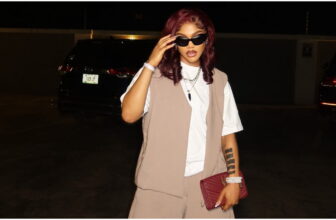
 Photo: Instagram/prettytye_
 - Ignoring Fit Over Size: A garment in your “size” can still be too tight, too loose, or poorly proportioned. Ill-fitting clothes create lumps, gaps, or unflattering lines that make even expensive outfits look cheap.
- Shopping Without Context: Buying separates in isolation without checking what you already own leads to mismatched colors, fabrics, or silhouettes.
- Following Trends Blindly: Trendy items often lack longevity or versatility for real-life, office days, school runs, or casual weekends.
- Emotional or Impulse Buying: Shopping when rushed, bored, or stressed results in regretful purchases that sit unworn.
- Neglecting Body Shape and Proportions: What looks amazing on a model or friend may not flatter your unique shape, whether you’re pear, hourglass, rectangle, inverted triangle, or apple.
These mistakes create a cycle of a full closet, ongoing dissatisfaction, and repeated shopping. Breaking this pattern begins with self-awareness, not additional purchases.
Understand Your Body Shape and Proportions
Knowing your body shape is foundational. Common shapes include:
- Hourglass: Balanced bust and hips with a defined waist — emphasize curves with fitted tops and A-line or wrap styles.
- Pear: Wider hips and thighs with narrower shoulders — balance with structured tops, boat necks, or A-line skirts that add volume on top.
- Apple: Fuller midsection with slimmer legs — opt for empire waists, V-necks, and flowy fabrics that skim rather than cling.
- Rectangle: Straight up-and-down figure — create curves with peplums, belts, or layered textures.
- Inverted Triangle: Broader shoulders with narrower hips — add volume to the lower body with wide-leg pants or full skirts.
 Photo Courtesy
 Beyond overall shape, assess your proportions, such as long torso versus long legs or short versus long waist. For example, a long torso pairs well with high-rise bottoms and cropped tops, while short legs appear longer in monochromatic outfits or with pointed-toe shoes.
Measure key areas, shoulders, bust, waist, and hips, and note where clothing typically feels uncomfortable. This understanding helps you avoid purchasing items that do not complement your natural silhouette.
Define Your Lifestyle and Personal Style
Consider your daily activities, such as office work, remote meetings, school runs, workouts, or weekend outings. Your wardrobe should reflect and prioritize these routines. Adopting a capsule approach by focusing on versatile basics that mix and match across occasions can be effective.
 Photo Courtesy
 Next, identify your style essence or personality. Review outfits you have enjoyed wearing or reference inspiration boards that resonate with you. Avoid imitating influencers whose lifestyles or body types differ from yours. Instead, adapt style ideas to suit your needs.
Build a color palette based on your skin undertone, whether warm, cool, or neutral. Focus primarily on flattering neutrals and two to three accent colors that enhance your confidence. This approach creates cohesion while allowing for creativity.
Shop Smarter
- Always Try Before You Buy: Fit is non-negotiable. Move, sit, and raise your arms in the fitting room. Check for gaping, pulling, or bunching.
- Buy Outfits, Not Isolated Pieces: When considering a new item, ensure it pairs with at least three existing pieces in your closet. If it does not coordinate, do not purchase it.
- Prioritize Versatility and Cost-Per-Wear: Select timeless silhouettes instead of fleeting trends. Consider how often you will wear each item; a quality blazer worn frequently is more valuable than a trendy top worn only a few times.
- Focus on Quality Basics First: Prioritize foundational items such as well-fitting jeans, a crisp white shirt, versatile trousers, a quality blazer, and comfortable shoes. These pieces form the basis of your wardrobe.
 Photo: Instagram/prettytye_
 - Sort out ruthlessly: Regularly sort out your closet. Remove items that do not fit, do not flatter, or do not suit your current lifestyle. Donate, sell, or repurpose these pieces to create space for better options.
Practical Fixes and Mindset Shifts
- Tailoring on a Budget: Many alterations (hemming pants, taking in waists) are affordable and transform “okay” pieces into perfect ones.
- Layering and Accessories: Use accessories to enhance basic pieces without purchasing new clothing. For example, a belt can define the waist, a scarf can add color, and statement earrings can update your look.
- Stop the “One Day” Mentality: Avoid purchasing items for an imagined future. Shop for your current lifestyle.
- Create a Shopping List: Before shopping in-store or online, identify specific gaps in your wardrobe, such as “black wide-leg trousers that fit my pear shape.” Adhere to this list.
- Embrace Slow Fashion Habits: Rotate pieces, air them out instead of over-washing, and store properly to make what you own last longer.
 Photo Courtesy
 Transformation occurs when you stop seeking perfection in every purchase and focus on building a wardrobe that meets your needs. Many people report increased confidence and reduced spending after consistently applying these principles.
You are not lacking in fashion sense; you have simply been shopping without a clear strategy. By understanding your body, lifestyle, and personal style, prioritizing fit and versatility, and shopping intentionally, you will create outfits that are both effortless and polished. The result is a closet filled with pieces you love and wear, fewer regrets, and greater savings.
Begin with a closet audit. Remove items you rarely wear and consider the reasons. Use these insights to inform future purchases. Over time, dressing will become enjoyable rather than frustrating.
Fashion is not about owning the most clothes; it is about having the right ones. Stop buying the wrong pieces and focus on building a wardrobe that reflects and supports your best self.
Photo Courtesy
You May Also Like:
The 2026 Victoria’s Secret Fashion Show is Happening: Here’s Everything You Need to Know
October 14, 2026Are We Done With Oversized Clothes?
October 12, 2026Who is Rachel Ojuromi, the Lagos Street Model who Walked the Chanel SS27 Show?
October 6, 2026Chanel SS 2027 Collection: A Fresh Flight Through Heritage and Freedom
October 6, 2026The Unexpected Colour Combination Taking Over 2026 Fashion
October 5, 2026Tom Ford Spring 2027 Pushes Seduction Closer to Danger
October 1, 2026Saint Laurent SS27 Delivered Golden Decade Celebration Under the Eiffel Tower
September 30, 2026Dior Spring/Summer 2027 Finds Romance in Nature’s Imperfections
September 30, 2026Kendall Jenner Opened L’Oréal Paris Runway Show in Sheer Black Dress
September 29, 2026Bottega Veneta’s Spring/Summer 2027 Show is About the Enduring Power of Craft
September 27, 2026Fendi Reclaims Body-Conscious Dressing with Freedom, Sensuality, and Italian Flair
September 24, 2026Burberry Spring 2027: Joyful Florals and a Modern Approach to the Iconic Trench
September 22, 2026


Esther Ejoh is a Fashion Editor at Fashion Police Nigeria, where she writes all things fashion, beauty, and celebrity style, with a sharp eye and an even sharper pen. She’s the girl who’ll break down a Met Gala look one minute, rave about a Nigerian beauty brand the next, and still find time to binge a movie or get lost in a novel. Style, storytelling, and self-care? That’s her holy trinity.