Published: April 14, 2026 Last Updated 6 months ago by FPN SEO
In today’s digital age, fashion is more than fabric; it is a visible expression of emotion. Consider a young woman in a café, posting her latest outfit. Her oversized blazer offers comfort after a breakup, while a red scarf projects the confidence she aspires to.
While social media engagement provides validation, the most significant impact is the internal transformation she experiences when she sees herself evolving through her clothing choices.
In the era of Instagram Reels and TikTok hauls, fashion is not only seen but also felt. It evokes nostalgia through vintage pieces, brings joy with vibrant colors, and can ease anxiety with comfortable silhouettes.
The emotional side of fashion reveals how clothing shapes identity, resilience, and human connection. Clothing impacts mood, self-esteem, and even cognitive performance, as emerging research shows. This is not about following trends, but about authentic self-expression.
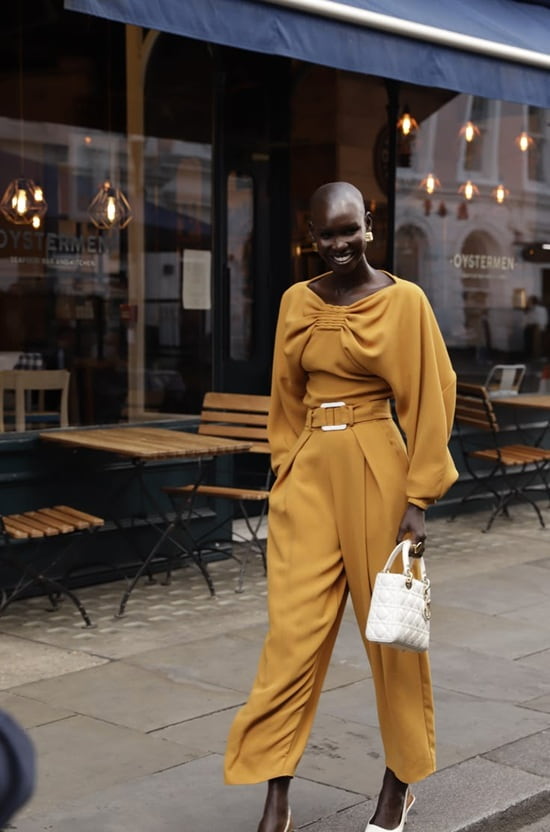 Photo: Getty Images
 Whether dressing for professional challenges or personal reflection, fashion influences both our perception of ourselves and how others perceive us. Keep reading as we take a look at psychology, personal habits, digital influences, and therapeutic benefits that make fashion a powerful emotional language.
The Science of Enclothed Cognition: Clothes That Change Your Mind
Fashion’s emotional influence is rooted in enclothed cognition, the concept that clothing systematically affects our thoughts, feelings, and behaviors. Introduced in a 2012 study by Hajo Adam and Adam Galinsky at Northwestern University, this phenomenon occurs when the symbolic meaning of clothing combines with the experience of wearing it.
For example, participants wearing a white lab coat described as a “doctor’s coat” performed better on attention tasks than those told it was a “painter’s smock” or given no coat. The symbolic link to intelligence and precision directly improved their focus.
A 2023 meta-review of over 40 studies confirmed that research on enclothed cognition since 2015 is highly replicable, establishing it as a reliable psychological effect. For instance, wearing a tailored blazer before a presentation can enhance feelings of authority, while a favorite hoodie after a difficult day provides comfort and a sense of security.
This research explains the effectiveness of “power dressing” and why wearing sweatpants during the pandemic sometimes reduced motivation. Clothing serves as an extension of identity. As cognitive psychologist Dr. Carolyn Mair observes, our wardrobe acts as a “second skin,” reflecting our self-image to ourselves and others. In uncertain times, selecting an outfit becomes a daily exercise of personal agency, transforming uncertainty into confidence.
 Photo Courtesy
 Colours influence emotions as well as aesthetics. Fashion designers have recognized this, and psychological research now supports it. Warm tones such as red and orange promote energy, passion, and confidence, making them suitable for important events. Cool blues and greens foster calm, trust, and introspection, which can help during stressful periods.
A global survey found that 42% of people feel more relaxed in specific outfits, and 40% report increased confidence due to colour choices. In the UK, over two-thirds believe intentional dressing improves mood.
Light colors can elevate spirits, while darker tones may reflect or intensify low moods. Importantly, individuals can dress to influence their desired emotional state. This concept, known as “wearapy,” highlights clothing’s role as emotional support.
Wearing a bright yellow dress on a gray Monday is not an act of vanity, but a form of self-care supported by neuroscience. Such choices provide subtle cues for optimism. Fashion psychology experts, including Professor Karen Pine, have demonstrated that even wearing a Superman T-shirt can increase feelings of strength and confidence. Colours, patterns, and textures serve as tools to influence our emotional state.
Fashion has always served as a form of storytelling. From ceremonial robes to punk accessories, clothing communicates identity, rebellion, grief, and celebration. On a personal level, these choices become deeply meaningful. For example, a widow may keep her late husband’s cardigan for its sentimental value, while a graduate may hold onto the blazer worn at their first job interview as a symbol of achievement.
 Photo Courtesy
 Research shows that 96% of people experience a change in emotional state by altering their style. Individuals experiencing depression often choose loose, dark clothing to avoid attention, while those in positive moods select fitted or expressive pieces. Conversely, dressing in a positive manner can help improve mood. This two-way relationship makes wardrobes a record of emotional experiences.
Fashion allows individuals to explore different aspects of their identity. For example, an introvert may choose structured, monochrome outfits to convey confidence, while an extrovert may prefer bold prints and textures. In therapeutic settings, “fashion therapy” involves intentional styling to process trauma, restore body autonomy, or regain joy after loss. Creating garments can also promote mindfulness and a sense of control.
How Social Media Amplify Fashion’s Emotional Pulse
By 2026, social media not only displays fashion but also amplifies its emotional impact. Platforms such as TikTok and Instagram turn outfits into shared experiences. Influencers trying on thrifted clothing can evoke nostalgia, while celebrities’ “dopamine dressing” inspires others to seek joy through colour. However, these platforms can also create pressure, leading to fear of missing out and body-image concerns.
Current trends show a rise in emotional branding, with brands creating spaces such as wellness retreats or storytelling campaigns to build stronger connections. Influencer relatability increases purchase intent by adding emotional value. In the digital era, fashion fosters community, with activities like “outfit recreations” reducing isolation and vintage reselling promoting sustainability through shared experiences.
 Photo Courtesy
 The emotional aspect of fashion is especially evident on social media. Scrolling through feeds is an active experience, with each post evoking different emotions such as empowerment or vulnerability. Many users curate “emotional mood boards” on platforms like Pinterest or use augmented reality try-ons to assess how an outfit feels before making a purchase.
Fashion marks significant life events such as weddings, funerals, job interviews, and first dates. Items like a black dress worn after a breakup or a suit from a successful interview serve as emotional anchors, preserving memories. Research on nostalgia indicates that clothing can trigger emotional responses more quickly than other senses, evoking joy or reflection.
Sustainable fashion leverages emotional durability, encouraging people to care for clothing that holds personal significance and thereby reducing fast-fashion waste. A cherished denim jacket, maintained over the years, endures beyond trends because of its personal meaning. In the context of climate concerns, valuing and maintaining possessions helps reduce consumption and acknowledges the effort involved in their creation.
The Healing Power of Fashion Therapy
Fashion therapy is an evidence-based approach to emotional regulation. Practitioners encourage clients to “dress how you want to feel,” promoting empowerment over rumination.
Structured clothing can help those with anxiety feel more organized, while bright accents may counteract depressive symptoms. Curating a capsule wardrobe also supports mindfulness and confidence in decision-making.
There are many personal accounts of fashion therapy’s impact. For example, one woman overcame agoraphobia by using daily outfits as a form of exposure therapy, gradually increasing her confidence to go outside.
Trauma survivors use clothing to regain a sense of bodily autonomy. In group settings, shared styling sessions foster community and reduce isolation.
The Dark Side: When Fashion Hurts
Not all emotional connections to fashion are positive. Retail therapy can provide temporary satisfaction but may conceal deeper issues, resulting in regret or financial stress.
Social media can contribute to “fashion anxiety,” the fear of being underdressed or out of style. The disposable nature of fast fashion often leads to short-lived enjoyment followed by guilt over waste.
Awareness is essential. Practicing mindful consumption by asking, “Does this spark joy and align with my values?” can transform potential challenges into opportunities for personal growth.
The Future: Emotionally Intelligent Fashion
In the future, AI-powered personalization will use wearable technology to assess mood and recommend outfits. Brands will focus on “emotional durability,” designing clothing that gains value over time.
 Photo Courtesy
 Virtual fashion in the metaverse will allow for risk-free self-expression without environmental impact. By 2026, trends will combine emotion-driven storytelling with circularity, creating fashion that is both meaningful and sustainable.
Dress Your Emotions Boldly
The emotional dimension of fashion is not a passing trend but a fundamental aspect of human experience.
From the cognitive effects of clothing to the influence of colour, the amplification by social media, and the therapeutic benefits, clothing serves as a practical tool for self-discovery and resilience. In today’s fast-paced world, take a moment to consider what you need to feel and select your attire accordingly.
When you choose your “lucky” jacket or a vibrant scarf, remember that you are not simply getting dressed. You are expressing courage, hope, and emotion through your clothing. Fashion is a dynamic expression of feeling. Consider what you want to experience and let your attire reflect that intention.
Photo Courtesy
You May Also Like:
Bella Hadid Opened the 2026 Victoria’s Secret Fashion Show as a Blooming Spring Angel
October 19, 2026Who is Solange Omon, the Newest Victoria's Secret Angel?
October 19, 2026The 2026 Victoria’s Secret Fashion Show is Happening: Here’s Everything You Need to Know
October 14, 2026Are We Done With Oversized Clothes?
October 12, 2026Who is Rachel Ojuromi, the Lagos Street Model who Walked the Chanel SS27 Show?
October 6, 2026Chanel SS 2027 Collection: A Fresh Flight Through Heritage and Freedom
October 6, 2026The Unexpected Colour Combination Taking Over 2026 Fashion
October 5, 2026Tom Ford Spring 2027 Pushes Seduction Closer to Danger
October 1, 2026Saint Laurent SS27 Delivered Golden Decade Celebration Under the Eiffel Tower
September 30, 2026Dior Spring/Summer 2027 Finds Romance in Nature’s Imperfections
September 30, 2026Kendall Jenner Opened L’Oréal Paris Runway Show in Sheer Black Dress
September 29, 2026Bottega Veneta’s Spring/Summer 2027 Show is About the Enduring Power of Craft
September 27, 2026


Esther Ejoh is a Fashion Editor at Fashion Police Nigeria, where she writes all things fashion, beauty, and celebrity style, with a sharp eye and an even sharper pen. She’s the girl who’ll break down a Met Gala look one minute, rave about a Nigerian beauty brand the next, and still find time to binge a movie or get lost in a novel. Style, storytelling, and self-care? That’s her holy trinity.