Published: April 16, 2026 Last Updated 6 months ago by Evelyn Adenike
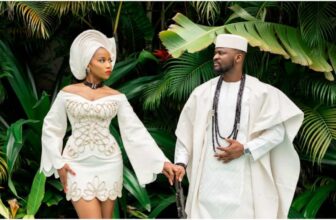
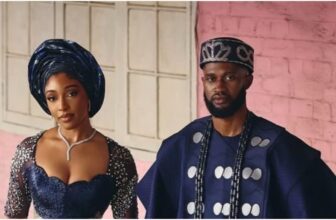
Attending a Nigerian wedding today comes with an unspoken expectation: wedding guests are no longer just attendees; they are expected to play an active part in the spectacle.
Outfits have grown more sophisticated, beauty looks more refined and editorial, and every accessory, hairstyle, and detail is chosen to contribute to a cohesive, Instagram-worthy visual narrative. This evolution has quietly redefined what it means to “attend” a Nigerian wedding.
Beneath the glamour lies a seldom-discussed reality: the steadily rising financial burden of showing up as a guest. What used to involve a few manageable expenses has become a complex and often substantial financial commitment, especially for anyone determined to arrive with a polished, elevated appearance.
Social media has laid this trend bare. In the days following major weddings, guests routinely post detailed cost breakdowns, with totals frequently running into hundreds of thousands and sometimes millions of Naira.
At Simi and Femi Dapson’s highly anticipated wedding in March 2026 (hashtag #MeetTheDapsons26), one Aso-ebi participant shared a breakdown exceeding one million Naira, excluding the money sprayed on the couple. Another wedding guest captured the essence perfectly, describing the experience as “a whole production” — a statement the numbers more than justify.
What makes the situation striking is not just the cost, but the complexity involved. Attending a contemporary Nigerian wedding now demands careful, multi-layered planning that spans fashion, beauty, logistics, and accommodation.
Each element carries its own price tag, and together they have transformed the wedding guest experience into something far more demanding and expensive than it once was.
Aso-ebi is Just the Beginning
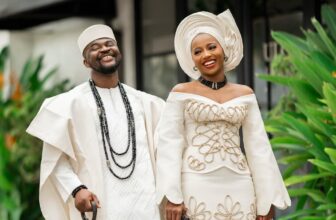
Aso-ebi may appear to be the primary expense, but wedding attire is only the initial cost.
Once the fabric is selected, all other elements must match its quality. Higher-quality fabrics increase expectations for tailoring, styling, and finishing.
 Photo: Instagram/@saobyrami
 According to figures shared online, aso-ebi typically costs between 80,000 Naira (about $58) and 250,000 Naira (about $181). Tailoring is a significant additional expense, with many fashion designers charging 200,000 Naira (about $145) to 350,000 Naira (about $253), depending on the outfit’s structure and detailing.
For example, one wedding guest spent 225,000 Naira (about $163) on fabric and 200,000 Naira (about $145) on tailoring, bringing the total close to half a million Naira.
This is where expectations begin to shape spending. Aso-ebi functions as both uniform and identity at the event, so wedding guests often adjust their choices to align with the overall standard, even when it means going beyond their initial budget.
Beauty Has Become a Full Production
Beauty expenses are the fastest-growing cost for Nigerian wedding guests. Preparing for an event now involves a series of choices rather than a single appointment.
The Hair often accounts for a significant share of the budget. For example, one guest spent 1.5 million Naira (about $1,084) on hair, while another allocated 285,000 Naira (about $206) for a wig and 60,000 Naira (about $43) for installation. Even basic styles, such as ponytails, can cost up to 532,000 Naira (about $385). These figures highlight the growing importance of achieving a polished appearance.
 Photo: Instagram/@officialosas
 Makeup and gele (the headtie) are also significant expenses when attending a Nigerian wedding. Makeup services typically cost between 50,000 Naira (about $36) and 180,000 Naira (about $130), particularly for home service. Gele tying ranges from 10,000 Naira (about $7) to 35,000 Naira (about $25). Nails and lashes, while less expensive, still contribute to overall costs, with many guests spending 25,000 Naira (about $18) to 60,000 Naira (about $43).
One Aso-ebi participant described the process as “a whole production,” which is accurate. Each step is carefully planned and timed to achieve a specific outcome. The objective is not only to look good in person but also to appear polished in photos and videos to be shared after the event.
The Hidden Costs No One Mentions
Beyond fashion and beauty, there are additional costs to attending a Nigerian wedding that are not visible in photos but significantly influence the overall experience.
Travel is a major expense, depending on the wedding location. Flights may cost up to 330,000 Naira (about $239), and weekend hotel stays can exceed 140,000 Naira (about $101), depending on location. Even within the city, transportation costs add up, with some wedding guests spending 120,000 Naira (about $87) on car hire and local travel.
 Photo: Instagram/@golden_fingers_media
 Additional functional expenses include the accessories, often bought specifically for the event. For example, one guest who shared her story on social media spent 100,000 Naira (about $72) on a bag and 65,000 Naira (about $47) on shoes. Another purchased a clutch for 30,000 Naira (about $22) and a larger bag for 25,500 Naira (about $18) to carry essentials.
When these hidden costs are added to the visible ones, the cost of a Nigerian wedding guest becomes clearer. The bill becomes a layered system where every detail carries its own price, not a single expense.
The Pressure to Look Good Online
Nigerian weddings now live far beyond the event space. Once the day ends, the photos and videos begin to circulate, and that has changed how guests prepare, changing the focus from just showing up.
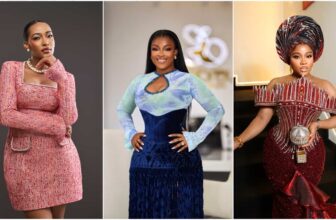
Instagram plays a strong role here. Guests are dressing with the awareness that their looks will be photographed, posted, and compared. This is why details are tighter. The wedding outfits are more structured, makeup is more precise, and styling decisions are more deliberate. The result is a guest culture where looking good is part of the social experience, not a personal choice.
 Photo: Instagram/@its.priscy
 This change also explains why many people invest in elements like professional photography or studio sessions. People want images that reflect the effort they put into their appearance. That expectation quietly increases the cost of being a Nigerian wedding guest, because every detail now needs to hold up on camera.
When There’s More Than One Wedding
The cost of attending weddings in Nigeria becomes significant when several events occur in the same year. While one wedding may be manageable, multiple invitations can quickly increase expenses.
An Instagram user reported having five weddings to attend in 2026. For one event, the aso-ebi fabric cost 170,000 Naira (about $123), and tailoring was quoted at 250,000 Naira (about $181). When these expenses recur across multiple weddings (because, let’s be honest, you can’t repeat the dress), total costs rise quickly, even before accounting for beauty and logistics.
 Photo: Instagram/@tolanibaj
 One of the weddings she was invited to reduced her spending slightly because one wedding used a colour code instead of aso-ebi. That single decision lowered her cost compared to the others. This shows how small structural changes can affect overall spending, but such situations remain rare.
At this point, the cost of attending a Nigerian wedding as a guest is no longer about a single celebration. It becomes an annual budget. Guests begin to plan, reuse items where possible, and make trade-offs, but the pressure to maintain a certain standard remains.
What It Really Adds Up To
When all the numbers are placed side by side, a clear pattern appears. There is no single fixed cost. Instead, there are tiers shaped by personal choices, access, and expectations.
At the lower end, guests who reuse items or simplify their choices can stay within a few hundred thousand naira. This usually means working with existing jewellery, opting for simpler hair, or choosing more affordable tailoring options.
Mid-range spending, however, tells a different story. Once aso-ebi, tailoring, hair, makeup, and transportation are combined, the total often exceeds 1,000,000 Naira (about $723). This is where most guests fall, especially those attending as close friends or part of the bridal circle.
On the higher end, costs rise quickly. Travel alone can take a large portion of the budget, with flights reaching 350,000 Naira (about $253) and accommodation adding another 100,000 to 150,000 Naira (about $72 to $108). When these are combined with premium hair, detailed styling, and multiple outfit changes, totals can reach 2,700,000 Naira (about $1,952) or more.
Public figures reflect this range clearly. For one wedding, Tolanibaj revealed that she spent about 1,443,000 Naira (about $1,043) on fabric, tailoring, beauty, and other essentials. In another instance, a guest’s combined expenses, including travel, aso-ebi, and styling, pushed her total well beyond one million naira.
What stands out is not just the final number, but how easily the costs build. Each decision feels small on its own, but together they shape the full weight of the cost of a Nigerian wedding guest.
These figures explain why more people are questioning the process. Attending a Nigerian wedding still carries cultural and social value, but the financial reality is becoming harder to ignore.
Looking good comes at a price, and for many wedding guests, that price is higher than expected.
Photo: Instagram/@kingdomfotografy
You May Also Like:
Your Guide to a Complete Nigerian Wedding Planning Checklist
October 11, 2026Traditional Wedding Outfit Ideas for Nigerian and Ghanaian Couples
September 27, 20268 Interesting Marriage Rites in Africa You Didn't Know
September 22, 2026Top Wedding Dress Trends in Nigeria for 2026
September 13, 2026How to Choose the Perfect Wedding Photographer in Nigeria
September 5, 2026Old Money Wedding Aesthetic: Everything You Need to Know
September 4, 2026Top Wedding Cake Trends in Nigeria and Ghana
September 3, 202610 Best Honeymoon Destinations for African Couples
September 1, 2026The Top African Wedding Decor Trends for 2026
August 30, 2026How Much Does a Nigerian Wedding Cost in 2026?
August 27, 2026Best Wedding Venues in Lagos, Abuja and Accra
August 26, 202615 Latest Aso Ebi Styles Every Nigerian Wedding Guest Should Try
August 7, 2026


Evelyn Adenike is an Associate Beauty Editor at Fashion Police Nigeria, where she covers all things beauty, from the glossiest nail trends to the best skincare finds. With a soft spot for storytelling and an eye for what’s fresh, she brings creativity and just the right dash of drama to every post. If it’s bold, beautiful, and blog-worthy, Evelyn’s probably already writing about it.