Published: June 21, 2026 Last Updated 4 months ago by FPN
Hydrated skin has become the new skincare goal. While conversations once revolved around acne treatments, anti-aging ingredients, and exfoliating acids, many consumers are now paying closer attention to something simpler: how healthy skin looks when it is properly moisturized.
This shift explains why words like “glowy” and “plump” have become staples of skincare marketing. The appeal goes beyond appearance. Well-hydrated skin often feels more comfortable, looks smoother, and reflects light more evenly.
In many cases, a complexion that is adequately moisturized can appear healthier than one overloaded with active ingredients.
As brands search for new ways to deliver lasting hydration, one ingredient has quietly started appearing in serums, moisturizers, and barrier-support formulas.
Polyglutamic acid may not have the name recognition of hyaluronic acid yet, but skincare enthusiasts are increasingly paying attention to its ability to help skin retain moisture.
So what exactly is polyglutamic acid, and why are so many skincare brands making room for it in their formulations?
Polyglutamic Acid Is Quietly Becoming a Hydration Hero
Polyglutamic acid is a water-soluble peptide naturally produced during the fermentation of soybeans, particularly in natto, a traditional Japanese food. In skincare, this ingredient is valued for its remarkable ability to attract and retain moisture on the skin’s surface.
Although polyglutamic acid has been around for years, interest in the ingredient has grown alongside the industry’s growing focus on hydration and skin barrier health.
Rather than aggressively exfoliating or targeting a single concern, many modern skincare products aim to support the skin’s natural functions. Polyglutamic acid fits neatly into this philosophy.
 Photo: Instagram/@yomi.visuals
 One reason skincare brands are embracing polyglutamic acid for skin is its film-forming ability.
After application, the ingredient creates a lightweight layer that helps reduce moisture loss from the skin’s surface. This can leave skin feeling smoother and more comfortable throughout the day.
The ingredient is also generally considered suitable for a wide range of skin types, including dry and sensitive skin. As a result, it has become increasingly common in hydrating serums, moisturizers, sleeping masks, and barrier-support treatments designed to keep skin looking fresh and supple.
The Secret Behind Polyglutamic Acid’s Plumping Power
The growing interest in polyglutamic acid for skin comes down to one thing: hydration. The ingredient functions as a humectant, meaning it attracts water and helps retain moisture near the skin’s surface.
When skin is adequately hydrated, several visible improvements often follow. Fine dehydration lines can appear less noticeable, rough patches may feel smoother, and the overall complexion can take on a fuller, healthier appearance.
This is where polyglutamic acid’s temporary plumping effect comes from. Rather than changing the skin’s structure, this active agent helps create conditions that allow the skin to look and feel more hydrated.
Another benefit is improved skin texture. Dehydrated skin often feels rough, tight, or uneven. By supporting moisture retention, polyglutamic acid can help create a softer surface that feels more comfortable throughout the day.
 Photo: Instagram/@ivy_zenny
 Hydration also plays a role in supporting the skin barrier. A healthy barrier helps reduce water loss while protecting the skin from environmental stressors.
While polyglutamic acid is not a replacement for barrier-repair ingredients like ceramides, it can contribute to a more supportive environment for healthy barrier function.
The result is often skin that appears more radiant. When moisture levels are balanced, light reflects more evenly across the surface, creating the fresh, healthy-looking glow that many skincare users are trying to achieve.
Polyglutamic Acid vs. Hyaluronic Acid
If hyaluronic acid is the hydration ingredient most people already know, polyglutamic acid is quickly becoming the ingredient many skincare enthusiasts are adding alongside it.
Both ingredients help attract and retain moisture, which is why they are often found in products designed to combat dryness and support a healthy skin barrier.
The difference lies in how they work. Hyaluronic acid functions as a humectant that draws water into the skin. Polyglutamic acid also acts as a humectant, but it is particularly valued for its ability to form a lightweight film on the skin’s surface that helps reduce moisture loss. Some research suggests polyglutamic acid may hold several times its weight in water, which is one reason it has attracted attention in hydration-focused skincare.
Rather than viewing the two ingredients as competitors, many experts consider them complementary.
Hyaluronic acid helps pull moisture into the skin, while polyglutamic acid helps keep that moisture from escaping too quickly. When used together, the combination can leave skin looking smoother, fresher, and more hydrated.
 Photo: Instagram/@sharonooja
 Most skin types can benefit from either ingredient. People with dehydration, dullness, or tight-feeling skin may particularly appreciate polyglutamic acid, while hyaluronic acid remains a popular option for those seeking lightweight hydration.
For many routines, the question is no longer polyglutamic acid versus hyaluronic acid, but how the two can work together.
The Best Ways to Add Polyglutamic Acid to Your Skincare Routine
One reason polyglutamic acid is becoming increasingly popular is how easy it is to incorporate into an existing skincare routine. The ingredient plays well with many other skincare staples and does not require a complete overhaul of your regimen.
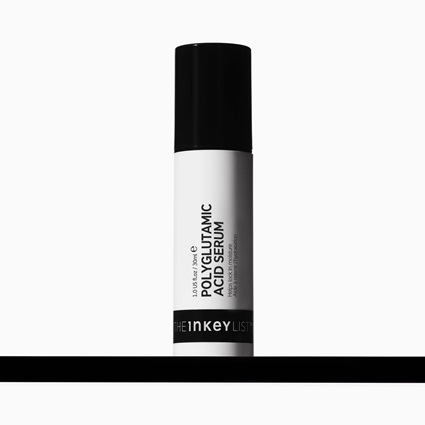
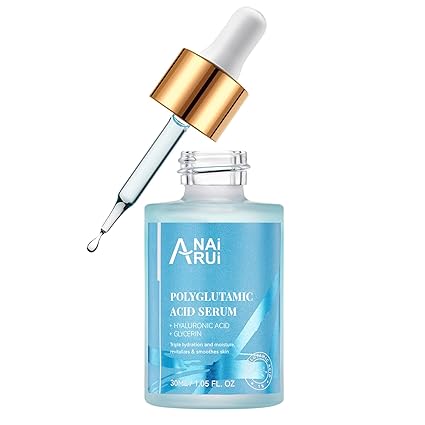
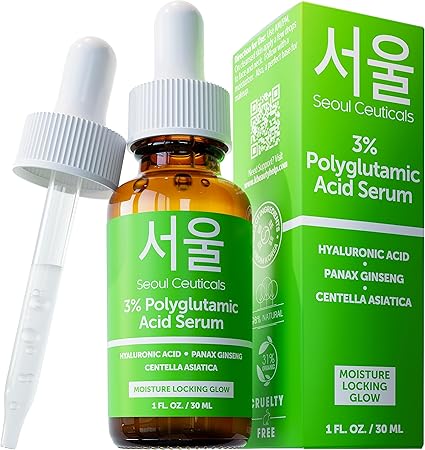
Serums are often the easiest starting point. A polyglutamic acid serum can be applied after cleansing and before moisturizer to help lock in hydration. Because the ingredient sits comfortably within most routines, many people use it both morning and night.
Moisturizers containing polyglutamic acid are another option, particularly for those looking to simplify their routine. These formulas combine hydration with barrier support, making them suitable for daily use throughout the year.
The ingredient also pairs well with several skincare favourites:
- Niacinamide for balancing oil production and improving skin tone.
- Ceramides for strengthening the skin barrier.
- Peptides for supporting smoother, healthier-looking skin.
- Hyaluronic acid for layered hydration.
- Glycerin for additional moisture retention.
Unlike some active ingredients that require careful scheduling, polyglutamic acid is generally easy to layer.
It can be used alongside vitamin C in the morning or paired with restorative products in an evening routine.
Is Polyglutamic Acid Worth the Hype?
The skincare industry introduces new ingredients every year, but not all of them earn a lasting place in consumers’ routines. Polyglutamic acid appears to be gaining attention for a practical reason: hydration remains one of the most universal skincare concerns.
For people dealing with dehydration, dullness, rough texture, or a compromised skin barrier, polyglutamic acid may offer meaningful benefits. The ingredient supports moisture retention, helps skin feel softer, and can create a temporarily plumper appearance that many people associate with healthy skin.
That said, polyglutamic acid is not a miracle ingredient. It will not replace sunscreen, retinoids, or every other product in a well-rounded skincare routine. Instead, its strength lies in supporting hydration, which is often the foundation of healthier-looking skin.
Like any active skincare ingredient, polyglutamic acid may not suit everyone. Some people may experience side effects such as dry or scaly skin, redness, burning, itching, swelling, hives, or even blistering.
Before adding it to your routine, perform a patch test on a small area of skin and monitor for any signs of irritation. If you have sensitive skin, existing skin conditions, or develop a reaction after use, it is best to consult a dermatologist for personalized advice.
As skincare continues to move toward barrier health and long-term hydration, polyglutamic acid is earning a place among the ingredients worth paying attention to.
For anyone looking to build a routine focused on comfort, moisture, and a healthy glow, polyglutamic acid may be the secret to plumper, more hydrated skin after all.
Photo: Instagram/@crystal_childs
You May Also Like:
Priscilla Mkambala Prepares to Launch Her Skincare Brand "Palmpriy"
October 21, 2026Purple Eyeshadow is Making a Case for Colourful Eye Makeup
October 18, 2026The Regenerative and Natural Face Trends Taking Over in 2026
October 11, 202610 Reasons Why Your Lips Also Need SPF Protection
September 9, 2026Suede Eyeshadow Could Be Your Fall Favourite Eye Makeup
September 3, 2026Huda Beauty x Cardi B Team Up for the New Ultra Snatched Collection
August 31, 2026How to Achieve Glowing Skin Naturally in Africa's Climate
August 28, 202610 Best Pimple Patches for Faster, Less Noticeable Breakouts
August 21, 20267 Best Face Masks for Plump, Hydrated, Smooth Skin
August 20, 2026How to Build the Perfect Skincare Routine for African Skin
August 18, 2026Your Ultimate Guide for the Best Skincare Products for Dark Skin in Nigeria and Ghana
August 13, 2026How Does Healthy Skin Look? Here's How to Tell the Difference
July 29, 2026


Evelyn Adenike is an Associate Beauty Editor at Fashion Police Nigeria, where she covers all things beauty, from the glossiest nail trends to the best skincare finds. With a soft spot for storytelling and an eye for what’s fresh, she brings creativity and just the right dash of drama to every post. If it’s bold, beautiful, and blog-worthy, Evelyn’s probably already writing about it.