Published: September 16, 2022 Last Updated 3 years ago by FPN
While anti-aging treatments aren’t for everyone, they are a popular choice for many people. For those who are young at heart, anti-aging treatments like Botox can help them feel like their outside better reflects their inside. For this reason, along with many other reasons, people are making Botox a part of their regular beauty routine.
If you’re considering making Botox treatments a regular part of your beauty routine, then you need to know how to care for your skin afterward. Keep reading to learn how to protect your skin after a Botox treatment.
Give Your Skin a Break
Botox injections can make your skin feel more sensitive than usual, so it’s a good idea to avoid touching the treated area for at least a day after treatment if you can avoid it. For facial treatments, this is easy, but it can be difficult if you’ve gotten injections elsewhere. Place a bandage or other type of protective covering over the area to help remind you not to touch it.
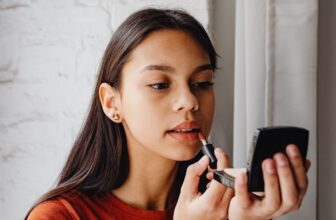
If your Botox treatment was on your face, make sure to also avoid makeup and skin treatments for at least 24 hours after the treatment. Rubbing your face with makeup or other skin treatments, such as exfoliating scrubs, can make the toxin within the injection disperse to unintended areas, which you don’t want.
 Photo: Pexels/Cottonbro
Avoid Bruising Activities
Several different activities can make you bruise easily after a Botox injection, such as drinking alcohol, sleeping in the treated area, and exercising. Alcohol consumption and many forms of physical activity dilate your blood vessels. As more blood goes to the treated areas, you can bruise more easily, even if your skin initially looked fine. Sleeping on the treated area won’t dilate your blood vessels, but it will increase the pressure at the injection site, which can also cause bruising. Avoid all these activities to prevent the risk of bruising.
Make Gentle Movements
As we mentioned above, you shouldn’t exercise after a Botox injection since it can cause the area to bruise. However, you should also make gentle movements in the treated areas to help the injection take better hold. If you had the Botox treatment done on your face, this would look like gently practicing various facial expressions, such as frowning, smiling, and raising your eyebrows.
If you had the treatment in an area other than your face, move your body gently and naturally. For example, if you had Botox injections in your forearm, you could still raise your arms above your head or below your knees as you reach for something. However, don’t lift anything too heavy.
You can protect your skin after a Botox treatment by giving the affected area a break, avoiding activities that cause bruising, and making gentle movements with the affected area. While your skin and body may still feel some effects of the Botox treatment afterward, especially if you’ve never had one before, you should feel fine after 24–48 hours and be able to resume your regular routine, like wearing makeup and exercising.
You May Also Like:

Priscilla Mkambala Prepares to Launch Her Skincare Brand "Palmpriy"

Purple Eyeshadow is Making a Case for Colourful Eye Makeup
The Regenerative and Natural Face Trends Taking Over in 2026
10 Reasons Why Your Lips Also Need SPF Protection

Suede Eyeshadow Could Be Your Fall Favourite Eye Makeup

Huda Beauty x Cardi B Team Up for the New Ultra Snatched Collection

How to Achieve Glowing Skin Naturally in Africa's Climate
10 Best Pimple Patches for Faster, Less Noticeable Breakouts
7 Best Face Masks for Plump, Hydrated, Smooth Skin
How to Build the Perfect Skincare Routine for African Skin
Your Ultimate Guide for the Best Skincare Products for Dark Skin in Nigeria and Ghana