Published: June 12, 2026 Last Updated 4 months ago by FPN
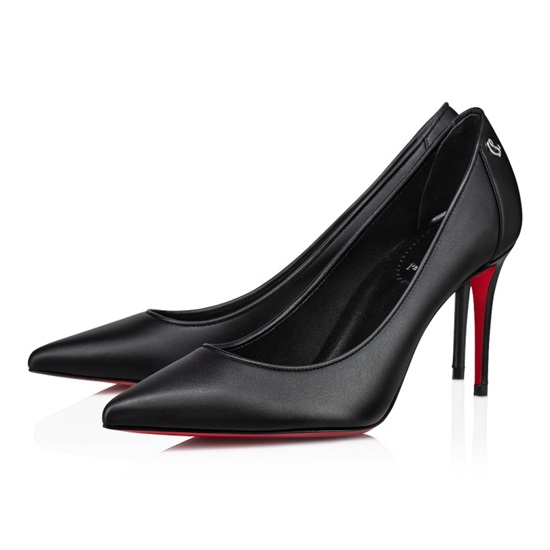
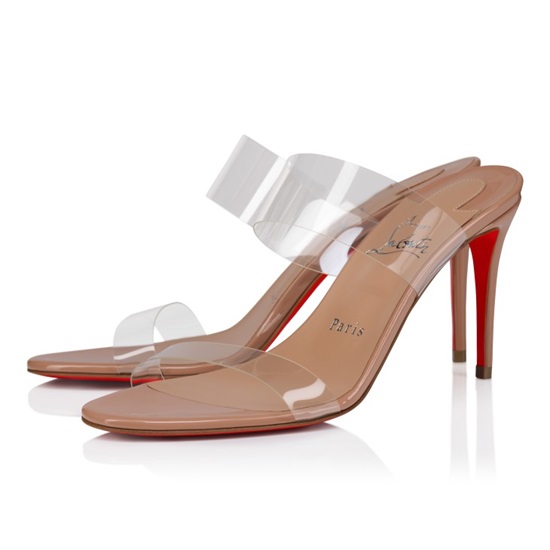
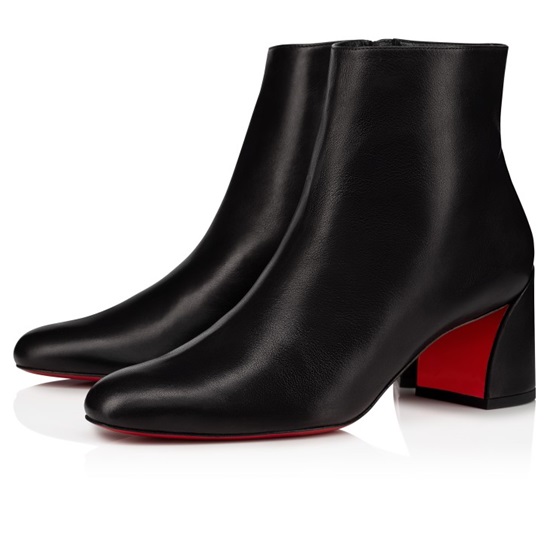
In luxury fashion, few design elements have achieved the instant recognition and cultural cachet of Christian Louboutin’s signature red soles. That flash of vibrant scarlet peeking from beneath a stiletto heel as a woman walks has become synonymous with glamour, power, sensuality, and exclusivity.
Often called “red bottoms,” these soles go beyond a stylistic choice; they are a status symbol that transcends trends, appearing on red carpets, in music videos, and in the wardrobes of celebrities, royalty, and fashion enthusiasts worldwide.
What makes this iconic detail more compelling is its humble and serendipitous origin. Far from a planned marketing strategy or deep historical homage (though historical echoes exist), the red sole was born from a spontaneous “happy accident” in a Parisian atelier.
This article explores the fascinating history of Christian Louboutin’s red soles, covering the designer’s journey, the moment of inspiration, legal battles to protect the trademark, its cultural impact, and why it continues to captivate after more than three decades.
 Photo: Instagram/@christianlouboutin
 Whether you are a fashion aficionado, a collector of luxury shoes, or simply curious about one of the most recognizable trademarks in modern design, the story behind these red soles reveals layers of creativity, resilience, and savvy branding.
Christian Louboutin’s Early Life and Rise in Fashion
Christian Louboutin was born in 1963 in Paris, France, into a family that immersed him in the city’s vibrant cultural scene. Growing up with three sisters in a household that appreciated art and style, young Christian developed an early fascination with women’s footwear.
A pivotal childhood moment came during a visit to a museum where he encountered a sign prohibiting high heels to protect the floors. Rather than deterring him, this “forbidden” aspect sparked his imagination about the transformative power of shoes.
As a teenager, Louboutin was expelled from school around age 16 for focusing more on sketching shoes than on his studies. He then worked at the legendary Folies Bergère cabaret, where he observed showgirls navigating the stage in elaborate costumes and towering heels.
This experience profoundly influenced his design philosophy: shoes should empower women, elongate their legs, and exude confidence and sexuality. He later interned and freelanced for prestigious houses, including Charles Jourdan, where he honed his craft under masters like Roger Vivier (the inventor of the modern stiletto). He also designed for Chanel, Yves Saint Laurent, and Maud Frizon.
In 1991, seeking creative freedom, Louboutin opened his first boutique in Paris’s exclusive Rue Jean-Jacques Rousseau. His early collections emphasized artistry, comfort in high heels (despite the heights), and bold aesthetics.
Handcrafted primarily in Italy, his shoes quickly attracted elite clientele, including Princess Caroline of Monaco. But it was in 1992 (or 1993, depending on the account) that a single, impulsive decision would define his legacy forever.
The Birth of Christian Louboutin’s Red Sole
The story of the red sole is delightfully unpretentious. While finalizing the prototype for the “Pensée” model, a shoe inspired by Andy Warhol’s Flowers series, Louboutin was dissatisfied with the plain black sole.
It felt dull and disrupted the shoe’s elegant silhouette. As he pondered solutions in his atelier, his assistant painted her nails with vibrant red polish. In a spontaneous gesture, Louboutin grabbed the bottle and brushed the glossy red lacquer onto the sole of the prototype shoe from toe to heel.
 Photo: Christian Louboutin
 The transformation was instantaneous. The shoe “came to life,” as he described it. The bright red added a flirtatious, memorable pop that contrasted beautifully with most uppers. Louboutin later reflected that red is more than a color.
It is a symbol of love, blood, passion, and engagement. He noted that in early ’90s France, many women wore black and avoided color, but “you will probably wear red on your nails, on your lips.” The red sole became a subtle yet powerful way to inject vibrancy without overwhelming the design.
This wasn’t a calculated move to create a trademark; it was instinct. Louboutin decided to apply it across his collection, turning what could have been a one-off experiment into his signature. The shiny, lacquered finish not only looked luxurious but also served a practical branding purpose: from afar or in photos, the red sole immediately identified the shoe as a Louboutin.
Historical parallels add depth to the tale. In the 17th century, King Louis XIV of France popularized red-heeled shoes as a symbol of aristocratic privilege, restricting them to his court to highlight his shapely calves.
While Louboutin has cited various inspirations (including cabaret dancers and personal observation), the red sole taps into this long tradition of red footwear denoting status and boldness.
 Photo: The J. Paul Getty Museum
 As the brand skyrocketed in popularity, the red sole became a target for imitation. In 2008, Louboutin successfully registered the “Red Sole Mark” with the United States Patent and Trademark Office for lacquered red soles on footwear. This was a landmark achievement, as single-color trademarks are notoriously difficult to secure in fashion due to functionality and ornamentation concerns.
The most famous legal showdown occurred in 2011 when Louboutin sued Yves Saint Laurent (YSL) for trademark infringement. YSL released a “monochrome” collection featuring entirely red shoes, including red soles.
The case, Christian Louboutin S.A. v. Yves Saint Laurent America Inc., went to the U.S. Court of Appeals for the Second Circuit. The court ruled that Louboutin’s trademark was valid but limited: it applied to red soles that contrasted with the upper part of the shoes. YSL’s all-red monochrome shoes did not infringe because there was no contrast.
This decision was a partial victory for Louboutin, affirming that a single color can function as a trademark in fashion when it acquires “secondary meaning” (i.e., consumers associate it with the brand).
It protected his core innovation while allowing some flexibility for competitors. Louboutin has pursued other infringers over the years, reinforcing the red sole’s protected status in key markets.
 Photo: Instagram/@elle_ferguson
 These battles highlight the intersection of art, commerce, and law in luxury fashion. Positioning the red sole as a valuable intellectual property asset that underscores Louboutin’s business acumen.
Celebrities, Pop Culture, and Global Influence
The red sole’s true power emerged through its adoption by icons. From the 1990s onward, stars like Madonna, Sarah Jessica Parker, Jennifer Lopez, Beyoncé, Rihanna, Zendaya, and Taylor Swift have worn Louboutins on red carpets, in performances, and in everyday glamour. Kate Moss inspired a specific “Kate” shoe model. Even royalty, including Meghan Markle and Kate Middleton, have been spotted in them.
Pop culture amplified the hype. Jennifer Lopez released a song called “Louboutins.” References appear in Cardi B’s “Bodak Yellow,” Ariana Grande’s “7 Rings” (“Happiness is the same price as red bottoms”), and TV shows like Breaking Bad. The soles became shorthand for aspiration, luxury, and female empowerment.
Beyond celebrities, the shoes influenced broader fashion trends, reviving and elevating stilettos in the 1990s and 2000s.
Louboutin’s designs, often over 120mm high and embellished with crystals, feathers, and bows, focus on making women feel sexy and powerful. The brand expanded into handbags, beauty, and men’s lines, but the red sole remains the undisputed star.
 Photo: Instagram/@christianlouboutin
 Today, Louboutin operates boutiques worldwide, with shoes priced from several hundred to thousands of dollars. The red sole continues to evolve with limited editions, collaborations (like with Disney’s Cinderella), and sustainable innovations, yet its core allure persists.
Fun Facts and Enduring Legacy
- The exact shade of red is a closely guarded secret, contributing to its exclusivity.
- Early red soles were literally painted with nail polish; modern versions use specialized lacquer for durability.
- Louboutin has designed custom shoes for films, ballets, and private clients.
- The brand’s success story is one of perseverance: early manufacturing challenges nearly derailed the business after the first season.
The red sole’s history is a testament to how a simple, serendipitous idea can redefine an industry. It embodies French elegance, bold creativity, and the joy of self-expression through fashion.
Amid fast fashion and changing trends, Christian Louboutin’s red soles remain a symbol of enduring luxury. The distinctive red is more than a design element; it represents confidence, heritage, and the impact of exceptional design. Whether in a boardroom, at a gala, or for personal enjoyment, wearing Louboutins is a way to carry fashion history with every step.
As the designer suggests, red is not just a colour; it is an attitude. Since one inspired moment in a Parisian atelier, this signature has encouraged people to walk with greater confidence and style.
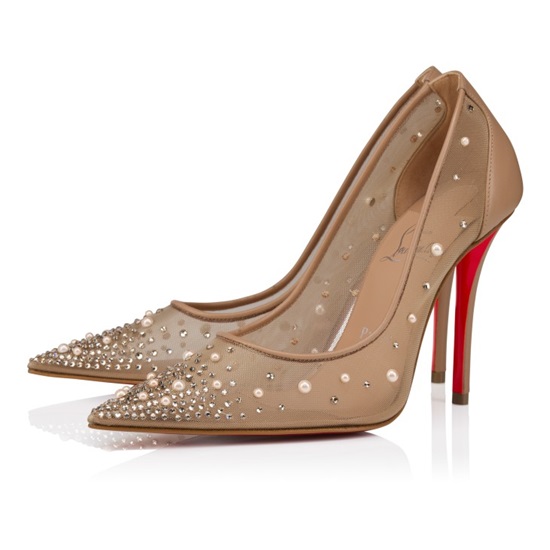
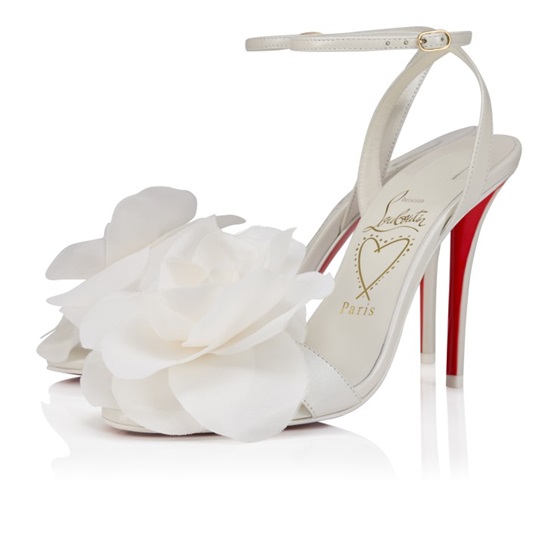
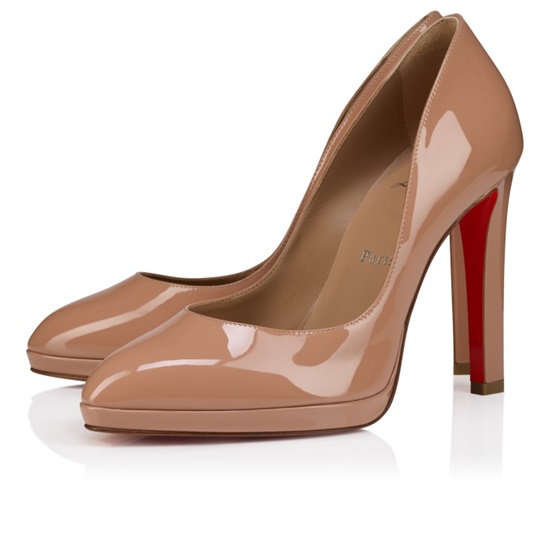
Shop Christian Louboutin Shows Below:
You May Also Like:
The 2026 Victoria’s Secret Fashion Show is Happening: Here’s Everything You Need to Know
October 14, 2026Are We Done With Oversized Clothes?
October 12, 2026Who is Rachel Ojuromi, the Lagos Street Model who Walked the Chanel SS27 Show?
October 6, 2026Chanel SS 2027 Collection: A Fresh Flight Through Heritage and Freedom
October 6, 2026The Unexpected Colour Combination Taking Over 2026 Fashion
October 5, 2026Tom Ford Spring 2027 Pushes Seduction Closer to Danger
October 1, 2026Saint Laurent SS27 Delivered Golden Decade Celebration Under the Eiffel Tower
September 30, 2026Dior Spring/Summer 2027 Finds Romance in Nature’s Imperfections
September 30, 2026Kendall Jenner Opened L’Oréal Paris Runway Show in Sheer Black Dress
September 29, 2026Bottega Veneta’s Spring/Summer 2027 Show is About the Enduring Power of Craft
September 27, 2026Fendi Reclaims Body-Conscious Dressing with Freedom, Sensuality, and Italian Flair
September 24, 2026Burberry Spring 2027: Joyful Florals and a Modern Approach to the Iconic Trench
September 22, 2026


Evelyn Adenike is an Associate Beauty Editor at Fashion Police Nigeria, where she covers all things beauty, from the glossiest nail trends to the best skincare finds. With a soft spot for storytelling and an eye for what’s fresh, she brings creativity and just the right dash of drama to every post. If it’s bold, beautiful, and blog-worthy, Evelyn’s probably already writing about it.