International Women’s Day 2026 is an ideal occasion to recognize the women transforming the African fashion industry. Across cities like Lagos, Dakar, and Cape Town, African fashion is evolving beyond traditional textiles, merging heritage with innovation, sustainability, and global relevance.
These designers, founders, and visionaries are building ecosystems that empower communities, preserve culture, and drive economic growth. According to recent reports, the African fashion market is projected to reach $15 billion by 2028, driven by leaders who promote inclusivity, ethical production, and impactful storytelling. Their work showcases the continent’s diversity and addresses challenges such as climate change and gender equality.
As interest in African fashion and female designers grows, these leaders distinguish themselves through resilience and creativity. They overcome supply chain challenges, funding limitations, and international biases to showcase African aesthetics globally.
Ahead, we highlight influential women in African fashion, sharing their journeys, achievements, and future visions. By honoring them, we acknowledge their role in shaping trends and creating opportunities for future talent across the continent.
Omoyemi Akerele: Pioneering Sustainable Platforms in Nigeria
Omoyemi Akerele, founder of Lagos Fashion Week and Style House Files, has been central to Nigeria’s fashion evolution since 2011.
With over twenty years of experience, she shifted from law to fashion consulting to create platforms for African talent. Lagos Fashion Week is now Africa’s leading fashion event, supporting designers and business growth.
 Photo Courtesy
 In 2025, Akerele received the Earthshot Prize for advancing circular fashion through initiatives like Green Access, which trains emerging designers in sustainable practices. Her work has generated jobs, preserved artisanal crafts, and established African fashion as a sustainable global force.
Akerele’s influence extends beyond the runway. As a Yale Climate Fellow, she advocates for eco-friendly ecosystems and integrates craft-driven innovation with community empowerment. She has helped transform Lagos into a fashion hub, attracting international investment and collaboration.
Her vision highlights African fashion as a source of economic empowerment. As she expands circular hubs across Africa, Akerele inspires women to lead with purpose, demonstrating that sustainability and style are compatible.
Precious Moloi-Motsepe: Championing Pan-African Fashion Unity
Dr. Precious Moloi-Motsepe, founder of African Fashion International (AFI), is a philanthropist and business leader who has elevated African fashion across the continent.
After training as a medical doctor, she entered fashion in 2007 to promote designers and create jobs, particularly for women and youth. AFI organizes major events such as Johannesburg and Cape Town Fashion Weeks, operates an e-commerce platform, and runs the House of Nala boutique, uniting fragmented markets into a cohesive industry.
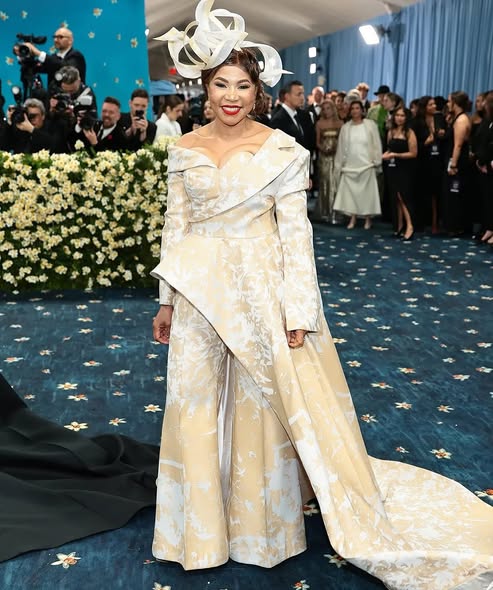
Her efforts have launched careers, including Thebe Magugu and Sindiso Khumalo, and established partnerships with global brands like Mercedes-Benz. Through the Motsepe Foundation, Moloi-Motsepe supports education and creative industries, aligning fashion with social impact. As Chancellor of the University of Cape Town, she connects academia and industry to foster innovation.
In 2026, AFI’s emphasis on sustainability and digital platforms reflects its commitment to a resilient African fashion sector. Her example encourages women to combine purpose with profit, making her a leading figure in African fashion.
Adama Ndiaye: Energizing West African Fashion from Dakar
Adama Ndiaye, often called the “Queen of Fashion in Africa,” founded Dakar Fashion Week, one of the continent’s longest-running and most influential events.
Since its inception, Dakar Fashion Week has showcased Senegalese and West African talent, blending traditional wax prints with contemporary designs.
 Photo: Instagram/Adamaparis
 Ndiaye emphasizes professionalism, international collaboration, and artisan support. The event attracts global buyers and media, helping brands secure export deals and contributions highlight women’s roles in cultural preservation and economic development.
Wandia Gichuru: Leading Retail Innovation and Accessibility in East Africa
Wandia Gichuru, co-founder and CEO of Vivo Fashion Group, has built one of East Africa’s largest fashion retail networks since 2011.
With over 20 stores in Kenya, Uganda, and Rwanda, Vivo offers affordable, stylish women’s wear tailored to African preferences. Gichuru prioritizes local production, versatile fabrics, and inclusive sizing. Her mission, “Africa dresses herself and dresses the world,” empowers women and sustains jobs through accessible fashion.
 Photo: Wandia Gichuru
 In 2026, Vivo’s shift to omnichannel retail, including online expansion, demonstrates adaptability. Gichuru’s leadership positions her among East African fashion and retail pioneers.
Aisha Ayensu: Ghanaian Elegance and Global Recognition
Aisha Ayensu founded Christie Brown in 2008, establishing a brand known for bold prints, intricate details, and feminine silhouettes inspired by Ghanaian heritage.
Ayensu’s designs have appeared on international red carpets and in major publications. Her work celebrates African femininity and resonates with global audiences. Christie Brown prioritizes craftsmanship and storytelling, supporting local tailors and weavers.
 Photo Courtesy
 As a two-time African Designer of the Year, Ayensu demonstrates how women successfully blend tradition with modernity in fashion.
Lisa Folawiyo: Elevating Ankara Through Artistry
Lisa Folawiyo transformed Ankara fabric with her label, formerly Jewel by Lisa, creating hand-embellished prints for high-fashion ready-to-wear since 2005.
 Photo: Instagram/Lisa Folawiyo
 Her intricate beadwork and bold patterns have been worn by celebrities worldwide. Folawiyo emphasizes artisan empowerment and slow fashion, aligning with circular trends. In 2026, her influence endures as African textiles gain premium status.
Sarah Diouf: Made-in-Africa Luxury from Senegal
Sarah Diouf, founder of Tongoro since 2016, produces accessible luxury entirely in Dakar. Her brand, worn by Beyoncé and Naomi Campbell, became the first Made-in-Africa label on Net-A-Porter in 2022. Diouf’s designs celebrate Senegalese craftsmanship and emphasize slow fashion.
 Photo Courtesy
 Diouf boosts local economies and redefines African pride. Her documentary Road to Renaissance highlights cultural innovation and inspires women in fashion.
Mowalola Ogunlesi: Provocative and Boundary-Pushing
Mowalola Ogunlesi, a Nigerian-British designer, has combined sensuality with cultural commentary since 2017.
A Central Saint Martins graduate, she designed Nigeria’s World Cup kits for Nike and collaborated with Yeezy Gap. Her SS25 show explored identity through bold leather and cutouts. Inspired by Fela Kuti and youth culture, Ogunlesi challenges gender and racial norms through her work.
Ogunlesi shifts perceptions of African fashion toward edgier, global narratives. In 2026, as avant-garde trends grow, her fearless approach empowers women to design without boundaries.
Sindiso Khumalo: Storytelling Through Sustainable Textiles
South African designer Sindiso Khumalo uses hand-illustrated prints to highlight social and environmental issues.
 Photo: Instagram/sindisokhumalo
 A former LVMH Prize finalist, Khumalo promotes zero-waste practices and cultural narratives that inspire ethical fashion. Her collaborations extend her message of justice and heritage.
Folake Coker: Revolutionizing Ready-to-Wear Luxury
Folake Coker, founder of Tiffany Amber, has pioneered ready-to-wear fashion in Nigeria since 1998. After studying in Europe, she returned to Lagos to launch a brand that blends African vibrancy with international elegance.
Coker was the first African designer to show twice at New York Fashion Week and has expanded into diffusion lines such as TAN and couture Folake Folarin. Celebrating 25 years in 2023, her label has dressed global figures and strengthened African luxury.
 Photo Courtesy
 Coker empowers women through designs that celebrate confidence and individuality. In 2026, her focus on Quiet Luxury in African prints aligns with current trends. As a lifestyle brand that includes home goods, Tiffany Amber promotes holistic empowerment and encourages women in African fashion to build lasting legacies.
Anifa Mvuemba: Digital Innovation and Inclusivity
Anifa Mvuemba, Congolese-American founder of Hanifa, disrupted fashion with her 2020 3D virtual runway, showcasing Pink Label Congo. Since launching her brand in 2012, she has emphasized bold colours and inclusive designs, worn by celebrities such as Zendaya.
In 2026, after pausing production to refine operations, Mvuemba is focused on sustainable growth. Her bridal line and advocacy work highlight Congolese heritage and mining issues.
 Photo Courtesy
 Mvuemba makes fashion more accessible through technology, demonstrating that African designers can lead in innovation. Her faith-driven entrepreneurship encourages women in African fashion to use digital tools for global impact.
Additional Trailblazers Shaping the Landscape
- Anyango Mpinga (Kenya): Upcycling innovator in circular fashion.
- Akosua Afriyie-Kumi (Ghana): Founder of AAKS, known for vibrant, ethical accessories.
These women, along with emerging talents, lead conferences such as Women in Fashion Africa and other impact-focused events.
On International Women’s Day 2026, we honour these leaders for their resilience. They promote inclusivity, sustainability, and economic growth, supporting the global success of African fashion.
Their stories inspire the next generation to pursue ambitious goals, innovate, and lead with purpose. The future is bright and distinctly African.
You May Also Like:
Celebrity Haircare Brands: 14 Stars Revolutionizing Your Haircare Routine
March 30, 2026Fall 2026 Runway Trends: 12 Bold, Romantic & Futuristic Looks Defining the Season
March 19, 2026How Cloud Dancer Colour Trend Took Over the 2026 Oscars
March 17, 2026How Celebrities are Turning Lingerie into Chic Fashion Moments
March 17, 202615 Boubou Dress Styles You'd Want to Wear Now
March 17, 2026Louis Vuitton Women’s Fall 2026 Combines Nature, Folklore, and Bold Escapism
March 11, 2026Chanel Fall 2026 Collection: The Butterfly Effect – Matthieu Blazy's Transformative Vision at Paris ...
March 10, 2026How Designers are Using Recycled Materials to Create Covetable Wardrobe Pieces
March 9, 2026Kim Kardashian Dressed Like a Vegas Showgirl and No One Saw It Coming
March 6, 2026Tom Ford Fall 2026 Collection: The ’90s Revival No One Saw Coming
March 5, 2026Dior Fall 2026 Collection Revives the Peplum at Paris Fashion Week
March 4, 2026Saint Laurent Fall 2026 Collection: Anthony Vaccarello Reimagines Sultry Elegance at Paris Fashion W...
March 4, 2026