Every love story eventually arrives at this point: that moment when the excitement of saying yes turns into planning how to say I do. The mood is electric. Guest lists start growing, Pinterest boards fill up, and yet, somewhere between picking a dress and setting a date, a quiet but crucial question slips in: Are we doing a civil or white wedding?
For some couples, the answer seems obvious, especially when the pressure from family and tradition leans heavily on one side, and sometimes, both!
A white wedding feels grand, timeless, and soaked in symbolism. White weddings are the fairy-tale version many grew up dreaming about. But then comes the reality check: the cost, the logistics, and the paperwork that make a marriage legally binding in Nigeria. That’s when the practical voice kicks in; maybe a civil wedding is all we need.
This is where the heart and the head begin their gentle tug-of-war. The heart longs for the spectacle, the aisle, the lace, the choir’s soft hum of Here Comes the Bride. The head, however, knows that love also needs a legal home — one that can stand up in court long after the music fades.
Choosing between a civil or white wedding often feels like standing between tradition and practicality, where love must find its balance.
But here’s the truth: deciding between a civil or white wedding isn’t really about picking the “better” one. It’s about knowing what each represents, with one offering structure and legality, the other offering meaning and memory. Both weddings are valid, beautiful, and deserve to be chosen intentionally.
The Civil Ceremony
For the couple who values simplicity over spectacle, a civil wedding feels just right. No flower girls are rehearsing, and no anxious aunties are hovering in the background. Just two people who are in love, a few witnesses, and a registrar making the union legal and official.
The scene is calm, almost sacred in its own way, vows exchanged in a modest hall or court, and signatures inked onto a document to make the union official.
Across Nigeria, many couples now choose the civil route paired with a traditional ceremony. For these couples, the balance feels perfect, honouring culture with the traditional wedding while securing legality through the registry.
 Photo: Instagram/@jjpstudios
 The beauty of a civil wedding lies in its unbeatable logic. First, there’s the legal finality. The moment the registrar stamps their marriage certificate, the union becomes recognised by law. A civil wedding is the assurance that, beyond the photos and décor, the marriage stands protected.
Then comes budget clarity. A civil or white wedding can often determine how a couple allocates their funds, but the civil ceremony wins when it comes to cost-effectiveness. The fees are minimal, the event is brief, and the savings are substantial. For couples building a home or dreaming of a honeymoon, this simplicity is probably what they need to tie the knot.
Finally, there’s stress reduction in a civil wedding ceremony. With the legalities handled first, every other celebration becomes optional rather than obligatory. The couple can walk into the traditional or white wedding knowing the official part is done. It’s peace of mind wrapped in paperwork, and for many modern Nigerian couples, that’s more romantic than any confetti toss.
The White Wedding
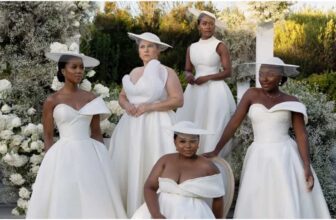
For many couples, the civil or white wedding decision isn’t really a debate, because the white wedding has always been the dream. White weddings are the vision formed long before adulthood, shaped by movie scenes, church ceremonies, and the memory of a cousin’s grand entrance in a flowing gown.
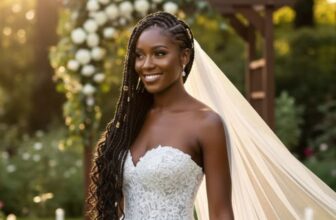
The white wedding carries its own magic: the slow walk down the aisle, the gentle lift of the veil, the soft gasps from friends and family as the bride appears. It’s more than a ceremony; it’s a shared emotion that sweeps through the hall like music.
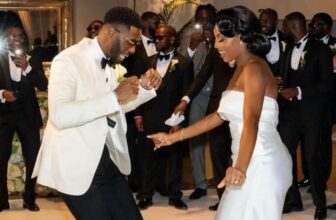
Here, the crowd becomes part of the memory, each cheer and song echoing the joy of the union. For couples who choose this path, the white wedding is a performance of love before witnesses who matter most.
 Photo: Instagram/@bolasstyle.ugc
 Then comes the emotional weight, the true reason behind the grandeur.
In Nigeria, no wedding feels complete without the family blessing. These blessings are the elders’ formal approval and the parents’ pride of merging two lineages in public view. The ceremony gives both families their moment to honour the union and, in doing so, solidify it before the community.
In a society that values togetherness, the white wedding serves as a public rite of passage. Friends, colleagues, and relatives gather to witness, bless, and affirm the couple’s step into a shared future. It’s noisy, it’s beautiful, and for many Nigerian couples, it’s the day that defines the beginning of forever.
The Crossroads of “I Do”: Choosing Between a Civil or White Wedding
At some point, every couple planning a Nigerian wedding reaches the same crossroad: the question of whether to have a civil or white wedding, or both. And truthfully, many couples no longer choose one over the other; instead, finding the balance in blending both experiences is the go-to choice.
While a civil wedding gives the official seal that transforms a relationship into a legally recognised marriage, the white wedding, on the other hand, delivers the celebration, the moment when family, friends, and community share in the joy. When combining a civil and white wedding, the two ceremonies create a well-rounded experience for couples.
Still, balance is key.
For couples working within a realistic wedding budget, the civil ceremony can be done first, followed by a heartfelt meal or photoshoot to seal the moment. Once that’s settled, attention can shift to the white wedding, which can be as intimate or extravagant as the couple desires.
 Photo: Instagram/@casscophoto
 Spacing the two out by weeks or months not only relieves financial pressure but also keeps the excitement alive longer.
The best approach is to let the civil or white wedding reflect who the couple truly is.
Some couples choose to keep the civil ceremony private, and then use the white wedding to express style and personality. Others prefer a minimal white wedding immediately after the registry signing, creating a seamless transition from the legal vows to the ceremonial exchange of rings.
Both wedding approaches are valid, as long as they align with the couple’s peace of mind and shared values.
In the end, there’s no universal answer, only what feels authentic. Whether a couple opts for the quiet elegance of a registry, the grandeur of a church ceremony, or the beauty of both, the goal remains the same: a union rooted in love, legality, and genuine happiness.
After all, what matters most isn’t the setting or the guest list; it’s the peace, purpose, and partnership that follow long after the music fades.
Photo: Instagram/@omastylebride
You May Also Like:
30 Captivating Spring Wedding Ideas for Modern Brides
March 23, 2026Meagan Good Celebrates First Wedding Anniversary with Jonathan Majors: 'The Greatest Love Story'
March 19, 202614 Best Songs to Add to Your Wedding Reception Playlist
March 6, 2026The Timeless Elegance of Wedding Dress Trains: History, Types, and Tips for Modern Brides
February 19, 202610 Wedding Flowers That Brides and Grooms Rely On
February 11, 2026Pre-Wedding Planning Hacks That Save You Time and Stress
January 24, 2026The 2026 Wedding Trends I’m Paying Attention To
January 11, 20269 Wedding Decor Colours That Make a Budget Venue Look Expensive
January 10, 2026How Much Time Do You Really Need to Plan a Wedding?
December 30, 2025The Ultimate Guide To Your Honeymoon Packing List
December 16, 20258 Nigerian Weddings that Lived Up to the Hype in 2025
December 8, 2025How Long Should You Date Before Getting Engaged?
October 21, 2025


Evelyn Adenike is an Associate Beauty Editor at Fashion Police Nigeria, where she covers all things beauty, from the glossiest nail trends to the best skincare finds. With a soft spot for storytelling and an eye for what’s fresh, she brings culture, creativity, and just the right dash of drama to every post. If it’s bold, beautiful, and blog-worthy, Evelyn’s probably already writing about it.