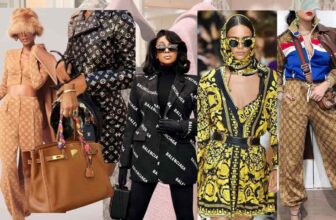
Fashion used to be something many people watched from a distance. It lived in glossy magazines, runway shows in faraway cities, and shop windows styled by experts whose names we barely knew. What we saw was carefully selected, edited, and presented as the standard.
For a long time, fashion was controlled by a small group of designers, editors, and brands who decided what was beautiful, what was trendy, and what was acceptable. Social media quietly stepped into this closed space and turned everything upside down.
Today, fashion feels closer, louder, faster, and far more personal than it has ever been. The way we see clothes, style, and even ourselves has shifted because of social media platforms that fit inside our phones.
Before social media, fashion trends moved slowly. Fashion designers released collections, magazines reviewed them, and stores adapted the looks for everyday buyers. This process could take months. Now, fashion ideas travel across the world in seconds. A single post can inspire thousands of people to copy a look, remix it, or react against it.
Social media removed the waiting period and replaced it with instant access. This speed has changed how people value fashion. Clothes are no longer just items you buy for seasons. They are part of daily conversation, visual storytelling, and self-expression that updates constantly.
 Photo Courtesy
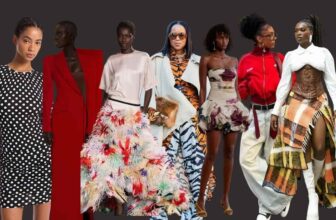
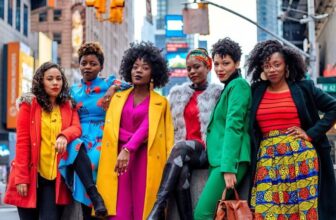
 One of the biggest changes social media brought is visibility. In the past, only certain body types, skin tones, and lifestyles were shown as fashionable. Many people rarely saw anyone who looked like them represented in style content. Platforms like Instagram, TikTok, and Pinterest opened the door for everyday people to show how they dress, mix outfits, and express culture through clothing.
Fashion stopped being something you only looked at and became something you could participate in. This shift made many realize that style is not owned by luxury houses alone. It lives on the streets, in bedrooms, at local markets, and in small online communities.
Influencers played a major role in this change. Unlike traditional models or celebrities, influencers often feel more relatable. They show outfits in real environments, talk about why they like certain pieces, and share personal opinions. This created a sense of trust and connection.
People started to care less about brand names and more about how clothes fit into real life. An outfit worn by someone who feels familiar can feel more inspiring than a runway look styled for a show. Over time, influencers became tastemakers, sometimes even more powerful than fashion editors.
Social media also changed how trends are born. Instead of top-down decisions, many trends now start from the bottom. A creative idea shared by a teenager in one country can spread worldwide within days.
 Photo: Getty Images
 Hashtags help fashion travel fast and find the right audience. From thrifted outfits to handmade accessories, fashion ideas now grow through sharing, copying, and adding personal touches. This has made fashion feel more playful and experimental. People are no longer waiting for permission to try something new.
Shopping Experience
Another important shift is how people shop. Social media blurred the line between inspiration and purchase. Seeing an outfit online often leads directly to a buying decision. Shopping links, tagged products, and short videos showing how clothes move or fit make buying feel easy and immediate. This has changed consumer habits.
Many people now discover fashion brands through social platforms rather than ads or store visits. Small brands that once struggled to get attention can now build loyal audiences without huge budgets. This has made the fashion market more crowded but also more interesting.
At the same time, this constant exposure has created pressure. Seeing endless images of stylish people can affect how individuals see themselves. Fashion content often shows idealized versions of life, even when it claims to be real. Filters, editing tools, and careful angles still shape what we see.
While social media expanded representation, it also introduced new standards that can feel hard to meet. The difference is that these standards now come from peers as much as from brands. Fashion became personal, but comparison became unavoidable.
Social media has also changed how we talk about fashion values. Conversations about sustainability, ethics, and fair production gained space online. People share information about where clothes come from, how they are made, and who makes them. This awareness influenced how many view fast fashion.
 Photo Courtesy
 While quick trends still exist, more people now question overconsumption and waste. Thrift culture, outfit repeating, and clothing swaps gained popularity through online sharing. Fashion is no longer only about looking good but also about making choices that reflect beliefs.
Cultural Exchange
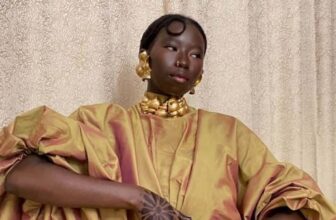
Cultural exchange is another area where social media reshaped fashion perception. Styles from different parts of the world are now visible to a global audience. Traditional clothing, local fabrics, and cultural symbols reach people who may never travel to those places.
This visibility can celebrate diversity, but it also raises questions about respect and appropriation. Social media users are quick to call out misuse of cultural elements, which has forced brands and individuals to be more thoughtful. Fashion is now tied closely to identity and history, not just appearance.
The way fashion shows are experienced has changed, too. Once limited to invite-only guests, fashion weeks are now streamed, clipped, and discussed online in real time. Viewers can react instantly, share opinions, and even influence how collections are received.
Designers are aware that their work will be judged not only by critics but by millions of users. This has encouraged some to create more visual moments that work well on screens. Clothes are designed not just to be worn but to be photographed and shared.
Personal Style Development
Social media also reshaped personal style development. Many people now learn how to dress through online content. Tutorials on styling, fabric care, and outfit planning are widely available.
This education was once limited to those working in fashion or reading specialized publications. Now, anyone can learn how to build a wardrobe that suits their body, lifestyle, and budget. This access empowers people to make informed choices rather than blindly following trends.
 Photo Courtesy
 The rise of short-form video changed how fashion is consumed. Moving images show how clothes behave in real life, how they fit different bodies, and how they can be styled in multiple ways.
This format feels more honest than static photos. It allows creators to tell stories through outfits, linking fashion to mood, music, and daily routines. As a result, fashion content feels more emotional and connected to real experiences.
Brands had to adapt to this new reality. Traditional advertising feels less effective when users value authenticity. Many fashion brands now collaborate with creators, listen to feedback, and adjust products based on online reactions.
Social media comments can influence future designs, pricing, and messaging. This two-way communication changed the relationship between brands and consumers. Fashion is no longer a lecture; it is a conversation.
 Photo Courtesy
 However, this constant conversation also brings challenges. Trends rise and fall quickly, leading to shorter product life cycles. People may feel the need to keep up, buying more than they need. This speed can reduce the emotional connection to clothing.
When something feels outdated after a few weeks, it loses its meaning. Social media created excitement but also restlessness. Finding balance becomes important for those who want to enjoy fashion without feeling overwhelmed.
Another shift is how success in fashion is measured. Likes, shares, and followers now act as indicators of relevance. A fashion designer or brand with a strong online presence can gain opportunities faster than one without. This focus on numbers can be motivating but also limiting.
Creativity sometimes competes with what performs well online. Fashion risks becoming shaped by algorithms rather than vision. Still, many creators use these platforms to push boundaries and share unique ideas despite the pressure.
Social media also changed how fashion history is remembered. Old trends resurface quickly because archived images and videos are easy to find. Styles from past decades are constantly reinterpreted. This creates a cycle where nothing truly disappears.
Fashion feels less linear and more like a loop. Younger generations mix old and new influences freely, creating looks that feel personal rather than tied to one era.
For everyday people, fashion has become part of identity storytelling. Outfits are used to communicate mood, values, and belonging. Social media profiles act as visual diaries where clothing plays a key role. This makes fashion more meaningful but also more exposed.
People curate how they want to be seen, which can blur the line between genuine expression and performance. Still, this visibility allows many to find communities that share similar tastes and experiences.
 Photo Courtesy
 In many ways, social media democratized fashion. It gave voice to those who were once excluded and challenged old rules. You no longer need approval from industry gatekeepers to be seen as stylish.
Creativity, confidence, and consistency can build influence. At the same time, this openness requires responsibility. The power to shape trends and opinions now belongs to millions, not a few.
Looking ahead, social media will continue to shape how fashion is seen and experienced. New platforms will emerge, and technology will change how clothes are presented. Virtual try-ons, digital outfits, and online fashion spaces are already growing. Yet, the core change remains the same. Fashion is no longer distant. It lives in daily life, shaped by real people sharing real perspectives.
Social media did not just change fashion marketing. It changed the fashion meaning. Clothes are no longer only about covering the body or following trends. They are tools for connection, conversation, and self-definition.
The way we see fashion now is broader, faster, and more personal than ever before. Whether this change feels exciting or exhausting depends on how each person chooses to engage. What is clear is that fashion will never return to the quiet, controlled world it once was. Social media opened the door, and there is no closing it.
Photo Courtesy
You May Also Like:
The Problem With Dressing for Labels Instead of Yourself
January 13, 2026Luxury Fashion Is More Than Just A High Price Tag
January 13, 2026Your Ultimate Guide to the 2026 Fashion Trends
January 8, 2026What Is Colour Blocking in Fashion? A Simple Guide to Wearing the Trend
December 24, 202523 Fashion Movies on Netflix to Add To Your Watch This Holiday
December 24, 2025Chanel Took Over The New York Subway for it's 2026 Métiers d’art Collection
December 3, 2025The Best Statement Accessories for Brown Skin Tones
December 2, 2025Fashion Awards 2025: See The Names Of All The Winners
December 2, 2025The Return of Velvet and Satin Dresses for Christmas Party
December 1, 202512 Fashion Trends You Should Stop Wearing In 2026
November 24, 2025The Festive Power of Metallic Jumpsuits
November 18, 2025Who Is Model Awar Odhiang? Everything You Need To Know
October 30, 2025


Esther Ejoh is a Fashion Editor at Fashion Police Nigeria, where she writes all things fashion, beauty, and celebrity style, with a sharp eye and an even sharper pen. She’s the girl who’ll break down a Met Gala look one minute, rave about a Nigerian beauty brand the next, and still find time to binge a movie or get lost in a novel. Style, storytelling, and self-care? That’s her holy trinity.