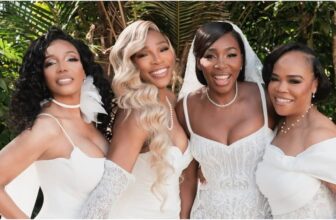
When you think of a bride walking down the aisle, what do you picture? Chances are, she’s wearing a white wedding dress; elegant, flowing, maybe with lace or sequins, a veil trailing behind her. That image is so deeply rooted in global pop culture that it almost feels like a rule.
White wedding gowns are so common today that it’s easy to believe brides have always worn them. But here’s the truth: white wedding dresses haven’t always been the norm. And more importantly, there’s absolutely no rule that says they have to be.
As wedding traditions evolve, so do the expectations that come with them. From multicultural celebrations to civil ceremonies and destination elopements, today’s weddings are more personalized than ever. Yet, many brides still feel quietly pressured to stick with the “classic white gown,” even when it doesn’t align with their style, culture, or personality.
So, where did the white wedding dress tradition come from? Why is it so widespread, and what does it really mean? Is it about purity, fashion, royalty—or just routine? And in today’s world, must every bride still wear white to be considered a “real” bride?
Ahead, we will take a deep dive into the origin of the white wedding gown, the meanings associated with it, and the growing trend of brides choosing other colors that reflect their personal style, culture, and individuality. This piece is your full guide to answering one simple, yet powerful question: Must the bride wear white?
A Brief History of the White Wedding Gown
The white wedding dress became widely popular in the 19th century, thanks to Queen Victoria of England. Before her 1840 wedding to Prince Albert, brides didn’t have a specific dress code. They wore their best clothes, regardless of color. Wealthier brides sometimes wore silver, gold, or even deep jewel tones to signify their family’s status.
Queen Victoria chose to wear a white silk-satin dress trimmed with Honiton lace. At the time, white was an unusual color for a wedding. It was expensive to produce and difficult to clean, which made it a bold choice. But it captured the imagination of the public, and portraits of the Queen’s wedding dress circulated in newspapers and paintings. Soon, white gowns became associated with status, fashion, and femininity.
By the early 20th century, white had become the standard for brides in Western countries, especially in England and the United States. It was further popularized by Hollywood films, bridal magazines, and global fashion houses. Today, white is still the dominant bridal color in many parts of the world, but that doesn’t mean it’s the only option.
The Meaning Behind the White Dress
Over the years, white became associated with purity, virginity, and innocence. These ideas were reinforced by religious traditions and cultural expectations. But historically, the color white had more to do with wealth and luxury than morality.
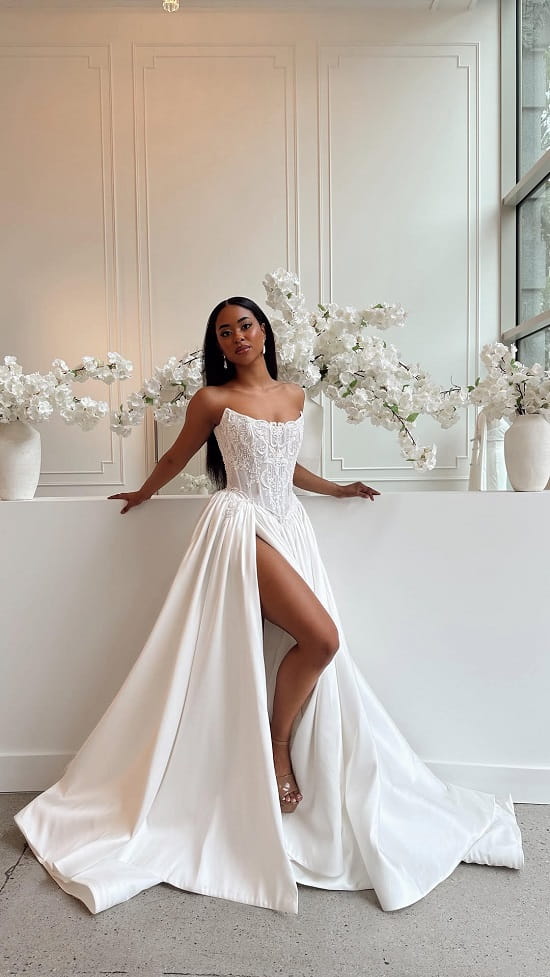 Photo: Instagram/thebridalstudioutah
 In Christian weddings, white is often seen as a symbol of holiness and new beginnings. The idea is that the bride, dressed in white, represents a pure soul entering into a sacred union. However, this meaning is more of a cultural interpretation than a universal truth. In many cultures, white doesn’t symbolize purity at all; in fact, it can mean the opposite.
For example, in parts of Asia, white is the color worn at funerals, symbolizing mourning. In these cultures, red is the color of celebration and good fortune. This highlights an important point: color symbolism changes based on culture, history, and personal interpretation. What white means in one place could mean something entirely different in another.
Must a Bride Wear White?
There is no law, religious mandate, or bridal requirement that says a bride must wear a white wedding gown. While it’s still a popular and safe choice, it’s not the only one. Today’s brides have more freedom and flexibility than ever before when it comes to fashion.
Some women feel empowered by wearing white and love the classic, timeless look. Others feel like it doesn’t reflect their personality, culture, or values. The modern bride is not bound by tradition; she can choose what feels right for her, whether that’s white, ivory, blush, red, blue, or black.
In fact, weddings have become more personalized in every way, from the venue and music to vows and dresses. Brides are encouraged to express themselves. And what better way to do that than by wearing a color that feels meaningful?
 Photo: Instagram/Zayoma
 There’s also the growing awareness that not every bride fits the cookie-cutter image of “innocence” or “tradition.” Many are older, remarrying, or celebrating love on their own terms. In these cases, white may not feel relevant, and that’s completely okay.
Common Reasons Brides Choose Not to Wear White
There are many personal, cultural, and even practical reasons why some brides avoid wearing white. These reasons are valid and often rooted in identity, creativity, or circumstances.
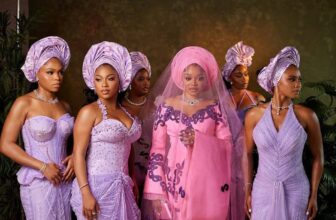
One major reason is cultural tradition. In India, brides traditionally wear red or maroon sarees, often heavily embroidered with gold thread. In Nigeria, brides wear beautifully tailored ensembles in bright colors, often made from lace, aso-oke, or ankara fabrics. In China, red is the color of luck and joy, making it a popular wedding choice. These cultures have long-standing traditions that differ from the Western white gown ideal.
Personal style is another motivator. Some brides are fashion-forward and want to make a statement. They choose colors or styles that match their vision for the day. A pastel pink ball gown, a black lace mermaid dress, or a blue floral two-piece suit; all are increasingly popular. Not all brides dream of looking like Cinderella.
Practicality also plays a role. White dresses, especially high-end ones, can be expensive and difficult to maintain. For outdoor weddings, destination ceremonies, or casual settings, a white dress may not be the most convenient option. And for brides on a budget, choosing a non-traditional color or re-wearing an existing dress can save money without sacrificing style.
Finally, some brides reject the symbolism of white. They see it as outdated or not reflective of their values. They want their wedding to feel authentic, not performative. Wearing a color that feels empowering, joyful, or culturally significant is part of reclaiming the moment.
Wedding Dress Colors and What They Represent
For brides interested in symbolism, here’s a quick guide to popular wedding dress colors and what they traditionally represent:
- Ivory or Champagne: These are softer alternatives to pure white and are often seen as more flattering. They symbolize elegance, calmness, and maturity.
- Blush or Rose: Romantic and delicate, pink hues represent love, gentleness, and warmth.
- Red: In many cultures, red is the color of celebration, passion, and prosperity.
- Blue: Blue symbolizes peace, stability, loyalty, and trust. It’s also tied to the old tradition of “something blue.”
- Green: Associated with nature, fertility, and new beginnings.
- Purple: Historically linked to royalty, mystery, and creativity.
- Black: Once taboo for weddings, black dresses now represent strength, elegance, and individuality.
Of course, these meanings are flexible. What matters most is what the color means to you personally.
Popular Alternatives to White Wedding Gowns
Many brides are breaking away from the white dress tradition and choosing looks that are bold, meaningful, and true to their identity. Here are some beautiful and inspiring white wedding dress alternatives.
- Colored Gowns
From red to blue to emerald green, colored gowns are growing in popularity. They’re perfect for themed weddings, cultural celebrations, or just making a fashion statement. Designers are increasingly offering bridal collections with multiple color options.
- Floral Prints and Patterns
A floral wedding dress adds a romantic and whimsical feel, especially for outdoor, garden, or spring weddings. Whether it’s soft pastel blooms or bold botanical prints, this option offers something truly unique.
- Black Wedding Dresses
Once considered unconventional, black gowns have entered the bridal mainstream. Black wedding gowns are dramatic, fashion-forward, and a favorite for brides who love gothic, alternative, or minimalist styles.
 Photo Courtesy
 - Two-Piece Sets and Jumpsuits
Not every bride wants a gown. Two-piece bridal sets and jumpsuits offer a modern, chic, and often more comfortable alternative. Jumpsuits are ideal for courthouse weddings, second weddings, or fashion-forward brides.
- Traditional and Cultural Attire
Brides may choose to wear clothing tied to their heritage, like a Nigerian iro and buba, an Indian lehenga, a Korean hanbok, or a Chinese qipao. These outfits are often colorful, symbolic, and deeply meaningful.
- Vintage or Heirloom Dresses
Some brides wear a vintage dress passed down from a relative, or they shop for retro styles from past decades. This is not only eco-friendly but also adds sentimental value and uniqueness.
How to Choose the Right Wedding Dress for You
Choosing your wedding dress is one of the most personal decisions you’ll make while planning your big day. It doesn’t matter if you’re wearing white or not; the key is to feel confident, beautiful, and comfortable.
 Photo: Sophan Theam Photography
 Start by thinking about your wedding setting. An elegant ballroom might call for a formal gown, while a beach ceremony may be better suited to something flowy and lightweight. Your theme, weather, and season can all influence your choice.
Next, consider your personality and style. If you’re bold and artistic, maybe a bright or patterned dress fits you better than a classic white gown. If you’re more traditional or romantic, ivory or champagne might strike the perfect balance.
Don’t forget to think about your body type and what silhouettes make you feel your best. A-line, mermaid, sheath, ball gown; there are endless styles to explore. Visit bridal boutiques, try different looks, and be open to unexpected favorites.
Most importantly, tune out the noise. Trends, social media, family opinions, they all matter, but not more than your own voice. It’s your moment. Dress in a way that makes you smile every time you look back at the photos.
Across platforms like Instagram, TikTok, and Pinterest, more brides are sharing their non-white wedding looks and the stories behind them. Some opted for colorful dresses to match their personality. Others wore traditional attire to honor their culture. And many chose something alternative simply because it felt more “them.”
Bridal influencers and fashion-forward celebrities have also embraced this shift. From Sarah Jessica Parker’s grey gown to Chrissy Teigen’s red wedding dress reception change, famous brides are proving that white is just one option among many.
This new wave of self-expression is helping brides everywhere feel freer, more seen, and more excited about their big day.
Your wedding day is a celebration of love, partnership, and new beginnings. There are no strict rules about what that should look like. So wear what you love. Be confident in your choice. And walk down the aisle knowing that the best dress for you is the one that makes you feel amazing.
Photo: Instagram/Zayoma
You May Also Like:
Venus Williams Marries Her Partner Andrea Preti in Very Italian and Florida Weddings
December 24, 2025Why Every Bride Should Have an Emergency Kit
October 6, 2025Selena Gomez Shares the Up Close Photos of Her Dreamy Wedding Reception Dress
October 1, 2025What are the Duties of a Bridesmaid in Nigeria?
September 29, 2025Selena Gomez and Benny Blanco Are Married: Inside The Intimate Wedding Ceremony
September 28, 2025Temi Otedola Wore So Many Dresses During Her Multi-Country Wedding To Mr Eazi
September 6, 2025This Bride Planned Her Wedding and also did Her Wedding Hair
September 2, 2025Everything You Need to Know About a Bridal Trousseau
August 25, 202518 Bridesmaid Photos Every Bridesmaid Should Not Forget to Take
August 1, 2025This Bride Designed Her Wedding Gown After Trying Over 200 Dresses
July 4, 2025This Bride Found Her Dream Dress in a Gown with Floral Appliques
May 28, 2025This Bride Proved That You Can Wear Braids on your Wedding Day
May 12, 2025


Esther Ejoh is a Fashion Editor at Fashion Police Nigeria, where she writes all things fashion, beauty, and celebrity style, with a sharp eye and an even sharper pen. She’s the girl who’ll break down a Met Gala look one minute, rave about a Nigerian beauty brand the next, and still find time to binge a movie or get lost in a novel. Style, storytelling, and self-care? That’s her holy trinity.