Hanifa, a fashion brand with a dedicated following, is pausing production until further notice.
Founded by Anifa Mvuemba, Hanifa is known for bold, body-positive designs that celebrate curves and colour. Recently, the brand announced a pause in production, drawing significant industry attention.
This decision, made after considering growth, personal impact, and customer feedback, highlights the challenges of building a Black-owned fashion brand. Increased interest in “Hanifa pause” and “Anifa Mvuemba hiatus” reflects the significance of this development and the reactions it has generated across social media. This pause underscores the difficulties of scaling in the current fashion industry.
The Rise of Hanifa: From Humble Beginnings to a Cult-Following Brand
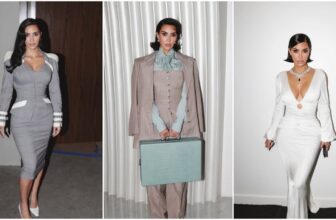
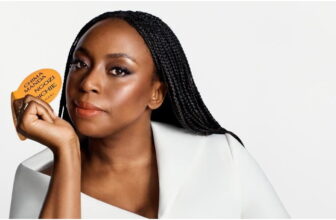
Hanifa was founded in 2011 by Anifa Mvuemba, a self-taught designer of Congolese descent, in Maryland. The brand quickly gained recognition for its form-fitting garments, vibrant aesthetics, and commitment to inclusive sizing up to 3X.
During the COVID-19 pandemic, Mvuemba gained international attention with a 3D virtual fashion show in 2020. High-profile figures such as Lizzo, Tracee Ellis Ross, and Zendaya have worn Hanifa designs, reinforcing the brand’s reputation for luxurious, curve-focused womenswear.
 Photo: AB+DM
 For nearly 15 years, Hanifa has represented empowerment, especially for Black women, combining cultural pride with modern elegance. Initiatives such as “Hanifa Friday” sales attracted significant online attention. However, as the brand expanded, it faced increased pressures, including manufacturing delays, supply chain issues, and heightened public expectations. These challenges contributed to the recent decision to pause production.
The Backlash: Shipping Delays and Customer Frustrations
The November 2025 Hanifa Friday sale, which offered a 45% discount on select preorder items, generated high demand. Production issues at manufacturers led to significant delays, with some orders taking months to fulfil. Customers expressed concerns on platforms such as TikTok, Instagram, and YouTube, citing missed events, communication challenges, and inconsistencies in fabric or sizing.
The backlash intensified and became personal toward Mvuemba. Allegations of favouritism toward influencers emerged, and the discussion highlighted broader challenges faced by Black-owned businesses. As one X user noted, “a lot of those coming to her defence are putting the onus to gaf about the financials of the business, and that is ONLY a talking point bc the customer base is black.”
In December 2025, Mvuemba was managing postpartum recovery while addressing the crisis. She issued apologies, expedited shipments, and provided refunds, confirming that all orders were eventually fulfilled. Despite these efforts, the emotional strain remained, highlighting the limited tolerance often extended to Black women founders in fashion.
The Announcement: A Candid Pause for Reflection
On March 2, 2026, Mvuemba shared a vulnerable statement via email to customers and media outlets, announcing Hanifa’s indefinite pause on production and restocks. “We’re pressing pause. The last season stretched us in ways I’m still processing,” she wrote.
In her full statement to The Cut, Mvuemba opened up further: “I don’t really feel inspired right now. I don’t want to rush just to prove resilience. I don’t want to pretend everything is fine just to keep momentum. The years I’ve poured into building this. The time away from friends and family. The moments with my children I won’t get back. Is it all worth it? Was it? I don’t have a perfect answer.”
This is not a full shutdown; the website remains active, and existing inventory is still available. The pause is a deliberate step to reflect, recharge, and redefine the brand. Mvuemba emphasised the importance of self-care, a perspective that resonates in an industry that often demands perfection from independent designers. While other brands have paused for sustainability reasons, Hanifa’s situation highlights the unique pressures faced by Black-owned labels.
Social Media Reactions: Support, Criticism, and Empathy
The announcement generated significant discussion on social media, particularly on X (formerly Twitter), where users analysed the decision. Many expressed support for Mvuemba and the brand. One post stated, “You can never make me hate Hanifa!” while another described her response as “thoughtful + moving.” Media outlets such as AfroTech and Essence covered the story, with users sharing links and commenting on the community’s solidarity.
However, some feedback was critical. Certain customers remained dissatisfied, as reflected in one X post: “I don’t really understand the emotional side around Hanifa pausing production. Like yeah, people were angry over delays… But despite it all, the positive reviews are a whole lot.”
Others criticised the expectations placed on Black businesses: “With black businesses u are expected to be understanding no matter how you are treated.” Additional comments such as, “TOOO LATEEEE it took social media to be in an uproar,” reflected ongoing frustration over the delays. Overall, the conversation combined empathy for Mvuemba’s challenges with calls for accountability, highlighting the complex dynamics between consumers and brands in the digital era.
Photo: Instagram/anifam