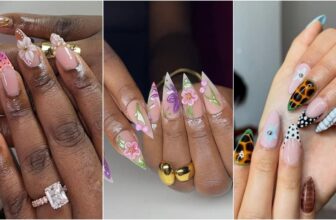
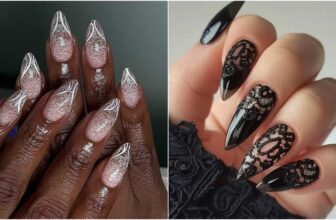
On September 1, 2025, the European Union officially banned a key ingredient found in many gel nail polishes, a substance called trimethylbenzoyl diphenylphosphine oxide, or TPO. This chemical has long been prized in the beauty industry because it allows gel polish to cure quickly under ultraviolet or LED light, producing a glossy, durable finish that resists chipping for weeks.
Gel manicures have been popular worldwide for decades, offering a longer-lasting alternative to traditional nail polish, and TPO has been at the center of their appeal. But despite its widespread use, European regulators have decided that the potential health risks of TPO are too great to ignore.
TPO is what chemists call a photoinitiator, a compound that reacts to light to harden gel polish during the curing process. Its ability to create a high-shine, resilient finish has made it a favorite among salons and consumers alike. Beyond nail products, TPO is also used in industrial coatings, adhesives, and dental materials, highlighting its versatility and widespread application.
The ingredient’s popularity in nail products is easy to understand. Traditional nail polishes can chip within days, but gels hardened with TPO can last two weeks or more without losing shine. This performance made TPO one of the key reasons gel polish became the standard for durable manicures in salons across Europe, Africa, and beyond.
 Photo: Instagram/glossytipped
 Despite its benefits for durability and aesthetics, scientific studies have raised concerns about TPO safety. Research on laboratory animals has shown that exposure to TPO can lead to potential liver toxicity, lung issues, and, most notably, reproductive harm. The European Chemicals Agency reviewed these findings and classified TPO as a substance of very high concern, labeling it potentially carcinogenic, mutagenic, or toxic to reproduction. This classification triggered a swift response under European cosmetic regulations, leading to a total ban on TPO in nail products across all member states and associated countries such as Norway and Switzerland.
Under the European Union’s cosmetics regulation, once a substance has this classification, it cannot be used in products intended for consumers. The ruling left no wiggle room and no transitional period. From September 1 onward, no TPO-based nail polish could be sold, marketed, or applied within the European Union or associated countries such as Norway and Switzerland. Even products that had already been purchased by salons or distributors had to be withdrawn and destroyed.
For many dermatologists and toxicologists, the EU’s decision was not entirely surprising. Europe has long been known for its precautionary approach to cosmetic regulation. If a chemical poses potential risks, even without definitive human evidence, the EU tends to err on the side of caution.
In the case of TPO, authorities determined that the possible consequences for reproductive health were serious enough to justify immediate action. From the first day of September, salons across Europe were required to remove any gel products containing TPO from their shelves and replace them with alternatives that meet safety standards.
 Photo: Instagram/bynatashad
 Many brands have already introduced TPO-free alternatives, ensuring that customers can continue to enjoy long-lasting manicures while avoiding the potentially harmful ingredient. Some widely available TPO-free options include Manucurist, Aprés Nail, and OPI’s Intelli-Gel system.
While the cosmetic performance of these reformulated products may be slightly different, many salons and consumers have found them to be comparable in quality and finish. For clients, the ban provides reassurance that European regulators are actively prioritizing health and safety, even in the absence of conclusive human studies.
 Photo: Instagram/heluviee
 As the European market adjusts, other regions of the world are watching closely. For Africa, the question of whether similar action will be taken is more complex. The African beauty industry, particularly the nail and gel polish sector, has grown rapidly in recent years. Cities across the continent are seeing a boom in salons, with gel manicures becoming a staple of personal care.
Much of this market relies on imported products, including gels produced in Europe, Asia, and other regions. Because European manufacturers are now reformulating their gels to remove TPO, African salons and distributors are likely to begin receiving TPO-free products, even if no local legislation mandates it. This indirect influence means that European safety standards could shape African offerings simply through the supply chain.
Unlike Europe, most African countries do not have a central regulatory body overseeing cosmetic safety. This creates challenges in enforcement and oversight. While many salons and distributors strive to maintain quality standards, informal markets, counterfeit products, and parallel imports are common, which could result in TPO-containing gels still circulating despite the European ban.
Consumers and salon owners must therefore rely heavily on brand reputation and product sourcing to ensure safety. At the same time, local health authorities could seize this moment to develop clearer regulations for cosmetic safety, aligning local markets with international best practices while protecting public health.
Even without legislation, market forces, consumer preferences, and the importation of European-compliant products are already shaping the industry. Salons and distributors who adapt early stand to benefit, both in meeting rising safety expectations and in maintaining access to high-quality products. For consumers, the shift represents an opportunity to enjoy gel manicures with a greater sense of security about what goes on their nails.
 Photo: Instagram/finewinenails
 The potential for Africa to follow Europe’s lead in banning gel polish also intersects with growing consumer awareness. Social media, beauty influencers, and online education campaigns have made clients more conscious of the ingredients in their cosmetics.
Nail enthusiasts increasingly look for products that are not only stylish but also safe for long-term use. This awareness can drive demand for TPO-free gels, encouraging salons to stock safer alternatives even before any government mandates are introduced.
Europe’s decision to ban TPO marks a significant moment in the global beauty industry, reflecting a willingness to prioritize health over convenience or tradition. Africa, with its dynamic and growing beauty sector, is positioned to follow in some form, whether through market-driven changes or eventual regulation.
While it may take time for formal bans to appear, the influence of European standards is already being felt, and African salons and consumers may soon find themselves navigating a world where safer, TPO-free gel polishes are the new norm.
For now, African salons and consumers watch and adapt, navigating a market where safety, style, and global trends intersect. Will Africa formalize regulations like Europe, and ban gel polish, or will it chart its own path in balancing beauty innovation and consumer health? No one knows.
Photo: Instagram/glossytipped
You May Also Like:
16 Nigerian Nail Artists Creating Some of the Most Detailed Sets on Instagram
March 20, 2026The 2026 Nail Trends You Should Know
January 29, 202635 Sweet and Romantic Valentine Nail Ideas You’ll Want to Bookmark
January 26, 202611 Lace Nail Ideas for the Perfect Vintage Manicure
January 19, 2026You Can Now Change Your Nail Colours with an App
January 13, 202617 Gold Nail Ideas You'd Want to Wear Now
December 27, 2025What You Need to Know About Nail Breakage: Causes and Solutions
December 22, 2025The Holiday Nail Polish Shades Everyone Is Wearing
December 17, 202514 Chic Ways to Wear Pantone's Cloud Dancer on Your Nails
December 9, 202511 Cute Halloween Nail Ideas To Enhance Your Spooky Look
October 8, 2025The Nail Shapes Everyone Will Be Wearing This Season
October 6, 202521 Skittle Nail Ideas That'll Give Your Manicure An Instant Upgrade
September 29, 2025


Esther Ejoh is a Fashion Editor at Fashion Police Nigeria, where she writes all things fashion, beauty, and celebrity style, with a sharp eye and an even sharper pen. She’s the girl who’ll break down a Met Gala look one minute, rave about a Nigerian beauty brand the next, and still find time to binge a movie or get lost in a novel. Style, storytelling, and self-care? That’s her holy trinity.