Embracing 4C natural hair is an exciting adventure into self-love, discovery, and a deeper connection to your unique beauty. While the path may require understanding, patience, and a dedicated routine, the rewards of maintaining your 4C hair are immeasurable.
Known for its tight, densely packed curls, 4C natural hair can often feel dry, brittle, and fragile, making it one of the more challenging textures to care for. But don’t let that discourage you; once you crack the code, 4C hair is nothing short of magnificent. It’s a texture that can grow thick, long, and healthy, showcasing versatility and richness that’s truly one-of-a-kind.
Learning to care for your 4C natural hair is like unlocking a secret world, one where moisture retention, choosing the right products, and mastering gentle detangling are your golden keys to success.
Each strand of your hair is unique, and understanding how to nurture and protect it properly will ensure your curls not only thrive but also flourish. From preserving moisture to exploring protective styles that shield your strands, every step in your 4C hair care journey plays an important role in its growth and vitality.
Ahead, we’ll explore everything you need to know to care for your curls from expert tips to proven techniques that will leave your hair healthier, stronger, and more beautiful than ever before.
What is 4C Hair?
4C natural hair refers to the hair texture that falls under the 4th category in the hair typing system. It is known for its densely packed, tightly coiled strands that form a zigzag or Z-shaped curl pattern. This hair type is often the most fragile, and its coils tend to have a higher level of shrinkage, sometimes shrinking up to 75% of their length when wet.
This hair type is also prone to dryness because the natural oils produced by the scalp have a harder time traveling down the length of each strand due to the tight curls. Therefore, maintaining moisture is critical for the health of 4C natural hair.
Understanding Your 4C Hair
Before diving into product recommendations and styling techniques, it’s important to fully understand the properties of 4C hair. Recognizing the challenges and strengths of this hair type will help you develop an effective care routine.
Key Characteristics of 4C Hair:
- Tight Curl Pattern: The coils are dense and very compact. They form a “Z” shape, making them much smaller and tighter than other hair types.
- Shrinkage: 4C hair often shrinks significantly when wet, which is a natural protective mechanism. Shrinkage can make it seem as though the hair is much shorter than it is.
- Dryness: The tightly coiled structure of 4C hair makes it difficult for moisture to travel from the scalp to the ends. This results in a higher tendency for dryness, making hydration essential.
- Fragility: 4C hair can be more delicate and prone to breakage due to its tight curl pattern, so handling it with care is essential.
Understanding these features will guide you in taking the best care of your natural hair.
Building a Solid Hair Care Routine
A consistent hair care routine is key to maintaining healthy, thriving 4C natural hair. Below are the critical steps to include in your regimen.
1. Cleansing Your Hair
Cleansing your hair is necessary to remove buildup, but with 4C hair, it’s important not to over-wash. Too much shampooing can strip away the natural oils that keep your hair moisturized.
For 4C hair, washing once a week or every two weeks is generally recommended. You can adjust based on your scalp’s needs. If you have buildup or product residue, you may need to cleanse more often. But be sure to avoid over-cleansing, as it can dry out the hair.
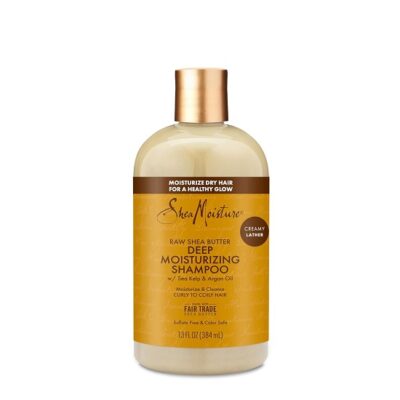
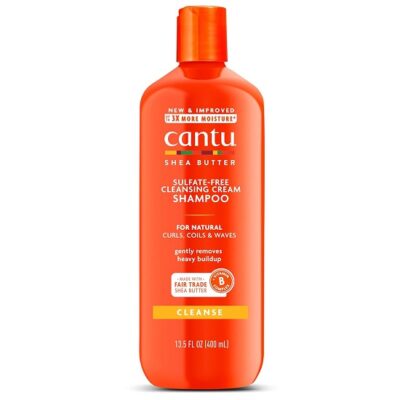
Choose sulfate-free shampoos to prevent stripping natural oils. Sulfates are harsh detergents that can dry out natural hair, leaving it brittle and frizzy. Look for shampoos with moisturizing ingredients like shea butter, aloe vera, or coconut oil to keep your hair hydrated during the cleansing process.
2. Deep Conditioning
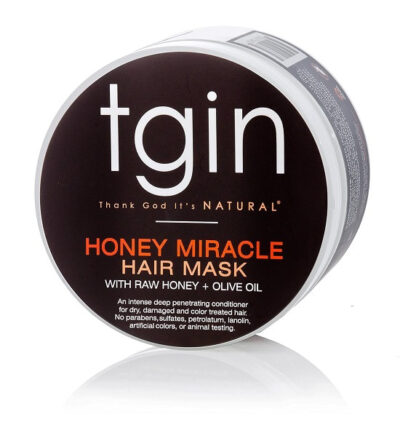
Deep conditioning is a non-negotiable step for 4C hair, as it helps restore moisture and prevent breakage. Because of the tight coils in 4C hair, moisture has a harder time reaching the ends, so deep conditioning ensures that the hair stays hydrated and strong.
Deep condition once a week or every two weeks, depending on your hair’s dryness and damage levels. You can increase this frequency if your hair feels particularly dry or damaged.
Apply a generous amount of conditioner to damp hair, ensuring every strand is covered. For better absorption, consider using heat. You can wrap your hair in a plastic cap and sit under a hooded dryer or use a heat cap to help the conditioner penetrate deeply. Focus on the ends of your hair, as they are usually the driest and most prone to splitting
3. Moisturizing and Sealing
Moisture is the foundation of healthy 4C hair. Without proper moisture, your curls can become dry and frizzy. Moisturizing and sealing the hair helps to lock in hydration and maintain the integrity of your natural curls.
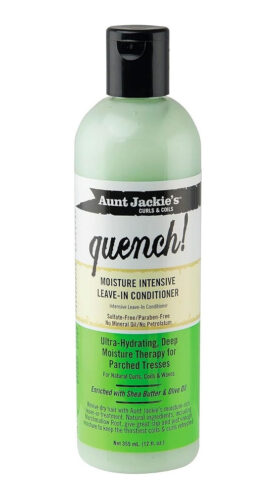
Leave-in conditioners or moisturizing creams should be used immediately after washing to provide long-lasting hydration. Look for products with glycerin, shea butter, and jojoba oil to add moisture without weighing down your curls.
 Photo: Instagram/Afroprincesses
 After moisturizing, seal the moisture with natural oils such as castor oil, argan oil, or olive oil. These oils form a protective layer around the hair, locking in moisture and preventing dryness. Apply oil sparingly to avoid making your hair greasy.
4. Protective Styling
Protective styles are a great way to safeguard your 4C hair from everyday manipulation, which can cause breakage. These styles protect the ends of your hair, which are the most fragile, while also giving your curls a break from constant styling.
Braids, twists, and bantu knots are excellent for maintaining the health of 4C hair. These styles protect the hair from environmental factors and reduce the need for daily styling. Wigs and weaves can also serve as protective styles, but it’s essential to give your natural hair time to breathe between installations.
Even in protective styles, it’s important to keep your scalp clean and moisturized. Use a light scalp cleanser or dry shampoo to refresh the scalp. Make sure to continue moisturizing your hair, especially if it’s braided or twisted, to prevent dryness.
Best Products for 4C Natural Hair
To achieve the best results for your 4C natural hair, choosing the right products is critical. Below is a list of must-have products that cater to the unique needs of 4C hair.
SheaMoisture Raw Shea Butter Moisture Retention Shampoo
Cantu Shea Butter Sulfate-Free Cleansing Cream Shampoo
Aunt Jackie’s Quench Moisture Intensive Leave-In Conditioner
TGIN Honey Miracle Hair Mask
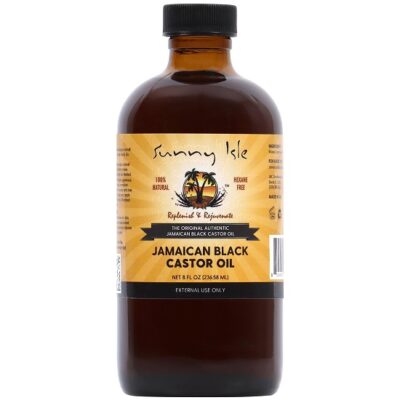
Sunny Isle Jamaican Black Castor Oil
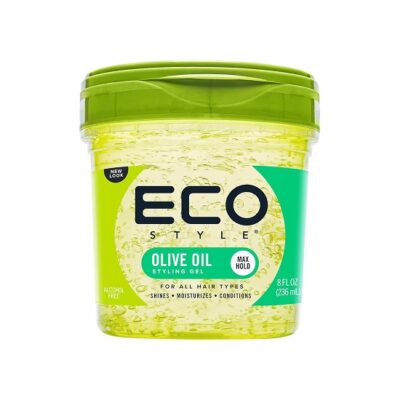
Eco Styler Olive Oil Gel
Tips for Maintaining Healthy 4C Hair
- Trim Regularly: Trim your hair every 6 to 8 weeks to prevent split ends and promote healthy growth.
- Avoid Excessive Heat: Heat can weaken the curl pattern and lead to breakage. If you use heat, apply a heat protectant.
- Detangle Gently: Use a wide-tooth comb or your fingers to detangle when your hair is damp and conditioned to minimize breakage.
- Protect Your Hair at Night: Wear a silk or satin scarf or use a satin pillowcase to reduce friction and prevent hair breakage while you sleep.
Common Mistakes to Avoid with Your 4C Hair
- Over-manipulation: Constantly combing or brushing 4C hair can cause unnecessary breakage. Keep manipulation to a minimum and allow your hair to rest.
- Skipping Moisture: Lack of moisture can lead to dry, brittle hair. Always make sure your hair is hydrated, especially after cleansing.
- Using Harsh Chemicals: Avoid products with alcohol or sulfates, as they can dry out and damage your curls.
Caring for 4C natural hair is a rewarding experience when done right. By establishing a regular routine that focuses on moisture, protection, and gentleness, your 4C hair will flourish. With the right products and consistent care, you can enjoy beautiful, healthy curls that are full of life and shine. Embrace your unique texture, experiment with different styles, and always remember that healthy hair is happy hair!
Photo: Instagram/Afroprincesses
You May Also Like:
18 Best Haircut Trends for 2026: Your Guide to Soft, Romantic, and Effortless Styles
March 26, 2026Cardi B Reveals Why Using Raw Garlic is Bad for Your Hair
March 25, 2026The Only Hair Colours to Wear this Spring
March 24, 2026The French Twist is Making a Chic and Glamorous Comback
March 23, 2026What the Braided Hairstyles on Sinners' Cast Really Mean
March 19, 2026Margot Robbie Just Made the Messy and Wet Bob Hairdo Covetable
March 10, 2026Teyana Taylor Oozes Style as She Debuts a Silver Hairstyle at the Chanel Fall/Winter 2026 Show
March 10, 202611 Best Curl Creams for Year-Round Bounce and Shine
March 9, 202615 Best Hairstyle Trends to Try This Spring
March 9, 2026The Japanese Bob is the New Minimalist Hairstyle to Wear in 2026
March 3, 202620 Covet-Worthy Balayage Highlight Hairstyles to Rock in 2026
February 27, 2026Money Piece Hair: Your Complete Guide and 17 Hairstyle Ideas
February 27, 2026


Esther Ejoh is a Fashion Editor at Fashion Police Nigeria, where she writes all things fashion, beauty, and celebrity style, with a sharp eye and an even sharper pen. She’s the girl who’ll break down a Met Gala look one minute, rave about a Nigerian beauty brand the next, and still find time to binge a movie or get lost in a novel. Style, storytelling, and self-care? That’s her holy trinity.