Beauty tells stories that history books sometimes overlook. For Africa, beauty has never been just about appearance. It has always carried weight: the weight of culture, heritage, spirituality, struggle, and pride.
To talk about African beauty representation is to open a window into centuries of shifts, each shaped by politics, social movements, and global influence. When we look at how African beauty has been seen and portrayed over time, we see more than changing styles; we see the resilience of a people and the ongoing journey toward self-definition. The changes over time reveal both loss and rediscovery, as well as suppression and celebration.
Long before the interference of outside forces, during the precolonial era, African beauty was celebrated in its natural form. Our beauty was deeply intertwined with traditions, community, and spiritual significance. Across different regions of the continent, hairstyles, body art, jewelry, and skincare were not just about looking good; they were part of identity and status.
Hairstyles could show which ethnic group someone came from, their social standing, or even their marital status. Body markings, scarification, and tattoos were not seen as flaws but as symbols of courage, strength, or rites of passage. Natural skin tones, dark complexions, and unique facial features were not compared against foreign standards. They were simply beautiful as they were.
No one doubted the worth of dark skin or the elegance of coily hair. These features were seen as gifts, not burdens. At that time, beauty was not separated from culture. It was part of life and respected as an art form.
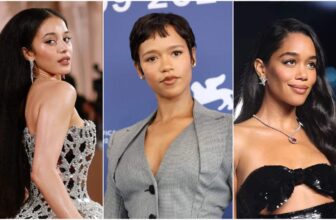
 Photo: Dailymail
 That foundation was shaken when colonialism imposed its own version of beauty. Suddenly, what had always been seen as valuable was dismissed. European standards began to dominate, pushing lighter skin, straight hair, and narrower facial features as the ideal. African features were described in degrading terms, and generations were taught to measure themselves against foreign mirrors.
Schools often punished children for wearing natural hairstyles and insisted that our African girls tame their hair. Churches insisted on modesty codes that erased traditional adornments. Workplaces rewarded conformity to Western grooming. Skin-lightening products, hair relaxers, and wigs spread widely.
Representation of Africans in the media was almost nonexistent, and when it did appear, it leaned on stereotypes. Beauty became a battleground, and many Africans felt pressured to hide their true selves just to gain acceptance.
Even so, culture found ways to resist. Mothers and grandmothers still braided hair in traditional ways during family gatherings. Festivals still displayed bright fabrics, beads, and henna designs.
Traditional ceremonies kept beauty practices alive even when public spaces suppressed them. This quiet resilience meant African beauty never disappeared completely. It simply waited for the right moment to rise again.
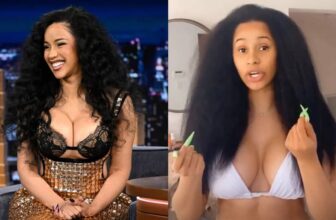
 Photo: National Geographic
 The wave of independence in the mid-20th century provided that moment. As nations reclaimed their political freedom, beauty became part of cultural freedom. Wearing natural hair became a declaration of pride. The Afro hairstyle exploded as a powerful global symbol of Black identity. It was no longer just fashion; it was protest, resistance, and pride rolled into one. African prints, once dismissed as “too native,” became emblems of national identity.
Musicians, activists, and students across Africa and the diaspora used their appearance to send messages: African beauty did not need validation from colonial standards. It was enough in itself.
Through the 1970s and 1980s, African beauty began breaking into global fashion and entertainment, though slowly. Models like Iman showed the world that African features could command international runways. Iman, one of the most iconic supermodels from Somalia, became a face that forced the fashion world to look at African features differently. She broke barriers in the 1970s and 1980s and inspired younger generations.
Yet despite her success, the fashion and beauty industry still often tokenized African models rather than including them fully. Skin-lightening products and hair-straightening treatments remained heavily marketed, which showed that the struggle between natural pride and imposed standards was far from over.
Advertisements still leaned heavily on Eurocentric ideals. Dark-skinned models were often overlooked, and many women felt forced to alter their looks to be accepted. Beauty representation was happening, but it was uneven and incomplete.
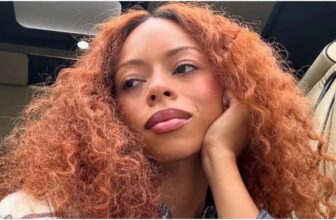
 Photo: Instagram/okayafrica
 Everything began to shift again with globalization and the arrival of new media. Satellite television introduced African fashion, music, and film to wider audiences. Nollywood grew into one of the largest film industries in the world, projecting African hairstyles, fashion, and makeup into millions of homes.
African musicians embraced their heritage in their videos and performances, blending modern style with traditional aesthetics. Still, the biggest transformation came with the internet.
The digital age gave Africans control of their image in a way that had never been possible before. Before, representation was controlled by magazines, television, and film industries that often excluded Africans or gave them very limited space. But when platforms like YouTube, Instagram, and later TikTok removed the gatekeepers and opened up, African voices could no longer be silenced.
Young African creators began to show their natural skin, hairstyles, and makeup styles to the world. Tutorials on how to care for coily hair flooded the internet. African makeup brands started gaining recognition, showing shades that matched deeper complexions that had long been ignored by global companies.
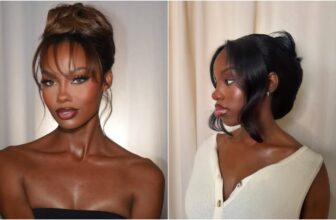
 Photo: @lupitanyongo/Instagram
 Social media made it possible for beauty trends born in Lagos, Accra, Nairobi, and Johannesburg to reach the entire world within hours. This global visibility was a turning point because it meant Africans were no longer waiting for validation from Western companies—they were creating their own stage.
This visibility sparked movements against old problems such as colorism. For decades, lighter skin was wrongly valued more than darker skin, creating a damaging divide. Skin-lightening products became dangerous but popular. Now, campaigns and public voices began to push back. Phrases like “Black is beautiful,” “Melanin Popping,” and “Black skin magic” became not just slogans but affirmations.
Dark skin was celebrated online with pride, reversing the harmful narratives of the past. Young people grew up seeing images that told them their skin, in its deepest shades, was beautiful. This change in representation has been one of the most powerful shifts in modern times.
Another significant shift was in the film and music industries. Nollywood, Afrobeats, and other cultural exports presented African beauty as chic, creative, and global. Artists like Tiwa Savage, Simi, Tems, Arya Starr, Tyla, and Yemi Alade showcased African hairstyles, beauty in general, and clothing in music videos watched across the world.
 Photo: @temsbaby/Instagram
 Films like Black Panther and Sinners celebrated African-inspired beauty on a scale that had never been seen before, making Afrofuturism and traditional aesthetics mainstream in Hollywood. These moments mattered because they corrected old stereotypes and replaced them with images of power, glamour, and pride. Representation was no longer limited to one or two famous models; it was everywhere, across different industries.
Hair also took center stage in these conversations. For generations, natural hair was seen as “unprofessional” in many schools and workplaces. But over the years, resistance grew. Movements across Africa and the diaspora challenged these unfair rules.
Braids, locs, afros, and twists began appearing in corporate offices, universities, and media spaces where they had once been banned. The natural hair movement not only boosted confidence but also built entire industries around African hair care. Local businesses thrived, making products tailored to African textures and proving that African beauty was not just cultural but also economic power.
In advertising, the changes are also visible. Big beauty companies that once ignored African complexions are now producing foundation shades that match a wider range of skin tones. While this should have been done decades ago, the pressure from African consumers forced the shift.
More African models are seen on billboards, magazine covers, and global campaigns. Local beauty brands are also rising, competing with global companies and often leading in innovation. The success of these brands shows that Africans do not have to rely solely on outside industries for representation. They are building their own.
But representation in the African beauty industry has not come without challenges. Some argue that while African beauty is more visible, it is sometimes commercialized or diluted for global appeal.
 Photo: @bettinahtianah/Instagram
 For instance, braids may appear on runways modeled by non-Africans without giving credit to their origin. African features may be praised on one person but mocked on another, depending on context. These contradictions remind us that representation in beauty is still a process, not a finished victory. True change requires respect, acknowledgment, and fairness, not just aesthetic borrowing.
On the positive side, the younger generation is leading with boldness. They do not wait for permission to wear their natural hair, dark skin, or traditional outfits. They use social media trends to reclaim narratives and spread them. For the younger generation, beauty is not only about looking good but also about expressing pride in being African.
The visibility of African beauty now reaches global levels that would have been unthinkable a century ago. Africans are setting trends, not just following them. From hairstyles to skincare, or from makeup to fashion, African beauty representation is influencing the global market in ways that prove its strength.
Looking at the long journey, it becomes clear that African beauty representation has been through cycles of celebration, suppression, resistance, and now revival. It began rooted in cultural identity, was nearly erased by colonial influence, fought back during independence movements, grew through global icons, and exploded into full visibility with digital platforms. Each stage added layers to what African beauty means today.
 Photo: Instagram/okayafrica
 Personally, I find this evolution inspiring because it shows resilience. To see how African people reclaimed what was once dismissed proves the power of identity. It also shows that beauty is never fixed; it adapts and transforms with time.
The celebration of natural hair, deep skin tones, bold fashion, and traditional art in today’s world feels like a victory not just for Africans but for everyone who values diversity. It also feels personal because the story of African beauty is tied to self-love, and that is something many people continue to struggle with. Representation matters because it shapes how young people see themselves in the mirror.
The journey is not over. There is still work to do to fight colourism, ensure fair representation in media, and protect African traditions from exploitation without recognition. But the progress made so far is powerful. African beauty has moved from being hidden and shamed to being celebrated and exported worldwide. That change is not small; it is historical. It gives the next generation a foundation of pride and creativity to build on.
As we look at the present, one thing is clear: African beauty representation today is stronger, louder, and more global than it has ever been. It carries the spirit of the past but also the innovation of the present.
It reminds the world that African identity is not something to be edited or replaced; it is something to be honored. And most importantly, it shows that beauty, when rooted in authenticity, has the power to heal wounds, rewrite stories, and inspire confidence for generations to come.
Photo Courtesy
You May Also Like:
Beyoncé’s New Cécred Launch Was Inspired by Blue Ivy & Rumi’s Hair
March 18, 2026Bella Hadid is the New Global Face of Prada Beauty
March 12, 2026The Best Beauty Looks From The Grammys 2026
February 2, 2026Why is Everyone Suddenly Obsessed with 2016 Beauty Trends?
January 26, 20262016 vs 2026 Beauty Trends: How Beauty Evolved in Ten Years
January 23, 2026The Best Beauty Looks From The 2026 Golden Globes
January 12, 2026Why Every Makeup Lover Needs a Spoolie Brush
December 15, 2025Quick Makeup Tips for Last-Minute Holiday Events
December 8, 2025SKIMS Beauty Just Announced Senegalese Diarrha N’Diaye as its New Executive VP
November 4, 2025Who Gets to Be Called Naturally Beautiful?
October 26, 2025The Rise of Henna-Inspired Nail and Makeup Trends
October 9, 2025The Secrets to Building a Beauty Brand
September 29, 2025


Esther Ejoh is a Fashion Editor at Fashion Police Nigeria, where she writes all things fashion, beauty, and celebrity style, with a sharp eye and an even sharper pen. She’s the girl who’ll break down a Met Gala look one minute, rave about a Nigerian beauty brand the next, and still find time to binge a movie or get lost in a novel. Style, storytelling, and self-care? That’s her holy trinity.