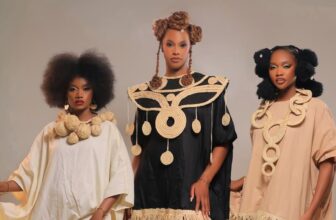
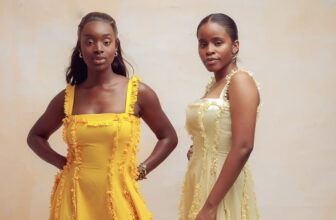
Africa’s diverse cultures and histories are reflected in its textiles, which serve as storytellers, status symbols, spiritual guardians, and living heritage.
While fabrics like Kente, Ankara, Adire, and Bogolanfini are internationally recognised, many other African textiles remain valued within their communities but are rarely known beyond them.
For example, you can hardly see these unpopular African fabrics in fashion campaigns, collections, and museum exhibitions, which has resulted in a narrow view of a continent that holds hundreds of distinct textile traditions.
These lesser-known fabrics showcase a wide range of weaving, dyeing, and embellishment techniques, often featuring local materials and motifs with significant cultural meaning.
Keep reading as we highlight 10 lesser-known African fabrics, each demonstrating the continent’s rich textile heritage. From bark-based cloths to intricate cutwork, these traditions deserve greater recognition in global fashion and design.
Whether you are a textile enthusiast, cultural explorer, or interested in authentic African heritage, these unique fabrics provide new inspiration.
Olubugo Barkcloth (Uganda)
The Baganda people of Uganda produce olubugo, a non-woven fabric made from the inner bark of the mutuba tree (Ficus natalensis).
 Photo Courtesy
 Artisans strip, soak, pound, and ferment the bark over several days or weeks, stretching it into supple sheets that resemble leather or felt. The finished barkcloth is naturally beige or brown and often decorated with hand-painted geometric patterns or stitched details.
Historically reserved for royalty, spiritual rituals, and burial shrouds, olubugo is recognised as UNESCO Intangible Cultural Heritage. Although production is threatened by modern alternatives, it remains an important link to pre-colonial craftsmanship and environmental balance.
Ndop (Cameroon)
Ndop is a resist-dyed indigo textile from the Bamileke and Grassfields regions of Cameroon, featuring bold geometric and symbolic patterns. Artisans tie or stitch raffia onto plain cotton, then repeatedly dip it in indigo to produce white designs on deep blue backgrounds. Common motifs represent power, fertility, and ancestry.
 Photo: Instagram/@clapstyle
 Ndop is used as a prestige fabric for chiefs and ceremonial occasions, similar to royal regalia. Its intricate resist techniques and cultural significance make it a lesser-known counterpart to other West African indigo textiles.
Ukara Ekpe (Nigeria)
Ukara ekpe is a sacred cotton fabric woven by Igbo communities in southeastern Nigeria, especially near Abakaliki. Reserved for members of the Ekpe secret society, it is dyed indigo and decorated with hand-painted or stamped nsibidi symbols, an ancient ideographic script. The cloth features motifs representing power, protection, and wisdom.
 Photo: Instagram/@vionnaculture
 Traditionally, only initiated men wear ukara ekpe as wrappers during rituals. Its restricted use and symbolic complexity keep it relatively unknown outside cultural circles, yet it represents one of Africa’s most sophisticated indigenous writing and textile systems.
Aso Olona (Nigeria)
Aso olona, related to the more familiar aso oke, is a luxurious handwoven Yoruba fabric from southwestern Nigeria. It is distinguished by intricate supplementary weft patterns resembling “eyes” or holes (olona means “eyes” in Yoruba). Woven on narrow looms from cotton or silk, it features floating threads that create textured, three-dimensional designs.
 Photo: Instagram/@africanaartscholars
 Historically worn by royalty and elites for special occasions, aso olona’s elaborate weaving process makes it rarer and more expensive than standard aso oke. Its understated elegance appeals to those seeking authentic, heirloom-quality African textiles.
Kuba Cloth (Democratic Republic of Congo)
Kuba cloth, produced by the Kuba people in central DRC, is made from palm raffia fibres handwoven into panels. These panels are then embroidered, appliquéd, tie-dyed, or cut-pile to create plush, velvety textures. Designs range from abstract geometric patterns to symbolic representations of nature and history.
 Photo: Instagram/@la_queen_kat
 Men weave the base, while women add elaborate surface decoration. Used as skirts, mats, or wall hangings, Kuba cloth was currency and a status marker. Its graphic boldness influences modern design, yet authentic pieces remain niche.
Isi Agu (Nigeria)
Isi agu (“lion head”) fabric, worn primarily by Igbo men in southeastern Nigeria, features bold printed or woven lion head motifs symbolising strength and leadership. Traditionally made of cotton, it is often used for ceremonial shirts, caps, and wrappers.
 Photo: Instagram/@isiagu_mperofabric
 Although isi agu has gained some popularity, it remains less internationally recognised than Ankara or Kente and is closely tied to Igbo cultural pride and chieftaincy traditions.
Souban Cloth (Niger)
Souban, made by the Zarma people of Niger, is a handwoven cotton textile featuring simple stripes or checks. Produced on narrow looms, it is naturally dyed and sewn into garments or household items.
 Photo: Instagram/@culturecivilisationniger
 Less ornate than neighbouring traditions, souban reflects everyday functionality and regional identity in the Sahel.
Country Cloth / Kondi-gulei (Sierra Leone / Liberia)
Mende weavers in Sierra Leone and Liberia produce thick, heavy country cloth from locally spun cotton strips sewn together. Dyed with natural indigo or mud, it features bold stripes or plaids.
 Photo: Instagram/@shapes_by_nelson
 Used for wrappers and blankets, this durable textile exemplifies rural craftsmanship and practicality.
Wolof Prestige Cloth (Senegal)
Wolof artisans in Senegal produce indigo-dyed damask or brocade prestige cloths using stitch-resist techniques to create spider-web or intricate patterns. These deep blue fabrics, layered with resist motifs, serve as status symbols.
 Photo: Instagram/@stevenj180
 Once widely traded, traditional versions have declined due to the use of synthetic dyes, making authentic pieces rare collectables.
Rabal Cloth (Senegal and Gambia)
Rabal cloth comes from the Manjak people of Senegal and Gambia. The textile features narrow woven strips joined together to create larger garments.
 Photo: Instagram/@lumineux_dkr
 Distinct colour combinations often signal identity within the community. Certain patterns historically represented social groups, ceremonial roles, or age categories.
The African fabric carried meaning beyond its decorative appearance. Rabal remains important in Manjak cultural ceremonies today.
Akwete Cloth (Nigeria)
Akwete cloth comes from the Ndoki clan of Akwete in southeastern Nigeria.
 Photo: Instagram/@shop_kaaya.ng
 While Akwete women were responsible for weaving, it was the men’s duty to construct the looms. Among the Akwete people, the cloth is used to signify wealth or power, and it is primarily worn by women as wraps or loincloths, though men do wear them occasionally, both for everyday use and for ceremonial purposes.
Despite the fabric’s use, Akwete cloth rarely appears in international fashion conversations compared with other popular Nigerian textiles.
Velours du Kasaï (Democratic Republic of Congo)
Velours du Kasaï, often called Kasai velvet, originates from the Kuba Kingdom in the Democratic Republic of Congo. Artisans produce the fabric using raffia fibres embroidered into thick geometric patterns.
 Photo: Instagram/@guilux_design_rdc
 Embroidered surfaces create raised textures that resemble velvet, which explains the name. Historically, members of Kuba royal courts used this fabric as a sign of wealth and status.
Seghosen Cloth (Nigeria)
Seghosen cloth comes from Owo Kingdom in Ondo State, Nigeria. The highly prestigious fabric features bold woven stripes and decorative motifs, and is known as one of the most expensive Yoruba textiles.
 Photo: Instagram/@duchessowokingdom
 Historically, Seghosen cloth was commonly worn at weddings, chieftaincy, and royal ceremonies. The textile signalled prestige within the kingdom. Today, the unpopular African fabric appears mostly during traditional celebrations and in ceremonial costumes.
Korhogo Cloth (Côte d’Ivoire)
Korhogo cloth originates from the Senufo people of Côte d’Ivoire. Artists paint symbolic figures and animals onto woven cotton using natural pigments.
 Photo: Instagram/@akem_photography
 Designs are schematic, highlighting essential features without going into detail. These designs may be marked by black or brown colour representing ritual scenes or animals.
Djerba Cloth (Tunisia)
Djerba cloth comes from artisans on the Tunisian island of Djerba. Designs often feature bold colours and geometric patterns. Some styles are heavily embroidered, reflecting ancient traditions.
 Photo: Instagram/@ichraqqamar
 Known for vibrant, often striped, and geometric patterns, this unpopular African fabric is commonly used for scarves, foutas (towels), and traditional garments. Despite its regional importance, the textile rarely appears in international fashion conversations.
Africa’s textile heritage includes a wide range of techniques, from bark pounding and thread removal to resist dyeing and symbolic embroidery. These 10 lesser-known fabrics demonstrate ingenuity, cultural depth, and adaptation across diverse regions. As global interest in sustainable, handmade, and meaningful fashion increases, these textiles offer ethical alternatives and new inspiration.
Preserving these traditions requires supporting artisans, documenting techniques, and raising awareness. When seeking unique textiles, consider Africa’s lesser-known fabrics, each offering stories of resilience and beauty.
Photo: Instagram/@tala_niang
You May Also Like:
13 Raffia-Made Dresses That Are Anything But Boring
April 2, 20267 Emerging Fashion Brands in Ghana You Need to Know
March 2, 20266 African Denim Brands that are Reimagining the Fabric
February 25, 202613 Aso-Oke Styles You’d Want to Copy Now
February 17, 2026The Ultimate Guide to Aso-Ebi Attire for Wedding Guests
February 15, 202611 Nigerian Clothing Brands You Need In Your Wardrobe In 2026
February 13, 202610 African Male Models Who Just Made Their Fashion Week Debut
February 4, 2026Nairobi Fashion Week 2026: Decarbonizing the Runway with African Ingenuity
February 2, 202611 Ankara Styles That Will Dominate The New Year
January 7, 2026Highlights from the 2025 Africa Fashion Week Nigeria
December 22, 2025Wana Sambo Returns With a New Collection Inspired by New Beginnings
December 18, 2025Everything You Need To Know About Nairobi Fashion Week 2026
December 16, 2025