Dakar Fashion Week 2025 unfolded as a vivid tribute to African imagination, honour, and the traditions that continue to guide creative futures across the continent.
The event moved through spaces that held emotion, meaning, and history, beginning with gardens that embraced innovation, moving into settings shaped by youthful energy, and ending on the Atlantic, where culture, memory, and identity met the sea. The 24th edition rose far beyond spectacle. It became a living reminder that African fashion is not simply design. It is storytelling, craftsmanship, and remembrance shaped into form.
The opening set the tone. The Turkish Embassy gardens welcomed designers whose work carried the heart of the edition’s theme: ethics. What it meant to create with purpose, respect, and responsibility was evident in the details, the fabric choices, the revived techniques, and the intentions behind each stitch.
Bakus Oraya presented a tribute to the Beninese Amazons, drawing strength from heritage and clarity in construction. Hand-dyed batik and woven loincloth textiles grounded silhouettes that honoured ancestral warriors while staying controlled and measured. A green resist-dye suit, with its double-breasted core and tailored shorts, captured the meeting point of culture and modernity.
Senegalese fashion brand Tetatou followed with a palette rooted in earth tones. Terracotta, rust, deep brown, and charcoal guided garments built with the weight of tradition and the precision of tailoring. The pieces referenced Senegalese royal attire while avoiding theatricality. The focus remained on structured vests, ruffled sleeves layered under clean lines, and embroidery executed with care. Proportions hinted at boubou references while staying contemporary.
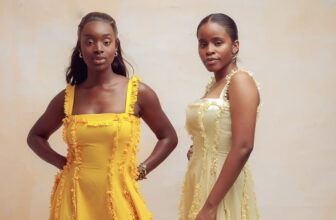
Adama Paris added a tender, unexpected touch by presenting children’s wear for the first time. Wax-print dresses, lace underlays, asymmetry, and coordinated headwraps conveyed a belief that care begins with the young and that designing for them is an act of hope for the world to come.
Hassana embodied the spirit of innovation through a fully digital studio process, shaping clean silhouettes in raffia-embroidered denim and local threading techniques accented with PVC.
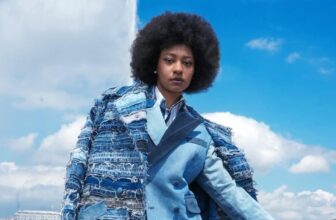
Dakar-based label Code & Dioyana Style pushed further into transformation by constructing garments from upcycled denim, keeping seams raw and hardware exposed without compromising its intent. Quilted vests, strong shoulders, and structured trousers carried an Afro-futurist sharpness balanced by controlled tailoring.
Hülya Güreş concluded the night with pieces brought from Ankara. Calligraphic embellishment, intentional hardware, and architectural lines created a dialogue between worlds while remaining grounded in craftsmanship. The collections that resonated most were the ones where ethics appeared in the process, not only in the messaging.
The second day of Dakar Fashion Week 2025 expanded the map. Eight fashion designers from Senegal, Mali, Comoros, Cameroon, and Congo-Brazzaville presented work rooted in specific traditions while remaining open to reinterpretation. Three Di explored denim as a tailoring fabric, carving shapes through corseted waists, elongated maxis, and sharp suiting.
Their standout piece, a denim Mouride diam poot boubou, drew a standing ovation and proved that denim could be ancestral, contemporary, and couture all at once. The designers described denim as a canvas capable of speaking many languages.
Nkuhuru from Comoros presented coats, short suits, capes, gloves, and bonnets in heavy linen and fil-à-fil cotton, blended with printed textiles. The garments blurred boundaries, making androgyny a deliberate choice. Movement guided the collection, shifting between street and couture influences.
N’sama from Mali introduced batik dyed through techniques inspired by the Agadez Cross. Kaftans, hoodie-kaftans, and low-waisted ensembles in linen and woven loincloth carried beadwork and embroidery with intention. Nana Samaké described her work as a gift, a piece of heritage passed from maker to wearer.
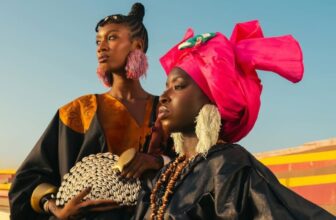
KFY Clothing from Cameroon offered eveningwear in velvet, raffia, feathers, cowrie embroidery, and clean lines. Each item balanced extravagance with discipline, revealing a mastery of construction. Maya Makhfous Design from Senegal presented the Wadur collection, honouring the Lebou people and their relationship with the sea. Organza coats, brocade kaftans, turbans, and accessories inspired by fishing traditions built a story rooted in the spirit of water and memory.
Maty Ndiaye’s Maat label introduced contemporary modest wear, featuring plum suits, oversized blazers, custom veils, and sculptural headpieces. Light silks and calm tones demonstrated how modesty can speak powerfully without raising its voice.
Zalayo from Congo-Brazzaville presented structured whites with sharp pink and black accents, using entirely upcycled textiles. For the designer, upcycling represented liberation rather than limitation. Micodi from Senegal closed with a reinterpretation of the Mboubou. Fitted silhouettes, cotton and linen construction, and minimal embroidery shifted the traditional garment into a modern rhythm while keeping its cultural essence.
The final day of Dakar Fashion Week 2025 marked a shift not only in location but in meaning. Dakar Fashion Week 2025 moved to the Atlantic, between Ngor Island and the city, where traditional pirogues served as a floating runway. The image became unforgettable: brightly painted boats rising and dipping with the tide, models steadying themselves by gripping ropes, fabric lifting in the ocean wind, and spectators watching from nearby boats.
The Atlantic was more than a setting. It was a tribute woven into the rhythm of the water. The organisers described it as an honour paid to the souls lost at sea, using light, beauty, and creativity to honour memory with dignity.
The pirogue, ordinary, familiar, and deeply tied to Dakar’s daily life, became a stage for a narrative shaped by history and identity. It was not chosen for aesthetic effect. It was a symbol of the lives it carries, the stories it holds, and the movement it has guided for generations. Adama Paris leveraged Dakar’s existing infrastructure, transforming it into artistry and allowing the city to define the moment.
Eight designers presented their work on the Atlantic. Ganda Wear from Senegal opened with resortwear in warm browns, nudes, and rust, accompanied by cowrie details and sculptural hair. The pieces moved easily with the wind, maintaining clarity in shape and intention.
Service Alkhoum worked with lightweight cottons and natural fibres in off-white tones. The garments responded to the environment, appearing almost weightless as the ocean breeze shaped their motion. Sculptural hairstyles were inspired by Sahelian trees, grounding the designs in regional memory.
Parfait Ikuba from Congo delivered drama scaled to the setting. Voluminous gowns, sculpted headpieces, and silhouettes that caught the wind created a presence that matched the vastness of the Atlantic. Ngorbatchev from Senegal introduced the AURA collection, created within a week of the show.
Super 100 wool tailoring drew influence from the costume africain while presenting architectural precision. The designer described it as a tribute, a recognition of the need to honour men more often.
Loulou Design from Senegal presented garments shaped by intuition rather than a rigid concept. Colours and fabric choices reflected personal expression, each piece revealing the designer’s commitment to the work. Owens from Senegal created menswear inspired by the coastline, using woven linen and sturdy crepe in blue, white, and sand tones. Panama hats and silk scarves completed the pieces, offering a quiet, island-influenced ease supported by solid construction.
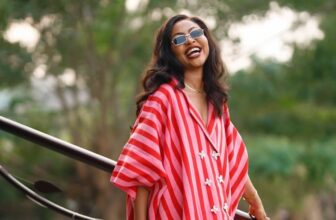
INSPIRED by Congo, built garments from Bantu heritage through the use of raffia, lace, denim, tulle, cowries, wooden beads, and coconut fibres. The textures held layers of history and identity. Adama Paris closed with a burst of colour: vibrant oranges, reds, purples, and yellows. The silhouettes remained simple, letting the palette define the mood. Models walked barefoot with floral crowns, their fabrics rising in the wind.
Over the past few days, Dakar Fashion Week 2025 has shown that African creativity continues to speak with clarity, confidence, and intention. It showed that African fashion designers do more than follow global currents. They create their own paths, their own language, and their own rhythm. The event conveyed that African stories deserve to be told by those who live them, shape them, and understand their depth.
The tribute shared by Adama Paris echoed throughout the event. A message about writing a new chapter on the Atlantic, where memory and creation met on the water. It was a thank-you to everyone who helped build the vision and a recognition of long-standing support and partnership. It was also a reminder that African designers define themselves, refuse to be placed into narrow categories, and build their own legacies.
The reflections carried through the farewell message: gratitude to Senegal and Dakar, and a promise to return for the twenty-fifth anniversary. Two decades and more have shaped Dakar Fashion Week into a platform that no longer tries to prove its worth. It sets the standards, shapes conversations, and redefines what fashion events can become when they draw from heritage, community, and history.
Dakar Fashion Week 2025 was about meaning, purpose, and honour. It was about the ocean that carries stories, the land that supports creation, and the people who continue to carve new paths. It was about youth stepping into their power, established designers honouring their roots, and a community refusing to be anything less than itself.
Dakar Fashion Week 2025 showed that African fashion is a living archive. It captures what has been, what is present, and what is possible. It proved that design can speak to memory, that fabric can carry emotion, and that a runway can sit on water without losing coherence. Each collection, each movement, and each gesture contributed to a larger narrative about identity and future-building.
As the boats drifted on the Atlantic, as the wind carried colour and texture, and as the audience watched from the water, the moment became a symbol of transformation. The runway on the ocean was not simply a striking visual. It was a statement that creativity can rise from any surface, that heritage can be honoured without being frozen in time, and that stories can be told in ways that remain true to the people who own them.
The 24th edition closed with an unmistakable certainty: African fashion stands firm, confident, and capable of shaping its own vision of the future. It carries memory with care, moves through innovation with discipline, and expresses beauty with depth.
Dakar Fashion Week will return, and when it does, it will continue to grow its legacy, shaping new paths with the same sincerity and strength that defined this edition on land, in gardens, in halls filled with youth, and on the restless, living waters of the Atlantic.
Photo: Instagram/guzangs
You May Also Like:
15 Unpopular African Fabrics You Didn't Know Existed
March 13, 20267 Emerging Fashion Brands in Ghana You Need to Know
March 2, 20266 African Denim Brands that are Reimagining the Fabric
February 25, 202613 Aso-Oke Styles You’d Want to Copy Now
February 17, 2026The Ultimate Guide to Aso-Ebi Attire for Wedding Guests
February 15, 202611 Nigerian Clothing Brands You Need In Your Wardrobe In 2026
February 13, 202610 African Male Models Who Just Made Their Fashion Week Debut
February 4, 2026Nairobi Fashion Week 2026: Decarbonizing the Runway with African Ingenuity
February 2, 202611 Ankara Styles That Will Dominate The New Year
January 7, 2026Highlights from the 2025 Africa Fashion Week Nigeria
December 22, 2025Wana Sambo Returns With a New Collection Inspired by New Beginnings
December 18, 2025Everything You Need To Know About Nairobi Fashion Week 2026
December 16, 2025


Esther Ejoh is a Fashion Editor at Fashion Police Nigeria, where she writes all things fashion, beauty, and celebrity style, with a sharp eye and an even sharper pen. She’s the girl who’ll break down a Met Gala look one minute, rave about a Nigerian beauty brand the next, and still find time to binge a movie or get lost in a novel. Style, storytelling, and self-care? That’s her holy trinity.