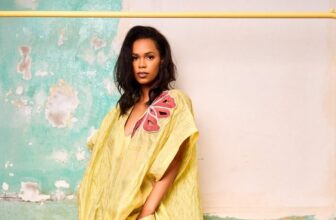
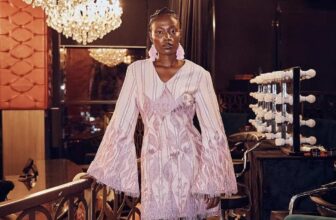
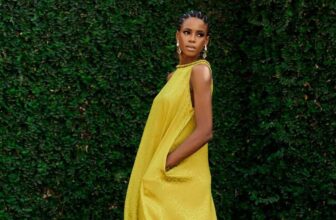
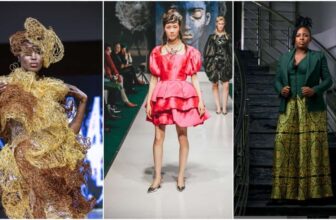
Nairobi Fashion Week 2026 is a few days away and is poised to take over your social media feeds.
The fashion week is shaping up to be one of the most anticipated moments on the African fashion calendar this year. From 28 to 31 January, the city of Nairobi becomes a gathering point for designers, buyers, creatives, and fashion insiders, all paying close attention to how African fashion is growing, changing, and gaining a stronger global presence.
Nairobi is not just hosting the fashion week; the city is setting the tone for where the industry is headed next.
Now in its eighth season, Nairobi Fashion Week has built a reputation as a space where African and non-African designers showcase collections that reflect real lives, local craft, and a clear understanding of global markets. The fashion week is a platform where fashion connects to sustainability, culture, and long-term growth.
The 2026 theme, Decarbonize, brings sustainability into sharper focus, setting the tone for the week. Rather than treating sustainability as a branding exercise, this season places responsibility at the centre of design and production. This approach reflects long-standing African practices where durability, reuse, and skilled handwork have always mattered.
Nairobi Fashion Week brings those values into a contemporary framework, showing how heritage techniques and modern design thinking can coexist. On the runway, this shows up through thoughtful fabric choices, slower production methods, and collections that place value on quality over excess.
The season also blends familiar names with designers making strong returns and those gaining wider attention. Toluwani Wabara of Wanni Fuga will debut with clean lines and timeless silhouettes, while John Kaveke’s return adds weight to the menswear conversation in Kenya.
Against this backdrop, the designers to watch this season represent different regions and design methods, yet share a clear commitment to substance over spectacle. From established names returning to the runway to newer voices refining their presence, these are the African designers who will shape the conversation at Nairobi Fashion Week 2026.
John Kaveke
John Kaveke’s return to Nairobi Fashion Week is significant for Kenyan menswear. With over two decades in the fashion industry, John is widely respected for shaping how modern Kenyan menswear is seen both locally and internationally. For many, seeing John Kaveke back on the runway at the 2026 Nairobi Fashion Week feels like a full-circle moment.
 Photo: Instagram/@johnkaveke
 His label, Kaveke, is known for combining African heritage with sharp tailoring, bold prints, and strong craftsmanship. John’s work has appeared on runways from Nairobi to London, helping position him as one of the continent’s most influential menswear designers.
Each collection reflects a deep respect for culture while maintaining a contemporary, global feel. Through his brand, the African fashion designer continues to push boundaries, creating statement pieces that speak to identity, creativity, and the evolving voice of African menswear.
Toluwani Wabara
Toluwani Wabara is making her Nairobi Fashion Week debut this season, marking an important moment for both the designer and for Nigerian fashion on a regional stage. As the creative force behind WANNI FUGA, she has built a strong reputation for designing for women who want polish without stiffness, and elegance without feeling distant from everyday life.
 Photo: Instagram/@wannifuga
 At Nairobi Fashion Week 2026, the Nigerian fashion designer’s debut brings fresh energy. Toluwani’s work is rooted in craftsmanship, but her strength lies in how she translates that into clean, modern silhouettes that feel highly spirited.
Toluwani Wabara designs with the modern African woman in mind, confident, expressive, and style-aware. Rather than focusing on spectacle, her collections tend to centre on wearable luxury, where tailoring, fabric choice, and fit do most of the talking.
Studio Lola
Studio Lola represents a different side of African designers at the Nairobi Fashion Week 2026, one that leans into process, making, and the quiet value of handcrafted work. Based in Nairobi, the studio operates as an ethical atelier, where design is closely tied to production and local collaboration.
 Photo: Instagram/@studio.lola.design
 The designer-led studio works directly with artisans, keeping much of the process in-house. This allows for close control over quality, materials, and technique. The result is work that feels considered, with attention to texture, colour, and form.
Rather than chasing fast trends, Studio Lola’s presence at the fashion week highlights a slower, more deliberate approach to fashion, one that reflects both creativity and responsibility.
Yvonne Odhiambo (AfroStreet Kollections)
Yvonne Odhiambo, known in fashion circles as Yvonne Afrostreets, returns to Nairobi Fashion Week for the third time. Her continued presence reflects both consistency and growth within Kenya’s street-influenced fashion space.
 Photo: Instagram/@yvonneafrostreet
 Yvonne’s work draws heavily from bold colour, movement, and everyday African street culture. The African fashion designer’s collections often blend vibrant African-print fabric (a.k.a. Ankara), Maasai-inspired motifs, and carefully selected materials, resulting in pieces that feel expressive rather than overly polished.
This approach has helped the Keyan fashion designer to build a recognisable visual identity that looks stunning on the runway and in real-life wear.
AfroStreet Kollections has showcased on runways from Nairobi to New York, dressing personalities and fashion lovers who seek confident, joyful looks rooted in street culture and African expression.
Among the African designers at the 2026 Nairobi Fashion Week, Yvonne represents fashion that is rooted in African culture, personality, and visual impact. Her work speaks to fashion as self-expression, with silhouettes and prints that are meant to be seen, worn, and lived in.
Maisha by Nisria
Maisha by Nisria will also make its third appearance at Nairobi Fashion Week, continuing its focus on upcycling and community-based production. The fashion label is structured around the idea that fashion can serve both creative and social goals at the same time.
 Photo: Instagram/@maishabynisria
 The brand works with repurposed materials such as old garments, off-cuts, and industrial fabrics, transforming them into high-end pieces through handcrafting and visible construction techniques. This season, Maisha is presenting ASILI, a collection centred on regeneration, featuring reworked textiles, hand stitching, and exposed finishes in earthy tones.
Within the group of African designers showcasing at the 2026 Nairobi Fashion Week, Maisha by Nisria stands out for treating waste as a raw material rather than a limitation. The brand’s work is less about trend cycles and more about process, skills training, and long-term impact within the community.
Molivian
Founded in 2021, Molivian represents a newer generation of Kenyan brands built around circular fashion. The fashion brand focuses on textile upcycling, using both local and imported second-hand materials to create one-of-a-kind ready-to-wear garments.
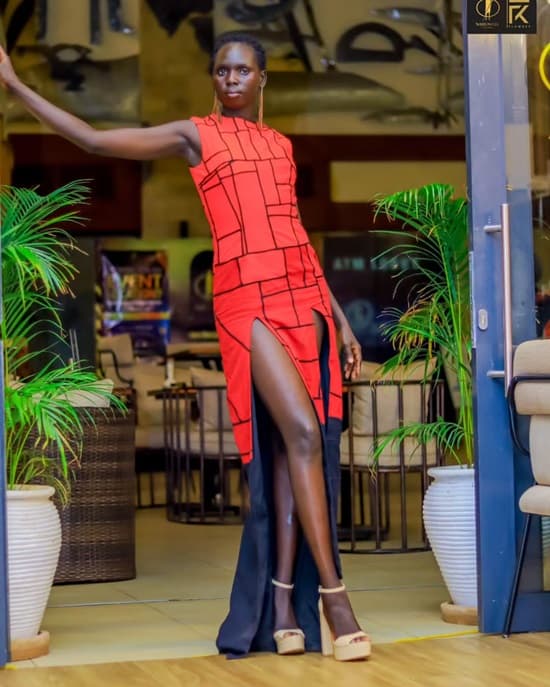 Photo: Instagram/@molivian_
 Molivian’s designs are often defined by patchwork construction, layered fabrics, and relaxed silhouettes. Each piece is intentionally unique, making replication difficult and reinforcing the brand’s commitment to reducing textile waste.
As part of the African designers showcasing at the 2026 Nairobi Fashion Week, Molivian reflects how sustainability is being approached through design systems, not just messaging. The brand’s work addresses a real issue in Kenya’s fashion and waste ecosystem, turning excess textiles into functional, market-ready clothing.
VAST
VAST positions craftsmanship at the centre of its design approach. Inspired by African landscapes and natural tones, this African fashion brand focuses on creating pieces that showcase handwork, texture, and traditional techniques.
 Photo: Instagram/@vast.madebyafrica
 Rather than chasing short-term trends, VAST builds around small-scale production and artisanal development. The brand also places emphasis on training and empowering its workforce, contributing to skill preservation within the local fashion economy.
Walking the runway at the 2026 Nairobi Fashion Week, VAST represents a slower, more deliberate fashion brand. The brand’s collections are often grounded and understated, with attention placed on materials, construction, and long-term wear rather than seasonal novelty.
Rialto Fashion
Rialto Fashion, founded by Lucy Rao in 1998, is one of the longest-standing labels in this season’s lineup. The brand emerged at a time when locally made African fashion had limited visibility, making its continued presence especially significant.
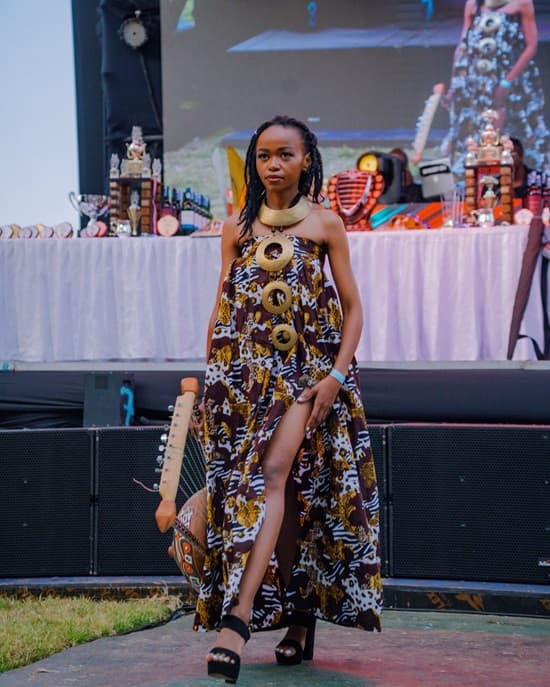 Photo: Instagram/@concours_kenya
 Lucy Rao built Rialto around Afro-fusion, blending African prints, sculptural tailoring, and bespoke techniques across bridal, cultural, and corporate wear. The brand’s work is known for strong silhouettes and detailed finishes, often produced through collaborations with local tailors and SMEs.
Rialto’s involvement in mentoring, local sourcing, and industry support reflects how earlier designers helped shape the environment that newer brands now operate within.
From street-driven aesthetics to heritage craft and upcycling, the African designers showcasing at the 2026 Nairobi Fashion Week this season cover multiple approaches to fashion making.
The diversity of methods, materials, and motivations highlights how African fashion is being built from within, responding to local realities while remaining visible on a global stage. Rather than presenting a single narrative, this lineup shows a working industry, shaped by experience and long-term commitment.
Photo: Instagram/@wannifuga
You May Also Like:
Christie Brown’s 2025 Resort Collection is the Ultimate Vacation Wardrobe
August 4, 2025Ejiro Amos Tafiri to Showcase at African Fashion Week London (AFWL) 2025
July 22, 2025Africa Fashion Week London 2025: Meet the Designers from the British Council’s Creative DNA Initiati...
July 9, 2025Meet the Fashion Designers Showcasing at Africa Fashion Week London 2025
June 30, 2025Ejiro Amos Tafiri Just Showcased Her New Collection at the Shanghai Fashion Week 2025
May 19, 2025NITÉMI Unveils “Handwork” – A Celebration of Craftsmanship, Time & Intention
May 7, 20257 Fashion Brands in Rwanda That You Should Know
April 21, 2025An Honest Review of Veekee James Brand: Is It Worth the Hype?
March 28, 2025Imaatu’s Season of Love Collection is Inspired by Confidence and Elegance
February 21, 202521 Plus-Size Clothing Brands You Need to Know
January 20, 202510 Sustainable African-Owned Shoe Brands To Know
January 15, 2025Ugo Monye's New Collection "IFE ASO ANYI" is a Celebration of African Sovereignty
November 5, 2024

Evelyn Adenike is an Associate Beauty Editor at Fashion Police Nigeria, where she covers all things beauty, from the glossiest nail trends to the best skincare finds. With a soft spot for storytelling and an eye for what’s fresh, she brings culture, creativity, and just the right dash of drama to every post. If it’s bold, beautiful, and blog-worthy, Evelyn’s probably already writing about it.