Ten years does not sound like a lot until you look closely at how much has changed in the way people dress, wear makeup, and present themselves to the world.
2016 and 2026 may sit just a decade apart on a timeline, but culturally, emotionally, and visually, they feel like two completely different worlds. That gap is exactly why the comparison is suddenly everywhere.
On Instagram, TikTok, Facebook, and even in private group chats, people are revisiting old photos, reposting throwbacks, and openly saying things like “2016 was better” or “Why does everything feel like we’re going back?”
This is not just about nostalgia for old songs or Snapchat filters. Fashion is always a mirror of its time. It reflects how people feel, what they value, and what they are trying to escape from.
In 2016, the world felt fast, optimistic, and obsessed with visibility. Social media was exciting rather than exhausting. Influencers were becoming celebrities. Fashion trends were clear, loud, and easy to identify. There was comfort in knowing exactly what was “in” and what was not.
By 2026, the mood is very different. People are more tired, more self-aware, and less interested in chasing approval. The past decade brought global uncertainty, digital burnout, and a deeper conversation around mental health, identity, and sustainability. These shifts did not just change how people think; they changed how people dress, how they do their makeup, and how they define beauty.
People are more informed, more cautious, more selective, and more tired. Fashion no longer exists just to impress. They exist to support real life. Comfort matters. Personal meaning matters. Sustainability matters. Mental health matters. The result is a style culture that looks calmer on the surface but carries far more complexity underneath.
So when people say “2016 fashion is coming back,” what they really mean is not that they want the same clothes. They want the feeling that came with them. The confidence of clear trends. The fun of dressing for the moment. The sense that fashion was something you could master, not negotiate with every day.
This list breaks down the real differences between fashion in 2016 and 2026; not just what changed, but why it changed, what we miss, what we rejected, and what we’re quietly bringing back with new rules.
Trend Creation: From Central Approval to Fragmented Influence
In 2016, fashion trends followed a clear hierarchy. A small group of influencers, celebrity stylists, runway designers, and popular beauty YouTubers shaped what people wore and how they styled it. Once a look gained popularity, it spread quickly and became dominant. You could almost instantly recognize the “right” outfit because most people were sourcing from the same places.
This structure fostered a strong sense of collective participation. When you wore a trend in 2016, you felt part of a shared moment. The downside was that individuality often took a backseat. Personal style mattered less than following the trend accurately. Falling outside the mainstream look often meant being ignored online.
 Photo Courtesy
 By 2026, this system no longer exists. Influence is now scattered across niches, regions, subcultures, and timelines. There’s no single fashion authority. Fashion trends no longer arrive all at once, nor do they disappear simultaneously. Someone can be wearing 2016-inspired looks while someone else fully embraces minimalist dressing or experimental styles.
This fragmentation changes how fashion operates. Style becomes more of a conversation than a set of rules. People dress to fit in rather than seek validation. The comeback of 2016 aesthetics in 2026 is interesting because it brings back the idea of a shared visual language without the pressure to completely conform.
Silhouettes: From Body Definition to Body Consideration
In 2016, silhouettes were designed to define the body clearly and immediately. Clothing hugged curves, emphasized waistlines, and relied on close fits to communicate confidence. Skinny jeans, bodycon dresses, fitted blazers, leggings, crop tops, and sharply tailored pieces dominated wardrobes.
The body itself was the focal point, and fashion worked almost like framing, drawing attention to shape, angles, and proportion.
This approach made fashion feel bold and intentional, but it also created pressure. Clothing often demanded a certain posture, body type, or level of confidence to feel wearable. Comfort was secondary. If an outfit looked good, it was considered successful, even if it restricted movement or felt impractical over time.
 Photo Courtesy
 By 2026, silhouettes tell a different story. Clothes now consider the body rather than define it. Oversized tailoring, relaxed trousers, dropped shoulders, longer hems, and layered fits allow space and flexibility. Instead of forcing the body to adapt to the garment, the garment adapts to the body and its daily realities.
This shift reflects a broader cultural change. People move more, work differently, and live across multiple environments in a single day. Fashion responds by becoming fluid rather than rigid. The popularity of looser silhouettes is not laziness or lack of style. It is a reflection of a generation choosing ease without sacrificing intention.
Status Dressing: From Visible Proof to Quiet Confidence
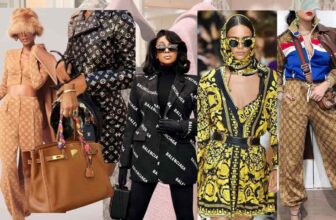
In 2016, status in fashion was easy to read. Logos were clear, branding was prominent, and recognizable pieces signaled taste, access, and awareness. Wearing the “right” brand mattered. Fashion was aspirational and outward-facing, designed to communicate success visually and immediately.
This made the style highly performative. Outfits often existed to be noticed, photographed, and validated. Even fast fashion mimicked luxury branding so people could participate in that status language at different price points.
 Photo Courtesy
 By 2026, the meaning of status has shifted. Recognition no longer depends on visibility. Instead, it rests on subtler markers: fabric quality, fit, longevity, and personal styling choices. A well-made, unbranded piece can carry more weight than a logo-heavy item.
This change reflects growing fatigue with performative consumption. People still care about style, but they are less interested in announcing it loudly. Quiet confidence replaces visual proof. Status becomes something you feel rather than something you display.
Fashion 2016 vs 2026: Fast Fashion Pressure vs Intentional Dressing
Trend cycles in 2016 moved at an exhausting pace. New styles appeared constantly, driven by social media virality and fast production timelines. Keeping up felt necessary. Repeating outfits online was discouraged. Fashion consumption was frequent and reactive.
This created a sense of urgency around dressing. People bought more than they needed to stay relevant. Clothing became disposable, tied to moments rather than longevity.
 Photo Courtesy
 By 2026, dressing become more intentional. People are selective about what they buy and how often they buy it. Rewearing is normalized. Styling the same piece in multiple ways is celebrated rather than criticized. Fashion slows down to match a more thoughtful pace of living.
This does not mean fashion trends disappear. It means they are approached with discretion. People choose what fits their lifestyle instead of chasing everything that appears online. Fashion becomes sustainable not just environmentally but also emotionally.
Gender Expression: From Structured Categories to Fluid Interpretation
In 2016, fashion largely followed traditional gender categories, even when it experimented. Men’s and women’s clothing had defined silhouettes, cuts, and expectations. Crossing those lines was possible but still felt like a statement rather than the norm.
By 2026, those boundaries had softened significantly. Clothing is less about who it is “for” and more about how it feels and functions. Oversized tailoring, fluid fabrics, neutral palettes, and adaptable fits allow people to express identity without explanation.
 Photo Courtesy
 This shift changes how trends return. When 2016 styles reappear, they are no longer locked into their original gendered context. A fitted jacket, a cropped top, or a bold accessory can exist across bodies and identities without needing justification.
Fashion in 2026 becomes a language of expression rather than classification. That freedom reshapes how past trends are interpreted and worn.
Fashion 2016 vs 2026: Fashion as Performance vs Fashion as Partnership
Back in 2016, fashion often functioned as performance. Outfits were built for moments, images, and attention. Dressing well meant being noticed. Style was external, shaped heavily by how others would perceive it.
 Photo Courtesy
 In 2026, fashion behaves more like a partnership. Clothes work with the wearer rather than against them. They support movement, comfort, and long days. Style still matters, but it is integrated into life instead of staged around it.
This is why the return of 2016 fashion elements feels selective. People want the boldness, not the pressure. The structure, not the rigidity. Fashion now borrows the confidence of 2016 but filters it through the self-awareness of 2026.
Fashion 2016 vs 2026: Statement Completion vs Functional Architecture
In 2016, outerwear acted as a finishing touch rather than a core garment. Bomber jackets, leather jackets, distressed denim jackets, and dramatic coats completed outfits visually. These pieces were chosen for how they looked rather than how they performed. They were often removed indoors, serving more as accessories than essentials.
Outerwear in this era carried strong identity signals. A bomber jacket or leather piece communicated attitude. The goal was visual cohesion with the rest of the outfit, even if the garment offered little warmth or practicality. Fashion moments mattered more than function.
 Photo Courtesy
 By 2026, outerwear becomes architectural. Jackets and coats are designed as foundational pieces, not afterthoughts. Structure, layering capability, weather adaptability, and durability guide design. People expect outerwear to carry an outfit through an entire day without compromise.
This change reflects realism. Climate unpredictability, longer days, and hybrid lifestyles demand clothing that works consistently. Outerwear is worn for extended periods and styled as part of the outfit rather than placed on top of it. The coat becomes the outfit in many cases.
When 2016 outerwear trends return, they do so with upgrades. Bomber jackets reappear with better materials and relaxed fits. Leather jackets soften in structure. The attitude of 2016 remains, but the execution aligns with modern needs.
Fashion 2016 vs 2026: Visual Impact vs Long-Term Wearability
Footwear in 2016 prioritized impact. High heels, pointed boots, over-the-knee styles, and dramatic silhouettes dominated fashion imagery. Shoes were chosen to complete an outfit visually, even if they limited movement or comfort. Pain was often accepted as part of dressing well.
This approach made sense in a time when outfits were worn for shorter, more defined moments. Events, nights out, and photo opportunities shaped shoe choices. Footwear was part of performance, not endurance.
 Photo Courtesy
 By 2026, footwear must support real movement. Sneakers, flats, low heels, cushioned soles, and ergonomic designs take priority. Shoes are expected to carry people through long days without compromising health or posture. Comfort becomes non-negotiable.
This does not mean fashion disappears from footwear. Design still matters, but it integrates with function. A shoe must look good and feel good. The wearer’s experience becomes as important as appearance.
The return of 2016 footwear trends happens cautiously. Pointed toes, boots, and heels resurface with modified heights, softer materials, and wearable proportions. Style remains, but suffering is no longer romanticized.
Fashion 2016 vs 2026: Maximalist Stacking Vs Intentional Selection
Accessories in 2016 leaned toward excess. Chokers, layered necklaces, oversized sunglasses, statement earrings, and bold bags were often worn together. The more visible the accessories, the stronger the style statement. Outfits were built by adding rather than refining.
This reflected the visual culture of the time. Accessories helped outfits stand out online. They added personality quickly and visibly. Minimalism existed, but maximalism dominated mainstream fashion spaces.
 Photo Courtesy
 In 2026, accessories are edited. One or two carefully chosen pieces define an outfit. Jewelry carries personal meaning. Bags are functional as well as stylish. Accessories no longer compete for attention. They complement the wearer instead.
This change signals maturity in styling. People understand restraint as confidence. The absence of excess becomes a statement in itself. Accessories enhance rather than overwhelm.
When 2016 accessories return, they do so individually. A choker might appear alone. Statement earrings are paired with simple clothing. The drama survives, but it is controlled.
Photo Courtesy
You May Also Like:
Valentino Garavani Dies at 93: 15 Famous Women Dressed by the Italian Designer
January 20, 2026Selena Gomez Shares No-Makeup Selfie Looking Fresh Face
January 17, 2026How Social Media Changed The Way We See Fashion
January 15, 2026The Problem With Dressing for Labels Instead of Yourself
January 13, 2026Luxury Fashion Is More Than Just A High Price Tag
January 13, 2026Your Ultimate Guide to the 2026 Fashion Trends
January 8, 2026What Is Colour Blocking in Fashion? A Simple Guide to Wearing the Trend
December 24, 202523 Fashion Movies on Netflix to Add To Your Watch This Holiday
December 24, 2025Chanel Took Over The New York Subway for it's 2026 Métiers d’art Collection
December 3, 2025The Best Statement Accessories for Brown Skin Tones
December 2, 2025Fashion Awards 2025: See The Names Of All The Winners
December 2, 2025The Return of Velvet and Satin Dresses for Christmas Party
December 1, 2025


Esther Ejoh is a Fashion Editor at Fashion Police Nigeria, where she writes all things fashion, beauty, and celebrity style, with a sharp eye and an even sharper pen. She’s the girl who’ll break down a Met Gala look one minute, rave about a Nigerian beauty brand the next, and still find time to binge a movie or get lost in a novel. Style, storytelling, and self-care? That’s her holy trinity.