A few fabrics bridge the gap between ancient heritage and contemporary fashion as brilliantly as aso-oke. Its very name evokes the rhythmic sounds of the loom and a blaze of vibrant color. Aso-Oke is history, culture, and artistry woven together.
Aso-Oke, which literally means “top cloth” or “prestige cloth” in the Yoruba language, is a hand-woven textile from Nigeria that has been central to major celebrations — from grand weddings and chieftaincy ceremonies to important festivals, for centuries.
Known for its beauty, durability, and deep cultural meaning, the aso-oke fabric traditionally served as an identity card, telling the world about the wearer’s wealth, status, and family history. While this ancient tradition is deeply rooted in the past, aso-oke is doing something new today: it’s stepping off the ceremonial mat and onto the global runway.
The creation of aso-oke is a demanding, slow, and careful process, transforming simple threads of cotton and silk into strips of breathtaking art through techniques passed down across generations. Ahead, we will explain everything you need to know about this royal traditional fabric and how it is made.
What Exactly is Aso-Oke?
Like we said earlier, the name “aso-oke” literally means “top cloth” or “prestige cloth” in the Yoruba language. The traditional fabric is a strip-woven textile, meaning it is created on a horizontal loom in long, narrow strips that are then sewn together to make a wider piece of fabric.
Imagine weaving a very long, thin scarf, and then sewing many of those scarves side-by-side to make a giant blanket. That’s the basic idea.
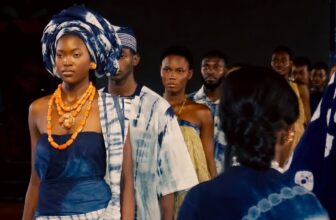
 Photo: Instagram/tianatailoredit
 The creation of aso-oke is a slow, careful process that requires immense skill and patience. Traditionally, it was a male-dominated craft, but today, both men and women are taking up the loom.
The Raw Materials: From Ancient Fibers to Modern Threads
Aso-Oke started by simply using materials found right in the community:
- Cotton (Owú): This was the original, most common material. It makes a soft, comfortable, and breathable fabric.
- Raffia/Palm Silk: Fibers from the palm tree were sometimes used, giving the cloth a rougher, more natural texture.
- Wild Silk (Sanyan): This light-brown, naturally shiny silk was highly prized and used for the most important, high-status garments.
As time moved on and trade routes expanded, new materials were introduced, making the fabric even more varied:
-
Imported Silk (Alari)
Vibrant, bright red, or sometimes purple silk threads led to the creation of the famous Alari type of aso-oke, a symbol of extreme wealth.
-
Rayon and Metallic Lurex:
Today, weavers often mix in synthetic threads and shiny metallic wires (called lurex) to add sparkle, texture, and a modern feel. This has made the cloth much more accessible and colorful.
The Types of Aso-Oke
Traditionally, the type of aso-oke worn can tell you a lot about the person’s wealth, status, and sometimes, their family history. The three main, classic types of aso-oke are:
-
Sanyan:
Sanyan is made from light brown or beige wild silk. This is the most revered, historically significant, and expensive type of aso-oke. It’s subtle, elegant, and often seen at the weddings of elite families.
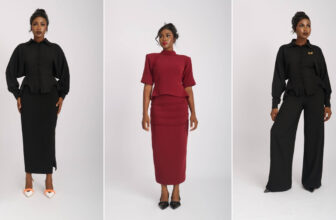
 Photo: Instagram/cece_haus
 -
Alari
Originally made with deep red imported silk. Today, Alari aso-oke can include vibrant reds and magentas. This is the loud, statement-making aso-oke, often associated with royalty or a festive mood.
-
Etù
Etù is a dark blue, sometimes almost black, aso-oke made from local cotton and dyed with natural indigo. It usually features subtle, dark stripes or patterns. Etù aso-oke has a quieter dignity and is often favored by elders.
Today, these lines are beautifully blurred. Modern aso-oke features every color imaginable, often in stunning geometric patterns that pop with metallic threads.
The Making of Aso-Oke
The process of creating aso-oke is a remarkable feat of human creativity and manual labor. It’s a journey from a ball of thread to a magnificent cloth.
1. Preparation of the Yarn
First, the raw materials must be ready. If it’s cotton, it needs to be picked, cleaned, and spun into threads.
If the cloth is meant to be a dark colour, the threads are dyed. The traditional dye process uses natural indigo, which is a complicated, multi-day process of dipping, drying, and repeating to achieve the perfect depth of blue.
2. Setting up the Loom
The weaver’s most important tool is the loom, a complex wooden structure. Preparing the loom, which means setting up all the warp threads (the threads that run lengthwise), is the most difficult and time-consuming step.
The weaver must carefully count out and stretch hundreds, or even thousands, of individual threads to the exact length and pattern desired. Mistakes here can ruin the entire cloth.
3. The Weaving
The weaving stage is where the magic happens. The weaver sits on a bench, operating the loom with their hands and feet. The weaver uses the foot pedals to lift different sets of warp threads, creating an opening called the “shed.”
He then passes the weft thread (the thread running across) through this opening using a small boat-like tool called a shuttle. With a swift movement, the weaver “beat” the weft thread firmly into place with a wooden beater.
The weaver repeats this rhythmic, ancient motion; lift, pass, beat, hundreds of times to create just one narrow strip of cloth. The complex patterns, called ààtàn, are created by carefully changing the colour of the weft thread or by manipulating the warp threads in a specific, timed sequence.
4. Cutting and Sewing
Once many long, thin strips, each typically only a few inches wide, are woven, they are carefully cut from the loom.
A skilled tailor then takes these strips and expertly sews them edge-to-edge with tiny, nearly invisible stitches to form the large panels needed for a full outfit. The finished piece for a woman’s wrapper, head-tie, and shoulder cloth, or a man’s large gown (called an Agbada), can take days or even weeks to complete.
Why Aso-Oke Matters to Nigerian Culture
Aso-Oke is more than just clothing; it is a cultural identity card for the Nigerian culture.
The Language of Occasions (Aso-Ebi)
In Yorubaland, aso-oke fabric is most famous as the aso-ebi, or “family cloth.” When a family hosts a major event, like a wedding, they choose a specific aso-oke pattern and colour.
Every wedding guest who wants to show their support for the family purchases and wears a piece of this aso-ebi. It instantly creates a visual bond and a feeling of unity among the attendees. The colours and patterns become the theme of the entire celebration.
A Symbol of Status and Wealth
Historically, only the wealthy and privileged could afford the expensive silk threads and the time-consuming labor required to make a fine piece of aso-oke. A man’s Agbada (the large, flowing gown) and a woman’s Ipele (shoulder sash) made from Sanyan or Alari signaled high social standing.
Even today, the quality, complexity of the weaving, and the amount of fabric used show the importance of the wearer and the occasion.
Aso-Oke on the Global Stage
Today, aso-oke is experiencing a massive revival, driven by Nigerian designers and international interest in African fashion.
The Rise of Modern Aso-Oke
Nigerian designers are pushing the boundaries of what aso-oke can be. They are keeping the traditional weaving technique but modernizing the final product:
- New Forms: The fabric is no longer just for traditional wear. It’s being used to create contemporary pieces like suits, skirts, jackets, sneakers, clutches, and even furniture upholstery.
- Fusion Textiles: Weavers are combining aso-oke with other fabrics, like French lace, velvet, and chiffon, to create rich, layered looks that appeal to a younger, more cosmopolitan crowd.
- Intricate Details: Modern aso-oke features extremely intricate geometric patterns, 3D effects, and heavy African fashion or iridescent threads that shimmer under the light. These complex designs are often what people are now looking for when they spend on a premium aso-oke piece.
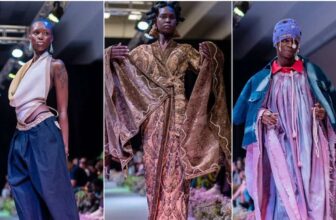
 Photo: Instagram/ako_africa
 Aso-Oke as a Global Ambassador
Aso-Oke has become a powerful ambassador for Nigerian creativity. When celebrities and major fashion influencers wear the beautiful fabric, it shines a spotlight on the ancient craft:
- Runway Presence: Nigerian designers have showcased aso-oke at global fashion weeks, proving that traditional African textiles can hold their own against established European luxury brands.
- Cultural Pride: For the African in diaspora around the world, wearing aso-oke is a direct, visible connection to their roots, a way to celebrate their identity in a stylish, undeniable way.
In conclusion, the making of aso-oke is a beautiful, complex process that starts with a simple thread and ends as a powerful symbol of culture and creativity. The rhythmic sound of the handloom is the heartbeat of a tradition that has persisted for centuries. The vibrant, modern designs we see today are the voice of a new generation, shouting their pride and creativity to the world.
Aso-oke can be adapted, reinvented, and loved in new ways while still holding on to its core identity. The story of this beautiful fabric is still being woven, with each new designer, each new wearer, and each new weaver adding their own unique thread to its rich and colorful tapestry.
It is a story that reminds us that true style is not just about what you wear, but about the story you choose to tell with what you wear. And the story of aso-oke is one worth telling, again and again.
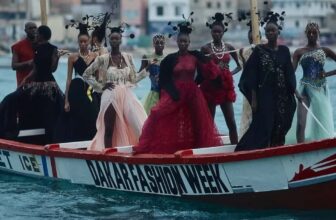
Photo: Instagram/beeholah
You May Also Like:
Highlights from the 2025 Africa Fashion Week Nigeria
December 22, 2025Wana Sambo Returns With a New Collection Inspired by New Beginnings
December 18, 2025Everything You Need To Know About Nairobi Fashion Week 2026
December 16, 2025Dakar Fashion Week 2025 Reveals a New Era for the African Runway
December 11, 2025Africa Fashion Week Nigeria 2025: Everything You Need To Know
November 6, 2025Lagos Fashion Week 2025 Day 4 Highlights: A Celebration of Colour, Culture and Craft on the Runway
November 4, 2025Who Owns Ankara? The Untold Story Behind Africa’s Most Loved Fabric
November 3, 2025Lagos Fashion Week 2025 Day 3 Connected Business, Culture, and the Future of African Fashion
November 3, 2025Lagos Fashion Week 2025 Day 2 Celebrated Confidence, Craft and Conscious Design
November 2, 2025Lace Clothing is Having a Major Fashion Moment in Nigeria — Here’s Why
October 8, 2025Why Dakar is Becoming the New Hub for African Streetwear and Couture Fashion
October 1, 202516 Fashion Schools in Africa Every Aspiring Designer Should Know
September 12, 2025


Esther Ejoh is a Fashion Editor at Fashion Police Nigeria, where she writes all things fashion, beauty, and celebrity style, with a sharp eye and an even sharper pen. She’s the girl who’ll break down a Met Gala look one minute, rave about a Nigerian beauty brand the next, and still find time to binge a movie or get lost in a novel. Style, storytelling, and self-care? That’s her holy trinity.