Weddings are a universal celebration of love, but in Angola, they’re so much more.
In Angola, weddings are a symphony of tradition, negotiation, symbolism, and joy, where two families, not just two individuals, come together in union. While some African ceremonies are renowned for their vibrancy and dance, Angolan wedding traditions stand out for their rich traditions, cultural depth, and strong family involvement.
This isn’t your typical vows-and-rings, Angolan weddings often begin with negotiations, playful family challenges, and deeply symbolic gestures that go far beyond a simple proposal. It’s a journey where family approval is paramount and every detail is meaningful.
What makes the wedding traditions in Angola so fascinating is how they blend the old with the new. A bride might don a Western-style gown, but beneath it all lies centuries of cultural protocol. Families gather not just to witness, but to participate, negotiate, and bless the union. The result is a wedding experience that celebrates and honours tradition and love.
So, what really happens behind the scenes of Angolan traditional weddings? If you’re curious to uncover the richness behind the romance, keep reading. We’re diving deep into the nine surprising things you probably didn’t know about Angolan wedding traditions.
Alambamento
Before white dresses or walk-down-the-aisle moments, Angola weddings begin with Alambamento. This pre-wedding ritual is often considered more important than the actual civil or church ceremony. This event is where both families meet to formally agree on the union.
 Photo: Instagram.com/motherhood_on_purpose
 Angolan bride and groom’s families gathered during an Alambamento.
Here, true negotiation for the union begins, and it signifies family approval and commitment. Alambamento is the heart of wedding traditions in Angola, ensuring that the marriage is rooted in respect and collective blessing.
When Letters Speak Louder Than Rings
Traditional marriage proposals in Angola don’t start with a diamond ring; they begin with “carta de pedido de casamento” (letter of marriage proposal). The groom’s relatives deliver a formal letter to the bride’s family, expressing intent.
But this isn’t a one-sided gesture. The bride’s family responds with their own letter, detailing a specific set of demands that must be met before the wedding can proceed. These letters mark the beginning of negotiation and collaboration.
Lobola (The Dowry List)
The demands outlined in the bride’s family letter are tangible and, often, delightfully specific.
The groom must provide a dowry that may include an envelope of money (usually $300–$500), along with items like crates of beer or soft drinks stacked to match the bride’s height, a goat or cow, new clothes for uncles, and shoes for her mother. These items are symbols of gratitude and recognition. It’s one of the most distinct and charming aspects of Angolan wedding traditions, where negotiation becomes a bridge to unity.
“Jumping Through the Window” Comes With a Cultural Tax
In some traditions, if a couple conceives before the Alambamento or formal marriage, it’s known as “jumping through the window.” While modern views vary, traditionally, this situation could lead to increased demands on the groom’s family during the Alambamento, intensifying the negotiation as a way to acknowledge the deviation from customary timelines.
The Groom’s Test
One of the most playful yet symbolic moments in Angola weddings comes during the groom’s test. After being paraded on the shoulders of the bride’s relatives and handing out money to her aunts, the groom must find his veiled bride among a group of women, by touch alone. It’s a hilarious, tender moment that celebrates intuition, familiarity, and the shared joy of both families.
The Real Decision-Makers
In most parts of the world, couples take center stage in planning their big day. But in Angola, key discussions often occur without the couple present, especially during Alambamento.
Elders, particularly uncles and aunts, manage the negotiations and ensure everything is done according to custom. This reflects the deep communal essence of wedding traditions in Angola, where marriage is a partnership between families rather than just individuals.
The Bride’s Dress
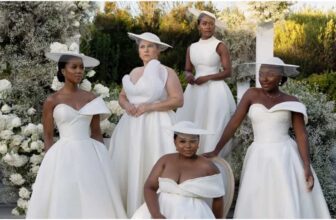
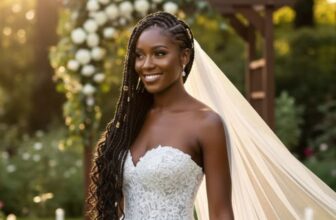
Angolan brides are radiant symbols of heritage and elegance. While some wear classic Western gowns, others don rich traditional attire made from Samakaka, a vibrant fabric known for its symbolic geometric patterns.
 Photo: Instagram/@_zuleicawilson_
 From her hair, often styled in regal updos, to her glowing makeup and ornate gold or beaded jewelry, the Angolan bride is a living embodiment of cultural pride. Bridesmaids also wear coordinated African prints or lace, adding splashes of vibrancy to the ceremony’s palette.
Music
 Photo: Instagram/@klebergroup
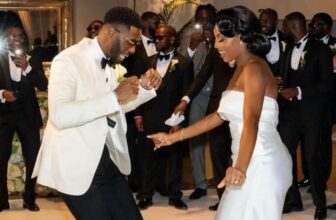
 If you’ve never danced at an Angolan wedding, you’re missing out. These ceremonies come alive with the sounds of Kizomba, Semba, and Kuduro. With romantic, slow dances and lively, fast-paced rhythms, music is the beating heart of Angola weddings. It’s tradition, joy, and entertainment through movement and song.
Life After the “I Do”
After the celebration, the journey continues. Weddings in Angola often end with grand receptions featuring music, feasting, and family unity. But even beyond the event, both families remain closely involved in the couple’s life. This long-term commitment to mutual support reflects one of the most meaningful aspects of Angolan wedding traditions; that marriage is not an ending, but a beautiful beginning supported by an entire village.
Angolan weddings are far more than picturesque ceremonies; they are cultural milestones that celebrate family, history, and the unbreakable bonds between communities. From the exchange of heartfelt letters and dowry lists, Angolan weddings celebrate love and traditions.
But as Angola modernizes, these traditions are evolving. Many couples are now blending the old with the new, opting for modern fashion and smaller ceremonies, while some still honor core customs like the Alambamento. Though the form may shift, the spirit remains. And in that balance, Angolan weddings continue to thrive.
Photo: @Sibhekiwe Cele
You May Also Like:
30 Captivating Spring Wedding Ideas for Modern Brides
March 23, 2026Meagan Good Celebrates First Wedding Anniversary with Jonathan Majors: 'The Greatest Love Story'
March 19, 202614 Best Songs to Add to Your Wedding Reception Playlist
March 6, 2026The Timeless Elegance of Wedding Dress Trains: History, Types, and Tips for Modern Brides
February 19, 202610 Wedding Flowers That Brides and Grooms Rely On
February 11, 2026Pre-Wedding Planning Hacks That Save You Time and Stress
January 24, 2026The 2026 Wedding Trends I’m Paying Attention To
January 11, 20269 Wedding Decor Colours That Make a Budget Venue Look Expensive
January 10, 2026How Much Time Do You Really Need to Plan a Wedding?
December 30, 2025The Ultimate Guide To Your Honeymoon Packing List
December 16, 20258 Nigerian Weddings that Lived Up to the Hype in 2025
December 8, 2025How Long Should You Date Before Getting Engaged?
October 21, 2025


Evelyn Adenike is an Associate Beauty Editor at Fashion Police Nigeria, where she covers all things beauty, from the glossiest nail trends to the best skincare finds. With a soft spot for storytelling and an eye for what’s fresh, she brings culture, creativity, and just the right dash of drama to every post. If it’s bold, beautiful, and blog-worthy, Evelyn’s probably already writing about it.