Fashion trends often see accessories return to prominence, and the silk scarf is a notable example.
In 2025 and early 2026, silk scarves have reemerged as a key accessory, featured in runway shows, street style, and social media. They are now styled on necks, heads, bags, and waists in creative ways.
This resurgence is driven by nostalgia, versatility, and a shift toward adaptable, expressive fashion. Keep reading as we examine the factors behind the silk scarf’s widespread popularity, comparing trends from fashion weeks and social media.
The Historical Roots of the Silk Scarf Trend
Understanding the current popularity of silk scarves requires a look at their history. Silk, which originated in ancient China around 3500 BCE, has long symbolised luxury and elegance. Scarves evolved from practical items such as the Indian bandana, derived from the Hindi word “bāndhnā,” meaning “to tie.”
Imported to Europe in the 18th century, they were valued for concealing snuff stains on handkerchiefs. By the 19th century, European manufacturers, particularly in Mulhouse, France, produced their own versions, often dyed with madder root and featuring paisley patterns inspired by Kashmir shawls, another Indian influence on global fashion.
In the 20th century, silk scarves became symbols of sophistication. Brands such as Hermès popularised them in the 1930s with equestrian prints, establishing their status. In the 1950s and 1960s, they conveyed elegance, worn by icons like Audrey Hepburn and Jackie Kennedy. By the late 2010s, however, scarves declined in popularity as minimalist trends and athleisure took precedence.
According to Harper’s Bazaar, the 2025 revival is influenced by nostalgia, with younger generations embracing polished, retro-inspired styles. This reflects a broader desire for comfort and heritage, while silk’s natural and sustainable qualities, including innovations like milk-based silk from the 1930s, appeal to eco-conscious consumers.
Net-a-Porter notes that the 2025 silk scarf trend builds on historical versatility, now incorporating modern uses such as tops and belts. X users also highlight the scarf’s origins in desert cultures for heat protection, emphasising its practical and multicultural roots.
Silk Scarves Dominating Fashion Week Shows
The silk scarf’s resurgence was solidified during the 2024 and 2025 fashion weeks, where designers presented it in diverse and innovative styles.
At Copenhagen Fashion Week in August 2025, scarves were used to hold back hair or wrap around waists, moving away from 2024’s bow trend toward a more fairy-tale-inspired look. Vogue described this as creating an “androgynous mood,” with preppy neck loops reminiscent of literary elegance.
At Milan’s Fall-Winter 2024/2025 shows, brands such as Artuyt introduced “Peace” collections featuring silk scarves with goddess motifs, using fashion to address global issues. Hermès’ Fall/Winter 2025 show in Shanghai styled scarves as tube tops and ear warmers, incorporating braided equestrian details to appeal to Gen Z.
New York Fashion Week Spring/Summer 2026 showcased scarf-adorned dresses and accessories, with Who What Wear predicting scarf dresses will be a leading choice for elegant events in 2026.
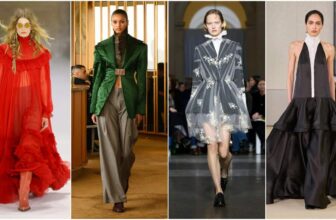
A consistent theme across these shows is adaptability. At Paris Fashion Week, Celine’s debut under Michael Rider included scarves knotted onto bags or worn as belts, influencing global street style.
 Photo: Celine/Getty Images
 Fashionista identifies this as part of “adaptable dressing,” where fewer items create multiple looks, supporting 2025’s focus on sustainability. X users praise these runway moments, highlighting scarves as expressions of individuality.
The Role of Social Media in Amplifying the Trend
Social media has played a significant role in popularising silk scarves. Platforms such as Instagram, TikTok, and X have made scarves viral, with influencers sharing various styling techniques.
Grazia notes that the shift from minimalism has established headscarves as a summer staple, with new approaches maintaining user interest. On X, searches for “why are silk scarves suddenly everywhere” reveal discussions about celebrity endorsements, including Hailey Bieber and Kendall Jenner wearing Pucci prints.
Keyword searches on X indicate a rise in “silk scarves trend” posts since 2024, frequently featuring retro ties or French headscarves inspired by Prada. Influencers such as @stylebylaurenfrank share headscarf styling reels with oversized sunglasses, attracting significant engagement.
 Photo Courtesy
 Instagram emphasises visual aesthetics, while X focuses on real-time discussions, including debates about the cultural origins of scarves in Asian fashion. This exchange across platforms has broadened the trend’s accessibility beyond high fashion.
Versatility, Practicality, and Celebrity Endorsements
The silk scarf’s popularity is rooted in its versatility. Vogue notes that scarves can be knotted onto bags, worn as tops, or tied around hips, making them suitable for summer and transitional dressing.
Good Housekeeping names them 2025’s “hottest accessory,” highlighting their affordability. Brands such as Lost Pattern focus on ethical sourcing from China, appealing to consumers who value heritage and playful design.
 Photo: Launchmetrics
 Celebrity influence has further increased the trend’s visibility. Medium posts highlight Hailey Bieber’s Pucci scarves and Alexa Chung’s hip ties as sources of inspiration.
On X, users credit influencers who emulate celebrities, merging the trend with Y2K nostalgia. Scarves also provide high impact at a low cost, aligning with the 2025 preference for versatile wardrobes.
Future Projections for the Silk Scarf Trend
Looking to 2026, sources anticipate further evolution of the trend. Who What Wear predicts scarf dresses will become party staples, following a strong year for scarf-adorned items in 2025.
WeAreMoltn identifies scarves as the “accessory to covet,” emphasising their role in refined, maximalist styles. X discussions suggest possible integration with synthetic alternatives, though silk’s natural appeal remains strong.
In summary, the widespread popularity of silk scarves results from a combination of historical nostalgia, runway innovation, social media influence, and practical versatility.
This trend connects past and present, offering numerous styling options. As fashion increasingly values individuality and sustainability, silk scarves are likely to remain essential. Embracing this trend represents both style and timeless self-expression.
Photo: Francesca Babbi