You’ve probably had that moment before, where you pictured the perfect dress or the most unique pair of trousers in your mind. Yet no matter how many stores you search, it simply doesn’t exist. That frustration of knowing exactly what you want but never finding it is sometimes where creativity begins..
It creates the spark that makes you ask, “What if I could just design my own clothes?”
But here’s the secret: you don’t need a fashion degree or a fancy studio to turn that vision into something real. The fashion world may seem like an exclusive club, yet the truth is that its building blocks are easier to understand than most people think. Once you know how ideas move from imagination to paper, and from paper to fabric, the process starts to feel a lot less intimidating.
At the heart of this journey are two professional roles that shape everything we wear: the fashion designer and the illustrator. These titles often sound interchangeable, and many people assume these professions are the same thing.
In reality, the professions of a fashion designer and illustrator are two very different stages of the creative process, each with its own skills and magic. Understanding fashion designers and illustrators is like learning the grammar of style; it’s what gives you the power to translate your ideas into wearable art.
For everyday dreamers and aspiring creators, demystifying these roles is the first step toward empowerment. Once you know who does what, you’ll see that you already have the tools to step into that world yourself. Whether through sketching your own outfit ideas or experimenting with fabrics, the line between professionals and beginners isn’t always as distinct as it may seem.
Here, we’ll explain what fashion designers and illustrators really do, why both professions are essential to fashion, and how their collaboration makes trends come alive. And most importantly, we’ll give you a simple, practical roadmap to design your own clothes. This guide bridges professional insight with DIY creativity, so your next dress can finally match the one you’ve always imagined.
The Architect vs. The Artist
Think of the process of building a house. One person sketches the structure, deciding where the walls will rise and how the roof will rest. Another imagines the atmosphere, how sunlight will pour through the windows, how the space will feel, and what kind of story the home will tell.
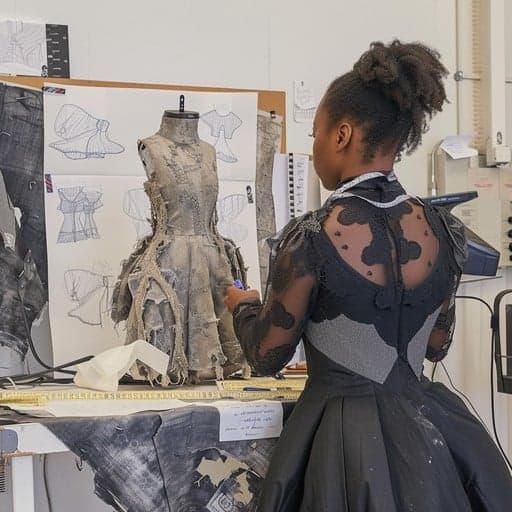 Photo: @stockcake
 Fashion works in much the same way. The fashion designer and illustrator debate isn’t about who is more important, but understanding that each role brings a different kind of brilliance.
The Fashion Designer: The Architect of Style
A fashion designer is the builder of the wardrobe. This professional asks practical questions: How should the garment fit? What fabric will hold its shape? Will the seams survive multiple washes?
A designer’s toolkit goes beyond a sketchpad. Many use digital programs like CLO3D, Adobe Illustrator, or CAD software to visualise how a garment will be on the body before a single fabric is cut. These tools help translate imagination into measurable forms, ensuring that creativity meets practicality.
A fashion designer also studies current trends, fabrics, and market demand, understanding what silhouettes or materials resonate with modern audiences. This awareness ensures that designs feel personal, relevant, and wearable.
From drafting patterns to sourcing the right material, the designer makes sure a concept doesn’t remain just an image on paper. Once the technical work is done, the designer transforms into a garment ready to be worn, sold, and celebrated.
The Fashion Illustrator: The Artist with a Vision
If the fashion designer works like an engineer, the illustrator operates like a painter. Before a garment ever reaches the sewing machine, an illustrator gives it life on paper. This creative specialist captures the movement, mood, and personality of a design, using pen, watercolour, or digital brushes to express how fabric should flow, shimmer, or cling.
An illustrator’s job goes beyond drawing; it’s about communication. A well-rendered fashion illustration tells a complete story.
Illustrators often work across mediums, from traditional sketchbooks to digital platforms like Procreate or Photoshop, bringing designs to life for brand campaigns, lookbooks, and concept presentations. Their work helps clients, production teams, and audiences visualise a collection long before the prototype exists.
Differences Between Fashion Designers and Illustrators
While both fashion designers and illustrators are important in the world of fashion, there are key differences between the two professions that set them apart.
Fashion designers are responsible for creating original clothing designs and bringing them to life through the use of fabrics, colours, and patterns. These creative professionals often work closely with manufacturers and seamstresses to produce the final clothing pieces.
On the other hand, illustrators are primarily focused on creating visual representations of fashion designs. These professionals use their artistic skills to draw or digitally render sketches of clothing, accessories, and other fashion-related items. Illustrators may work for fashion magazines, design houses, or even freelance for various clients.
In summary, while fashion designers focus on the creation and production of clothing, illustrators specialize in visualizing and communicating fashion ideas through their artwork. Both professions are essential in the fashion industry and often collaborate to bring fashion concepts to life.
Why Both Matter
Professionally, neither role stands alone. Designers need illustrators to communicate feeling, while illustrators depend on designers to translate emotion into fabric and form. Together, both roles form the creative backbone of fashion houses, editorial teams, and independent labels. merging imagination with execution to build entire collections.
 Photo: Getty Images//AnnaStills
 For someone hoping to design their own clothes, grasping this difference is important. Knowing which stage comes first and what skills are required at each point will help any aspiring creator work more effectively. And when collaboration becomes necessary, understanding these professions of fashion designing and illustration will make it easier to know exactly who to bring on board and when.
How to Become a Fashion Designer or Illustrator
Becoming a fashion designer or illustrator is a highly competitive and rewarding career path that requires a combination of talent, dedication, and education. If you have a passion for fashion and a keen eye for design, there are steps you can take to turn your dreams into reality.
First, it’s important to build a strong foundation in fashion design or illustration by pursuing a formal education. Consider enrolling in a reputable fashion design school or program to learn the fundamentals of design, sketching, garment construction, and textile theory.
Next, start honing your skills by practising drawing and designing on a regular basis. Create a portfolio showcasing your best work, including sketches, designs, and finished projects. This step will be essential when applying for internships or entry-level positions in the industry.
Networking is also key to breaking into the competitive field of fashion design or illustration. Attend industry events, fashion shows, and trade fairs to meet other professionals and potential mentors. Building relationships with established designers or illustrators can open doors to valuable opportunities and collaborations.
Finally, stay up to date on the latest trends and technologies in the fashion industry. Continuing education through workshops, classes, or online courses will keep your skills sharp and relevant in a rapidly evolving field.
By following these steps and putting in the hard work, you can pave the way to a successful career as a fashion designer or illustrator.
Designing For Yourself
Every great garment begins as an idea in the mind. When the photo flashes — sometimes a bold gown, sometimes a simple everyday piece, and the question is: how does that vision move from imagination to hanger?
By blending the skills of the fashion illustrator and the designer, anyone can start to design their own clothes in a way that feels achievable and exciting.
Step 1: Capture the Vision (The Illustrator’s Phase)
The first step is to capture energy and mood. Create a mood board using magazine cutouts, Pinterest pins, or even photos snapped on a phone. Sketching is optional; even a rough outline can communicate the idea.
The goal is to define the silhouette, should it be structured or flowing, cropped or full-length, and the feeling the outfit should give when worn. This stage is about atmosphere, not accuracy.
Step 2: The Blueprint and Fabric (The Designer’s Phase)
Once the mood is clear, the technical work begins. Think of this step as drawing up the blueprint for a building. Decide how the garment should be built.
For instance, a wrap skirt requires different planning from a tailored blazer, just as a flowing chiffon dress needs different fabric from a stretch cotton jumpsuit. Visit fabric shops, run hands across different textures, and imagine how each material will feel when worn.
This step brings the dream closer to reality by setting the structure and materials in place.
Step 3: Crafting the Final Piece (The Execution)
Designing doesn’t always mean handling the sewing machine yourself. Professionals, whether fashion illustrators, designers, or skilled tailors, exist to translate creative visions into polished garments.
 Photo Coutesy
 Once the concept is clear, share the sketch, mood board, or description with a trusted professional. Communicate details like preferred fit, fabric, and finishing touches. This collaboration ensures the final garment reflects the original idea while benefiting from the craft and expertise of someone trained in garment construction.
Your Fashion Architect
The difference between a Fashion Designer and an Illustrator doesn’t separate but connects two creative halves that bring fashion to life. One paints emotion and movement on paper; the other engineers form and function into reality. Understanding this balance transforms the process of designing your own clothes from a guessing game into a guided, intentional craft.
To design your own clothes, start where every designer begins: with an idea. Capture the mood, visualise the texture, then take that concept to a professional tailor or fashion house that can interpret your blueprint. Collaboration is key; your role is to guide the process, ensuring every pleat and seam mirrors your original vision.
Ultimately, the most unforgettable clothing was imagined first. Every sketch, fabric choice, and fitting becomes proof that style is not just worn, it’s created.
Photo: @Getty Images
You May Also Like:
Celebrity Haircare Brands: 14 Stars Revolutionizing Your Haircare Routine
March 30, 2026Fall 2026 Runway Trends: 12 Bold, Romantic & Futuristic Looks Defining the Season
March 19, 2026How Cloud Dancer Colour Trend Took Over the 2026 Oscars
March 17, 2026How Celebrities are Turning Lingerie into Chic Fashion Moments
March 17, 202615 Boubou Dress Styles You'd Want to Wear Now
March 17, 2026Louis Vuitton Women’s Fall 2026 Combines Nature, Folklore, and Bold Escapism
March 11, 2026Chanel Fall 2026 Collection: The Butterfly Effect – Matthieu Blazy's Transformative Vision at Paris ...
March 10, 2026How Designers are Using Recycled Materials to Create Covetable Wardrobe Pieces
March 9, 2026Honouring the Women Who are Impacting the African Fashion Industry
March 8, 2026Kim Kardashian Dressed Like a Vegas Showgirl and No One Saw It Coming
March 6, 2026Tom Ford Fall 2026 Collection: The ’90s Revival No One Saw Coming
March 5, 2026Dior Fall 2026 Collection Revives the Peplum at Paris Fashion Week
March 4, 2026


Evelyn Adenike is an Associate Beauty Editor at Fashion Police Nigeria, where she covers all things beauty, from the glossiest nail trends to the best skincare finds. With a soft spot for storytelling and an eye for what’s fresh, she brings culture, creativity, and just the right dash of drama to every post. If it’s bold, beautiful, and blog-worthy, Evelyn’s probably already writing about it.