For years, there’s been a dangerous myth circulating in Black communities around the world: the idea that black skin doesn’t need sunscreen.
You’ve probably heard it before: “Black don’t crack,” “Melanin protects us,” or “I never burn, so I don’t need SPF.” While melanin does offer some natural protection against UV rays, it’s far from enough. The truth is, every skin tone, no matter how rich and deep, is vulnerable to sun damage, premature aging, hyperpigmentation, and even skin cancer.
Unfortunately, because of these long-standing misconceptions, many Black people don’t include sunscreen in their daily skincare routines. And when they do, they often struggle with products that leave a grey or chalky cast on the skin. But this needs to change. Sunscreen isn’t just a product for light skin; it’s an essential skincare step for everyone, including Black people.
Ahead, we’ll explore why sunscreen is a must for darker skin tones, what kind of damage the sun can do to melanin-rich skin, and how to choose the right sunscreen for black skin without dealing with annoying white residue.
Why Black Skin Still Needs Sunscreen
Although melanin provides some protection against the sun’s harmful UV rays, it is a common misconception that individuals with darker skin tones do not need sunscreen. In reality, everyone, regardless of skin color, is at risk for skin damage and skin cancer from sun exposure.
1. Melanin Offers Protection, But It’s Not a Shield
Melanin does help absorb and deflect UV rays; this is true. In fact, darker skin tones have a natural SPF of about 13, compared to about 3 in lighter skin. But SPF 13 is not nearly enough when the sun’s UV index is high.
Dermatologists recommend a minimum SPF of 30 for everyone, regardless of skin color. This is because prolonged exposure to UVA and UVB rays can cause both visible and invisible skin damage over time, regardless of how much melanin you have.
2. Black People Can Get Skin Cancer, Too
One of the most serious risks of sun exposure is skin cancer, and yes, Black people can and do get it.
While the incidence rate may be lower in Black populations, the survival rate is also significantly lower. This is often because it’s diagnosed much later. In Black individuals, skin cancer is more likely to appear in less sun-exposed areas like the soles of the feet, palms, or under the nails, making it harder to detect.
 Photo: Instagram/undefinedbeauty_co
 According to the American Academy of Dermatology, melanoma in Black people is often diagnosed at a more advanced stage, making it more deadly. Regular sunscreen use can reduce your risk and help you stay aware of any unusual changes in your skin.
3. Sun Exposure Worsens Hyperpigmentation
If you’ve ever dealt with dark spots, acne scars, or melasma, you’ll want to wear sunscreen every day.
UV rays make hyperpigmentation worse by increasing melanin production in the affected areas. And because darker skin tones already produce more melanin naturally, these marks can linger much longer when sun protection isn’t part of the skincare routine. Sunscreen helps even out skin tone and prevents discoloration from getting darker.
4. The Sun Speeds Up Aging Even in Melanin-Rich Skin
Yes, “Black don’t crack” but sun exposure can still cause fine lines, wrinkles, and uneven texture over time. UVA rays penetrate deep into the skin and can break down collagen and elastin, leading to premature aging. Sunscreen protects the skin’s structure and helps maintain that youthful glow that melanin-rich skin is known for.
5. Everyday Exposure Adds Up, Even Indoors
You don’t need to be lying on the beach to be exposed to harmful rays. UV rays penetrate windows, which means sitting by a window, driving, or even working in sunlight-filled rooms can still affect your skin.
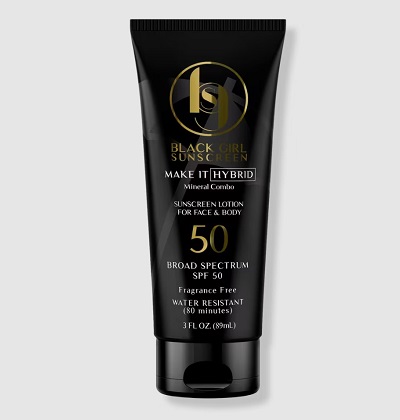
Moreover, blue light from screens (phones, laptops, TVs) can also trigger hyperpigmentation in melanin-rich skin. Many modern sunscreens now include protection from both UV and blue light, making them more relevant than ever for daily use.
What Kind of Sunscreen is Best for Black Skin?
Not all sunscreens are created equal. Some leave a heavy white cast, while others feel greasy or clog pores. For Black skin, it’s important to find formulas that are lightweight, sheer, and blend in easily.
Here’s what to look for:
1. Broad Spectrum Protection
This means the sunscreen protects against both UVA (aging) and UVB (burning) rays. Always check that your sunscreen says “broad spectrum” on the label.
2. SPF 30 or Higher
SPF 30 blocks about 97% of UVB rays. While no sunscreen can block 100%, SPF 30 is the sweet spot for daily wear.
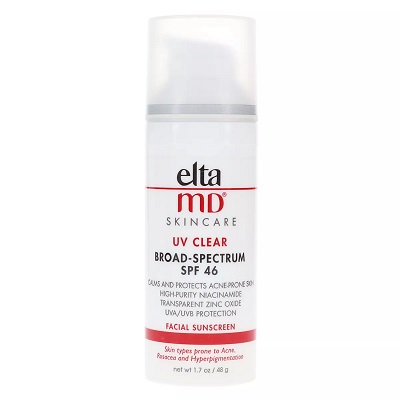
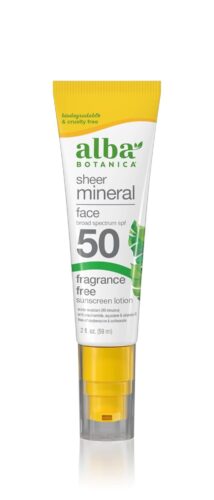
3. Mineral vs. Chemical Sunscreens
- Mineral (Physical) Sunscreens: These sit on top of the skin and reflect UV rays. Mineral sunscreens often use zinc oxide or titanium dioxide. However, traditional formulas can leave a white cast, so look for tinted mineral sunscreens specifically formulated for deeper skin tones.
- Chemical Sunscreens: These absorb into the skin and neutralize UV rays. Chemical sunscreens tend to be more sheer and blend better with dark skin, but may irritate sensitive skin.
4. Non-Comedogenic and Fragrance-Free
To avoid breakouts and irritation, choose non-comedogenic sunscreens (won’t clog pores) and are free of harsh fragrances, especially if you have acne-prone or sensitive skin.
How to Use Sunscreen Properly on Black Skin
It’s not enough to just own sunscreen; you have to use it the right way for it to work effectively:
- Apply it every day, rain or shine, even if you’re indoors. UV rays can pass through windows.
- Reapply every two hours if you’re out in the sun or sweating/swimming.
- Use about a nickel-sized amount for the face and a shot glass full for the body.
- Don’t forget often-missed areas like the ears, neck, chest, hands, and the tops of your feet.
Debunking Common Myths About Sunscreen and Black Skin
Let’s clear up some common misconceptions once and for all:
- “I don’t burn, so I don’t need SPF”: False. Even if you don’t burn, UV rays still damage your skin beneath the surface.
- “Melanin is enough protection”: Not true. Melanin helps, but it doesn’t block UVA/UVB completely.
- “Sunscreen is only for summer”: Nope. UV rays are present all year round — even on cloudy days or during harmattan.
- “Sunscreen is only for light-skinned people”: Dangerous myth. Every skin tone can experience sun damage and skin cancer.
Why Making Sunscreen a Daily Habit Matters
Sunscreen isn’t just a seasonal or optional step; it’s essential skincare. Adding it to your routine:
- Protects your skin from harmful radiation
- Prevents long-term skin issues
- Helps you maintain an even, glowing complexion
- Reduces your risk of skin cancer
- Slows down visible signs of aging
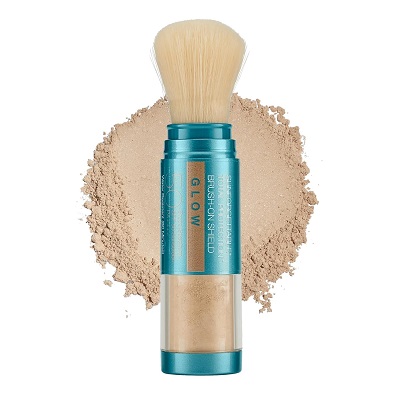
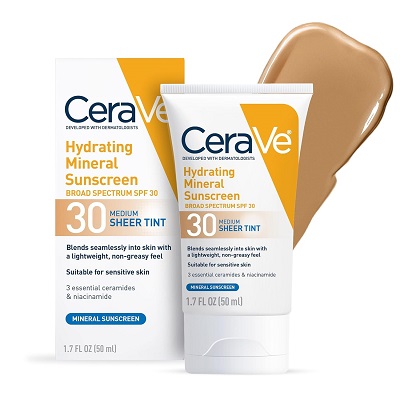
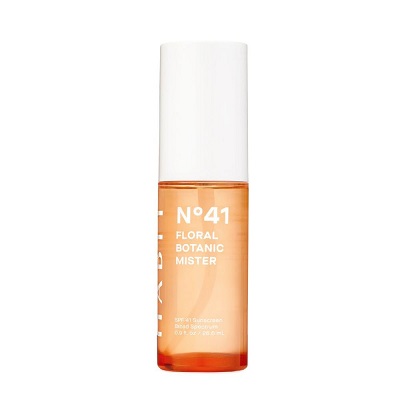
When you consistently wear sunscreen, you’re investing in the long-term health and beauty of your skin, and that’s a form of self-care every Black person deserves.
Wearing sunscreen doesn’t make you “less Black.” It makes you smart. It shows that you value your skin and understand what it needs to thrive. Melanin is magic, yes, but even magic needs a little protection. With the right SPF and consistent use, you can protect your skin, prevent hyperpigmentation, and maintain a healthy glow for years to come.
So the next time you leave the house, whether the sun is blazing or hiding, don’t skip the SPF. Your skin will thank you.
Photo: Instagram/dominique.baker
You May Also Like:
The Return of Matte Makeup — Is Dewy Skin Fading?
February 20, 2026The Beauty Goals No One is Talking About in 2026
January 28, 202610 Best Eyeshadow Palettes For Everyday Glam
January 28, 2026The Best Body Firming Lotions For Smooth, Plump Skin
January 22, 2026Sodium Ascorbyl Phosphate For Skin: What You Need to Know
January 19, 202625 Best Skincare Products For Men
January 15, 2026Your Ultimate Guide to Achieving a Natural No-Makeup Makeup Look
December 30, 20257 Best Makeup Removers to Keep Your Holiday Glam Fresh
December 23, 2025Brow Grooming: An In-Depth Guide to Maintaining Healthy Brows
December 18, 2025Best Anti-Aging Products: Your Guide to Younger-Looking Skin
November 21, 2025Meghan Markle Goes Makeup Free On The Cover Harper's Bazaar magazine
November 20, 2025The Best Foundation for Natural Skin
November 13, 2025


Esther Ejoh is a Fashion Editor at Fashion Police Nigeria, where she writes all things fashion, beauty, and celebrity style, with a sharp eye and an even sharper pen. She’s the girl who’ll break down a Met Gala look one minute, rave about a Nigerian beauty brand the next, and still find time to binge a movie or get lost in a novel. Style, storytelling, and self-care? That’s her holy trinity.