Hair goes beyond just beauty; it tells a story, carries history, and reflects culture. And for Black women, that story has always been layered. We’ve been told our hair is “too short” or “too different,” to having long natural hair instantly dismissed as “extensions,” the conversation around our strands has never been neutral.
Now, the new label attached to us is “gatekeepers” of hairstyles. But what does that even mean, and is it really fair?
When people describe Black women as “gatekeepers,” what they often mean is a level of protectiveness around certain hairstyles and hair extensions. And in many ways, that’s true, but not in the way the narrative is sometimes portrayed.
The term “gatekeepers” usually points to the way Black women protect certain hairstyles and extension practices. And truthfully, that protection exists for a reason, not for exclusion, but preservation.
Where Did the Term “Gatekeepers” Even Come From?
The label of Black women as “gatekeepers” didn’t just appear out of thin air. It largely started on social media, especially TikTok and Instagram, where viral debates around cultural appropriation became impossible to ignore.
Think of moments when non-Black influencers shared tutorials on Cornrows, Fulani braids, or Sew-in hair extensions without ever mentioning their roots. When Black women called out the appropriation, the response was the ‘gatekeeping’ label. But that pushback wasn’t about keeping anyone out; it was about demanding recognition and respect for styles deeply tied to Black identity.
However, the ‘gatekeeping’ didn’t come from a desire to exclude others. It was born from years of seeing the same hairstyles that were once mocked, policed, and labeled ‘unprofessional’ on Black women suddenly celebrated as chic and innovative on others.
The Hair Texture Factor
Afro-textured hair has a unique texture that makes it strong enough to hold braids, twists, and sew-ins without slipping. The coils and density naturally grip onto extensions, making protective styles possible and long-lasting.
On the other hand, straighter hair types are more fragile. Their strands can easily break under tension, or extensions might slide out because there isn’t the same grip.
 Photo: Instagram/@ginette.kofigah
 This is not just a styling preference; it’s the technique that works for the hair texture. That’s why protective styles developed as a practical solution centuries ago in Black communities, serving purposes not just for beauty, but for survival in harsh conditions.
For straighter hair types, attempting these same tension-heavy styles can actually cause damage, which is why trends like tight cornrows on fine hair often lead to breakage.
Cultural Protection vs. “Gatekeeping”
Another reason ‘Black women are gatekeepers’ has become a phrase is because of cultural protection. Time and time again, our hairstyles have been renamed, repackaged, and mainstreamed with little recognition of where they came from.
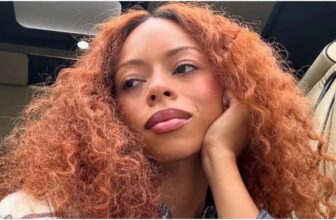
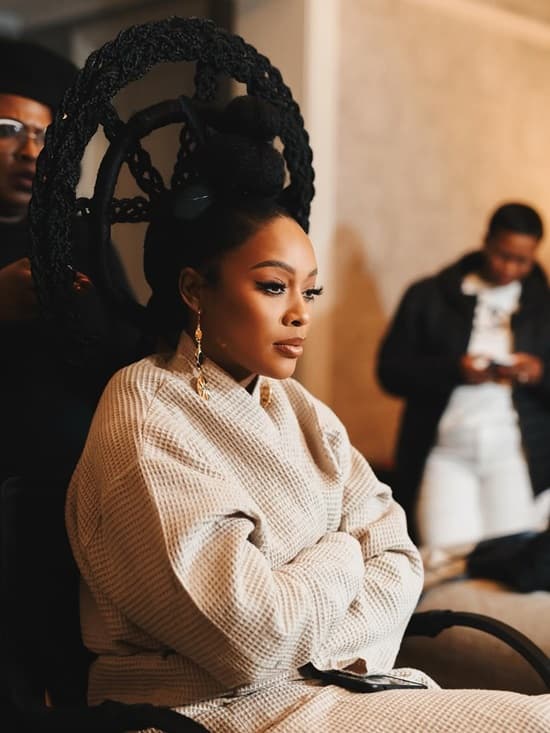 Photo: Instagram/@nomazamo_m
 Cornrows became “boxer braids.” Fulani braids were rebranded as “Bo Derek braids.” Now, there’s the “new Korean hair extensions,” an invention rooted in African heritage.
A striking example was Kim Kardashian’s infamous “boxer braids” moment in 2016, where she was praised for a style Black women had been ridiculed for in schools and workplaces. Similarly, Bo Derek’s 1979 film “10” popularized cornrow braids among white audiences, erasing their West African cultural origin.
For Black women, it’s exhausting to see culture appropriated while the people who created and wore these hairstyles are left behind or worse, penalized for wearing the same looks.
Black Hairstyles are More Than Fashion
Hair extensions, braids, and protective styles are more than temporary beauty choices. These elements are functional, creative, and historical. For many Black women, Afro hairstyles became survival tools in environments where natural hair was, and still is, misunderstood.
Black hairstyles allowed enslaved women to tuck away their hair for labor, to preserve it, and even to carry seeds braided close to the scalp for survival after displacement. Today, Afro hairstyles still serve as protective measures against breakage while offering artistry and self-expression.
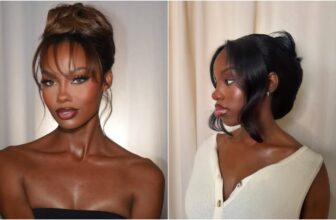
 Photo: Instagram/@coach_b_knowin
 To call Black women “gatekeepers” for guarding this history is to miss the point. It’s not about policing who can wear Afro hairstyles; it’s about honoring the roots of these looks, ensuring they aren’t erased or watered down.
At its core, the “gatekeeper” label should be seen less as an accusation and more as recognition. We hold the line, not out of exclusion, but out of love for a culture that has been misunderstood, misrepresented, and mislabeled for centuries.
Afro hair extensions, braids, and protective styles are more than trends; these hair techniques carry survival, creativity, and heritage wrapped around every coil and strand. And if protecting that makes us ‘gatekeepers’, then maybe it’s a role worth embracing.
Photo: Instagram/@nomzamo_m
You May Also Like:
18 Best Haircut Trends for 2026: Your Guide to Soft, Romantic, and Effortless Styles
March 26, 2026Cardi B Reveals Why Using Raw Garlic is Bad for Your Hair
March 25, 2026The Only Hair Colours to Wear this Spring
March 24, 2026The French Twist is Making a Chic and Glamorous Comback
March 23, 2026What the Braided Hairstyles on Sinners' Cast Really Mean
March 19, 2026Margot Robbie Just Made the Messy and Wet Bob Hairdo Covetable
March 10, 2026Teyana Taylor Oozes Style as She Debuts a Silver Hairstyle at the Chanel Fall/Winter 2026 Show
March 10, 202611 Best Curl Creams for Year-Round Bounce and Shine
March 9, 202615 Best Hairstyle Trends to Try This Spring
March 9, 2026The Japanese Bob is the New Minimalist Hairstyle to Wear in 2026
March 3, 202620 Covet-Worthy Balayage Highlight Hairstyles to Rock in 2026
February 27, 2026Money Piece Hair: Your Complete Guide and 17 Hairstyle Ideas
February 27, 2026


Evelyn Adenike is an Associate Beauty Editor at Fashion Police Nigeria, where she covers all things beauty, from the glossiest nail trends to the best skincare finds. With a soft spot for storytelling and an eye for what’s fresh, she brings culture, creativity, and just the right dash of drama to every post. If it’s bold, beautiful, and blog-worthy, Evelyn’s probably already writing about it.