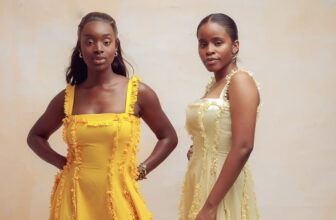
From January 28 to 31, 2026, the Sarit Expo Centre in Nairobi served as a focal point for sustainable fashion during the eighth season of Nairobi Fashion Week, themed “Decarbonise.” This event extended beyond a traditional garment showcase, presenting a decisive stance against fast fashion. Designers representing Kenya, Nigeria, France, Sri Lanka, Germany, and the USA promoted ethical production, circular design, and climate-conscious innovation.
Nairobi was positioned as a leading African centre for responsible fashion, integrating cultural narratives with advanced materials to produce enduring designs. The runway presentations underscored a commitment to reducing carbon footprints through the use of upcycled textiles, local craftsmanship, and intentional design. The event also featured panel discussions on supply chain ethics and pop-up retail spaces that emphasised artisan collaborations.
Maisha by Nisria, a Kenyan label making its third appearance at the event, distinguished itself through its commitment to social consciousness and creative upcycling. Designer Nisria repurposed discarded textiles, including old garments and fabric off-cuts, into sophisticated, high-end pieces. The ASILI collection, presented on the runway, emphasised regeneration through earthy tones, symbolic motifs, and raw finishes achieved by hand-stitching and reworking materials.
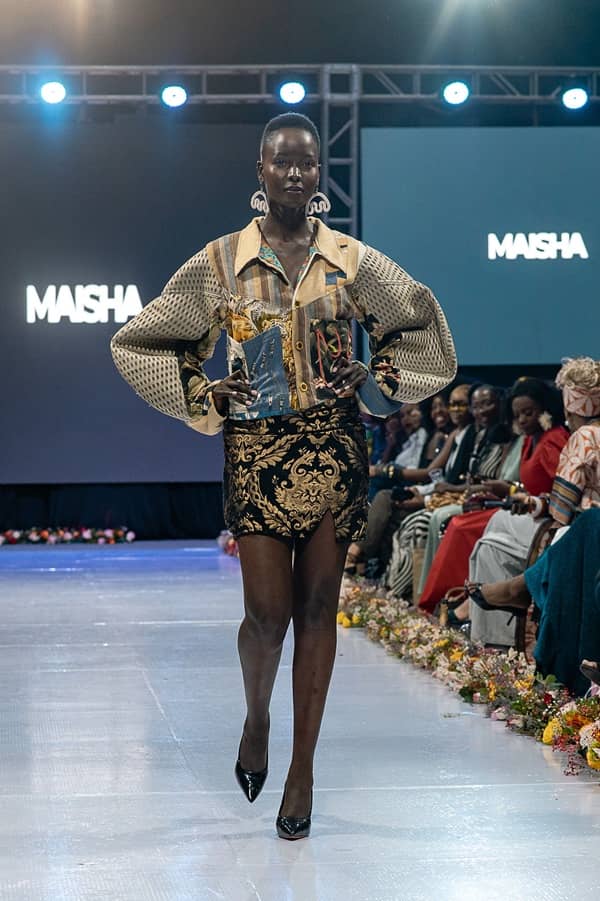 Photo: Nairobi Fashion Week 2026/Daniel Kempf-Seifried
 Models wore flowing dresses constructed from repurposed linens, each design reflecting themes of renewal. Nisria’s approach addressed textile waste and empowered local communities via artisan workshops, demonstrating that sustainability can be both aesthetically compelling and practical.
A notable piece was an asymmetrical gown in muted terracotta, embellished with intricate beadwork reminiscent of Kenya’s arid landscapes, symbolising resilience amid climate change. This collection established a high standard, illustrating that the future of fashion involves honouring tradition while addressing contemporary challenges.
Studio Lola, a Nairobi-based ethical atelier led by a women-driven team, also demonstrated significant innovation. The label emphasised slow fashion and fair-trade practices, presenting handmade garments produced in collaboration with local artisans. The collection focused on texture and form, featuring layered organic cottons and hand-dyed silks in subdued, natural colour palettes.
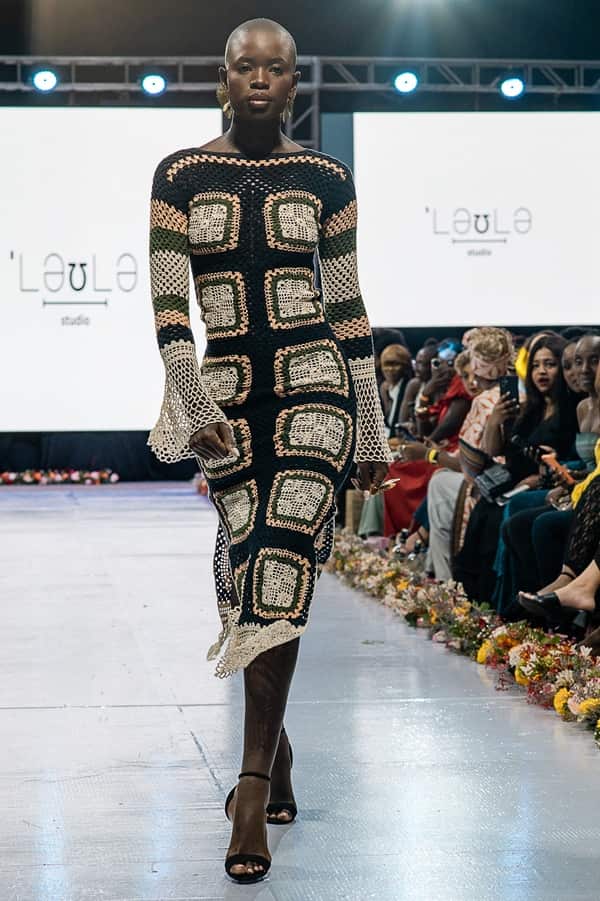 Photo: Nairobi Fashion Week 2026/Daniel Kempf-Seifried
 Notable pieces included versatile wrap dresses and tailored jackets designed for both day and evening wear, highlighting durability over disposability. The designer’s meticulous process was evident in visible seams and embroidered details, underscoring intentional craftsmanship.
A particularly notable ensemble featured a midi skirt and a cropped blouse, both upcycled from vintage African prints, conveying a sense of timeless elegance. Studio Lola’s dedication to in-house production reduces emissions and supports community skill development, exemplifying responsible luxury.
VAST, a Kenyan brand drawing inspiration from Africa’s diverse landscapes, contributed a strong artisanal presence to the event. The label prioritised small-scale production and traditional techniques, presenting a collection that celebrated handcrafted fabrics, natural tones, and long-term wearability. Key pieces included flowing kaftans and structured blazers made from organic fibres, featuring beadwork and embroidery that honoured indigenous craftsmanship.
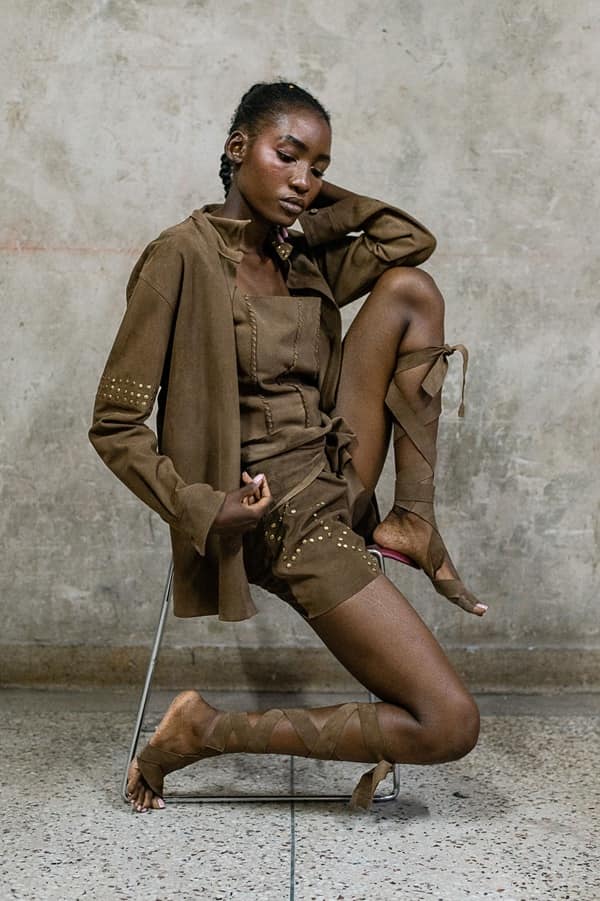 Photo: Nairobi Fashion Week 2026/Daniel Kempf-Seifried
 The presentation of earth-toned ensembles, with models styled as modern interpretations of nomadic warriors, highlighted wide-legged trousers in hand-loomed cotton and cropped tops with intricate patterns. VAST’s strategy includes workforce empowerment through training programs, preserving traditional skills that are at risk of being lost to industrialisation. The collection served as a narrative of cultural preservation, supporting the “Decarbonise” theme by emphasising quality over quantity.
Molivian, established in 2021, distinguished itself through a commitment to circular fashion. Addressing Kenya’s textile waste challenges, the brand upcycles both local and imported second-hand materials to create unique garments.
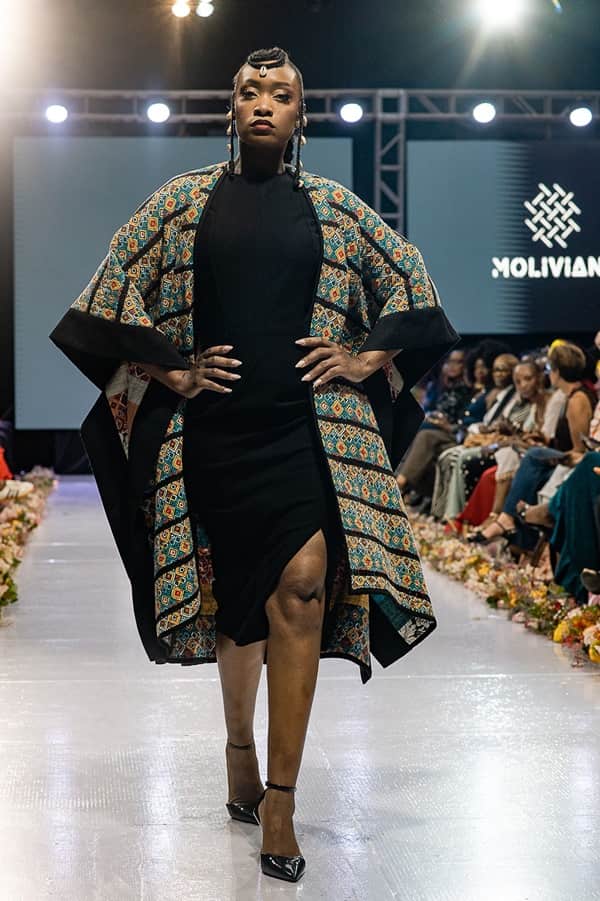 Photo: Nairobi Fashion Week 2026/Daniel Kempf-Seifried
 The runway presentation featured patchwork constructions, layered fabrics, and relaxed silhouettes. Notable pieces included a patchwork maxi dress crafted from denim scraps and vibrant kitenge remnants, with an asymmetrical hemline, and a utility jacket with multiple pockets, each panel representing renewal.
Molivian’s designs balance functionality and artistry, directly addressing environmental concerns while appealing to eco-conscious consumers. By transforming waste into wearable art, the brand demonstrated fashion’s potential to reduce landfill contributions and support a closed-loop system.
Wanni Fuga from Nigeria made a notable debut, introducing refined minimalism and elegant silhouettes to the runway. Designer Toluwani Wabara’s collection emphasized poise and purposeful femininity, featuring clean lines and high-quality fabrics tailored for confident African women.
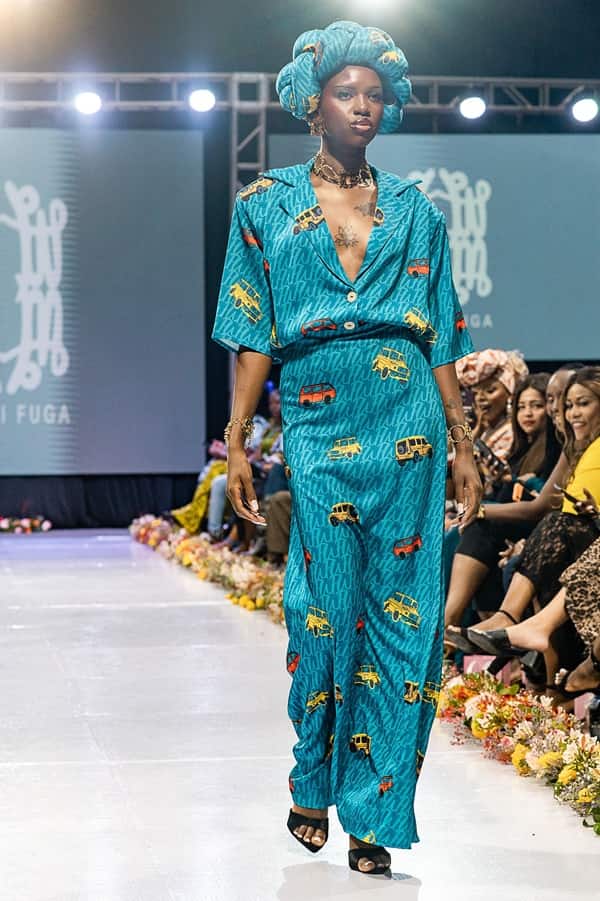 Photo: Nairobi Fashion Week 2026/Daniel Kempf-Seifried
 Key pieces included tailored midi dresses in silk blends and wide-legged pantsuits with subtle embellishments in deep jewel tones. A prominent design was a floor-length gown with a high neckline, distinguished by precise tailoring. Wanni Fuga’s emphasis on wearable luxury, achieved through careful fit and fabric selection, aligned with the event’s sustainability theme, as the Lagos-based label prioritises ethical sourcing and minimal waste. This international perspective contributed to the event’s global dialogue, highlighting the leadership of African designers in sustainable fashion.
John Kaveke, a designer with over two decades of experience, presented his eponymous label, contributing to the evolution of Kenyan menswear. His collection integrated African heritage with precise tailoring and bold prints, exploring themes of identity and creativity. Notable designs included structured blazers in kitenge patterns paired with slim trousers, and statement shirts with exaggerated collars inspired by traditional beadwork.
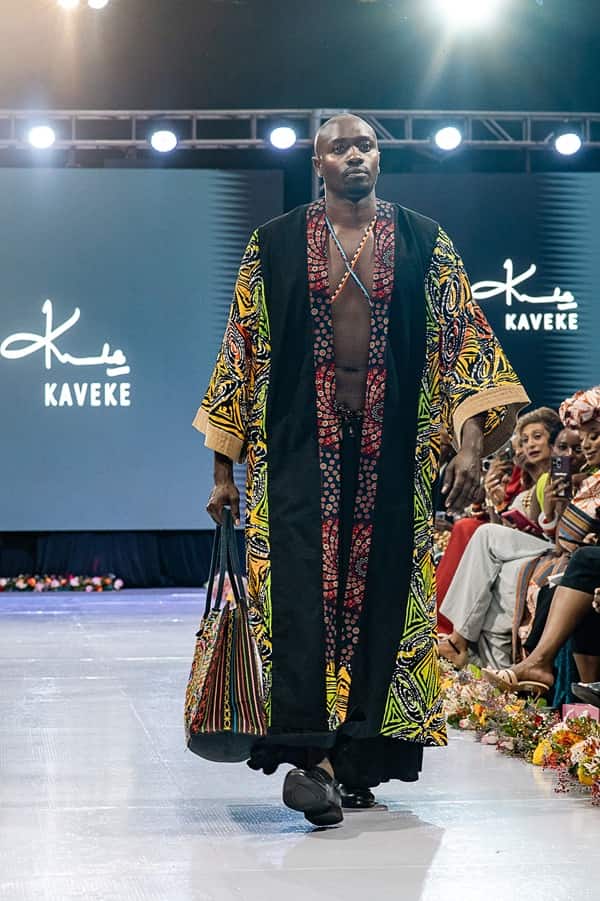 Photo: Nairobi Fashion Week 2026/Daniel Kempf-Seifried
 A particularly striking look featured a deconstructed suit with lapels decorated with recycled metal accents, representing the intersection of tradition and modernity. Kaveke’s work demonstrates a global outlook while maintaining cultural roots, offering distinctive options for those interested in innovative menswear.
Yvonne Odhiambo’s AfroStreet Kollections contributed dynamic energy to the event, drawing inspiration from African street culture through the use of bold colours and expressive materials. In her third appearance, Odhiambo presented a collection that combined Ankara fabrics, Maasai motifs, and elements of movement in designs such as flowing jumpsuits and layered skirts.
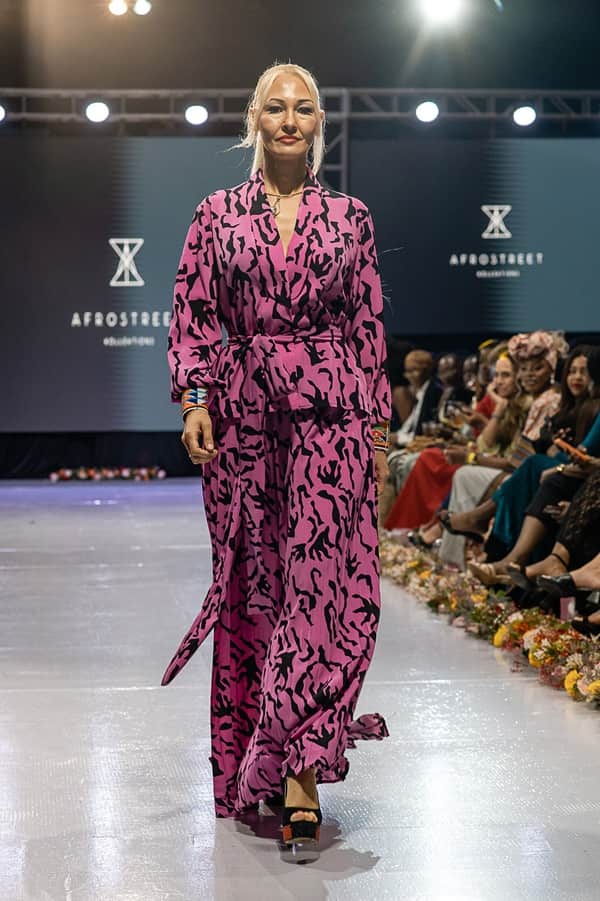 Photo: Nairobi Fashion Week 2026/Daniel Kempf-Seifried
 A notable ensemble featured mismatched prints, reflecting self-expression and cultural pride. The collection was designed for versatility, suitable for both Nairobi and international runways, and emphasised sustainability through local sourcing.
Additionally, the showcase included Afro-fusion designs with blended prints, sculptural tailoring, and bespoke techniques across bridal and corporate wear, such as a bridal gown with intricate beadwork. Rialto’s mentoring and local collaborations further highlighted industry support, establishing them as a significant presence at the event.
International participants contributed to the event’s diversity. Naaniya from France combined Malian techniques with contemporary design, presenting textured weaves in neutral tones. Yevana, representing both Sri Lanka and Kenya, introduced cross-cultural designs using sustainable fibres, including hybrid saris adapted as dresses. Bizarre Savage Couture from Germany presented avant-garde, deconstructed pieces, while Aci Nod from the USA incorporated urban minimalism with ethical considerations.
Beyond the runway, backstage activities were documented by photographers such as Daniel Kempf-Seifried, who captured fittings and final preparations. Panel discussions facilitated dialogue on decarbonising supply chains, and curated retail spaces enabled attendees to purchase directly from artisans.
Photo: Nairobi Fashion Week/Daniel Kempf-Seifried