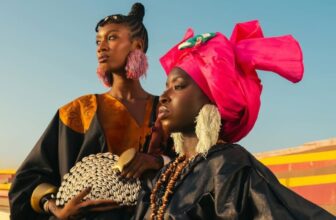
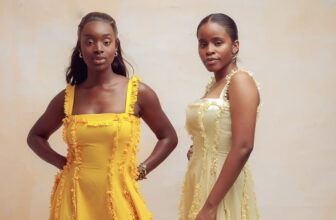
There’s something about Dakar that hits you the moment you step into the city. The ocean breeze carries rhythm, the markets explode with colors, and the people walk with a confidence that feels natural, not rehearsed.
But lately, there’s another layer to this energy. Fashion is everywhere, stitched into the fabric of daily life, worn boldly in the streets, celebrated on the runways, and broadcast across social media feeds worldwide.
Suddenly, Dakar is no longer just a city known for its music and art festivals; it’s becoming the new capital where African streetwear and couture meet, clash, and create something unforgettable.
The truth is, fashion has always been part of Dakar’s DNA. Tailors in neighborhood shops have for generations crafted pieces that carried pride, whether it was a flowing boubou for ceremonies or intricately embroidered dresses for weddings.
But what’s happening now feels different. It’s younger, edgier, and more connected to global conversations.
Streetwear brands born in Dakar are pushing bold slogans, mixing traditional fabrics with hoodies and sneakers, and grabbing attention in places as far away as Paris and Tokyo. At the same time, couture designers are crafting gowns so detailed and original that they rival any European atelier. Dakar is not choosing between casual and high fashion; it’s rewriting the rules so both coexist naturally.
Why now? A big part of the answer is the youth. Senegal has one of the youngest populations in the world, and with youth comes restlessness, creativity, and the hunger to be seen. Social media has become their stage.
Instead of waiting for Milan or Paris Fashion Week or Milan to take notice, young Dakar designers and stylists are posting their looks online. A Wolof phrase on a T-shirt, a wax-print sneaker, a denim jacket painted with graffiti inspired by local proverbs; these go viral overnight. They’re not asking for permission to join the fashion conversation. They’re shaping it from the streets of Dakar. And the world is watching.
The rise of Dakar Fashion Week plays a role here, too. Founded by Adama Paris, it has grown into a global platform. But unlike many fashion weeks that focus on exclusivity, Dakar Fashion Week is refreshingly open.
It gives the same spotlight to streetwear kids experimenting with screen-printed tees as it does to couture designers hand-stitching gowns. That mix is the city’s strength.
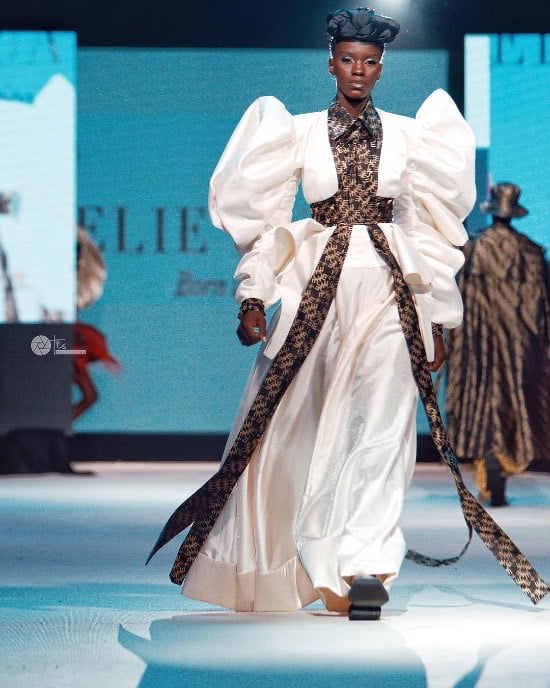 Photo: Instagram/edyotisberry
 Step outside the shows and you’ll see how the streets themselves become runways. Markets like Sandaga and Colobane aren’t just places to buy fabric; they’re where inspiration is born.
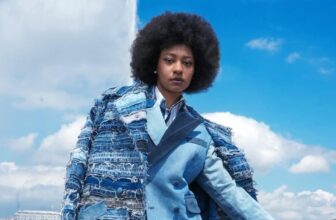
The colors, the chaos, the second-hand stalls, and the chatter of bargaining all feed into how young people style themselves. Streetwear here often starts with customization. Jeans patched with wax cloth, T-shirts repurposed with hand-painted designs, sneakers decorated with beads or embroidery. Nothing is off-limits.
Creativity thrives not despite limited resources but because of them. This ability to remix what’s available and make it personal is exactly why Dakar fashion feels alive.
Then there are the designers who have taken Dakar’s name to the global stage. Selly Raby Kane, with her futuristic take on African heritage, has shown the world that Dakar sets trends.
Her pieces are worn by global celebrities and featured in major magazines, but she still calls Dakar home.
The fashion designer is part of a generation proving that you don’t need to leave to make it. By staying rooted in Dakar, she strengthens the city’s place as a hub. Other designers are following that example, choosing to grow their studios locally while exporting their ideas globally.
Another reason the world is paying attention is sustainability. For many Senegalese communities, reusing and repurposing materials is second nature. Old clothes aren’t wasted; they’re reimagined.
Local artisans hand-dye fabrics, weave textiles, and embroider details without the massive waste associated with industrial fashion. At a time when the global fashion industry is being criticized for its environmental footprint, Dakar’s natural rhythm of sustainable practices makes it look like a leader rather than a follower.
 Photo: Instagram/mrgn_.jpeg
 Music and art play their part, too. Dakar has always been a city where disciplines collide. Hip hop stars wear local streetwear brands in their videos. Graffiti artists paint murals that later appear as prints on jackets.
Traditional drummers inspire patterns that end up embroidered on couture gowns. The overlap between art forms creates a cultural loop that keeps fashion innovative.
The diaspora also fuels this growth. Dakar is a gathering point for Africans living abroad who return for festivals or family visits. They come with global exposure, new ideas, and often money to invest. But they also leave with suitcases full of Dakar fashion.
Some even collaborate with local designers, creating collections that live between worlds. This constant exchange means Dakar is not isolated but always in conversation with the wider African and global fashion scenes.
Of course, the road isn’t perfect. Designers face real challenges: limited funding, lack of mass-production facilities, and expensive shipping for international orders. But instead of being crushed by these problems, Dakar designers use them to their advantage.
Small-batch production creates exclusivity. Limited runs make the clothes more desirable. Buyers abroad are willing to pay more for something authentic and handcrafted rather than mass-produced. What might look like a weakness on paper becomes a selling point in practice.
One thing that makes Dakar especially fascinating is the blurred line between couture and streetwear. In most cities, couture is reserved for elites, and streetwear is for everyday use. In Dakar, the categories overlap constantly.
A gown may carry street-inspired graffiti. A hoodie may feature hand embroidery normally reserved for ceremonial garments. That fluidity reflects the city’s refusal to be boxed in. It’s a place where fashion genres don’t compete but merge into something uniquely Dakar.
Tourism helps spread the word as well. Visitors often say they didn’t just leave Dakar with memories but with wardrobes transformed. Whether it’s a hand-dyed dress bought in a market or a limited-edition streetwear hoodie found at a pop-up, fashion becomes a souvenir of the city. And every time these pieces are worn abroad, they spark conversations about where they came from, giving Dakar’s reputation another boost.
 Photo: Instagram/esyotisberry
 Looking at the future, it’s hard not to feel optimistic. Dakar has the creativity, the energy, and the cultural richness to keep growing as Africa’s fashion hub. International investors are taking an interest, more designers are gaining visibility, and global publications are starting to treat Dakar not as an outsider but as a trendsetter.
Dakar’s rise tells us something bigger about Africa’s role in global fashion. For too long, Africa has been seen only as inspiration; its fabrics, colors, and patterns borrowed by Western brands with little credit. Dakar flips that narrative. It says Africa is not just a source of raw material or ideas, but the place where the innovation itself is happening. The hub is not in Europe; the hub is here. And Dakar is leading the way.
When you walk through the streets of Dakar today, you’re not just seeing fashion; you’re witnessing a movement. Kids skateboarding in custom tees, tailors stitching gowns fit for royalty, musicians wearing local brands on stage, tourists shopping in markets that feel like treasure hunts. It’s a living reminder that fashion is not only about what you wear but about who you are and where you come from.
Dakar has embraced that truth and turned it into a force that the whole world can feel. And that is why the city is fast becoming the new hub for African streetwear and couture.
Photo: Instagram/_zadada_
You May Also Like:
15 Unpopular African Fabrics You Didn't Know Existed
March 13, 20267 Emerging Fashion Brands in Ghana You Need to Know
March 2, 20266 African Denim Brands that are Reimagining the Fabric
February 25, 202613 Aso-Oke Styles You’d Want to Copy Now
February 17, 2026The Ultimate Guide to Aso-Ebi Attire for Wedding Guests
February 15, 202611 Nigerian Clothing Brands You Need In Your Wardrobe In 2026
February 13, 202610 African Male Models Who Just Made Their Fashion Week Debut
February 4, 2026Nairobi Fashion Week 2026: Decarbonizing the Runway with African Ingenuity
February 2, 202611 Ankara Styles That Will Dominate The New Year
January 7, 2026Highlights from the 2025 Africa Fashion Week Nigeria
December 22, 2025Wana Sambo Returns With a New Collection Inspired by New Beginnings
December 18, 2025Everything You Need To Know About Nairobi Fashion Week 2026
December 16, 2025


Esther Ejoh is a Fashion Editor at Fashion Police Nigeria, where she writes all things fashion, beauty, and celebrity style, with a sharp eye and an even sharper pen. She’s the girl who’ll break down a Met Gala look one minute, rave about a Nigerian beauty brand the next, and still find time to binge a movie or get lost in a novel. Style, storytelling, and self-care? That’s her holy trinity.