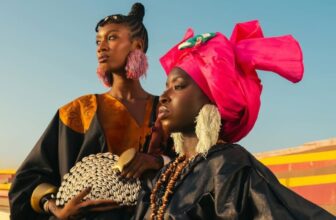
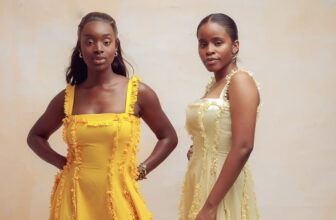
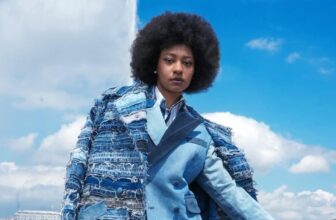
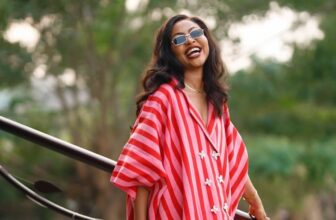
When you see a lady wearing an Algerian kaftan for the first time, it’s hard not to pause and admire. The flowing lines, the shimmering embroidery, and the regal fabrics immediately command attention.
The Algerian kaftan is a bridge between centuries. For Algerian women, wearing one is like stepping into the footsteps of their grandmothers, reliving traditions that have been carefully preserved and lovingly passed down. Each stitch tells tales of family pride, of ceremonies filled with music and joy, of brides adorned in gold thread as they began new lives.
And yet, this ancient garment is not stuck in the past. In December 2024, the Constantine Kaftan (Kaftan El-Kadi) was officially inscribed by UNESCO on the Representative List of the Intangible Cultural Heritage of Humanity. This international recognition was a signal to the world that the kaftan is a living tradition, one that continues to inspire, evolve, and thrive.
Today, the Algerian kaftan is enjoying a powerful comeback. From wedding halls in Algiers to fashion runways in Paris, and cultural festivals in Canada, as well as Instagram feeds worldwide — the kaftan has stepped back into the spotlight. It is adored for its elegance, celebrated for its history, and embraced as a symbol of Algerian pride.
But how did a centuries-old garment manage to stay relevant in an age of fast fashion? How has it gone from being a sacred piece of bridal clothing to an international fashion statement? And what does its resurgence mean for Algerian identity today?
To understand the comeback of the Algerian kaftan, we need to look at its roots, its symbolism, its craftsmanship, and its journey from tradition to trend. What we will find is more than a dress. We will discover a living legacy that continues to define, inspire, and empower generations of Algerian women.
The Historical Roots of the Algerian Kaftan
The Algerian kaftan’s roots stretch back to the 16th century, during the Ottoman era. Introduced as a symbol of refinement and nobility, the kaftan quickly found its place in Algerian society. Worn by women of status, it became the ultimate mark of prestige.
Historical documents provide fascinating proof of its importance. In archives from Constantine and Algiers, 17th-century marriage certificates list kaftans as part of bridal dowries. This shows that even hundreds of years ago, the Algerian kaftan was considered an essential possession for women, not just as clothing but as an inheritance of value and pride.
 Photo: Instagram/axya_bn
 What makes the Algerian kaftan particularly remarkable is how it evolved with Algerian identity. Although influenced by Ottoman style, Algerians adapted it with their own embroidery techniques, fabrics, and patterns, making it uniquely theirs. Over centuries, the kaftan became a cultural emblem of Algerian womanhood.
The Constantine Kaftan: A UNESCO-Recognized Masterpiece
Among the many variations of the Algerian kaftan, one stands out: the Constantine Kaftan, also known as Kaftan El-Kadi. This version, rich in embroidery and made with luxurious fabrics like silk and velvet, is especially worn during weddings and major ceremonies.
In December 2024, the Constantine Kaftan received one of the highest forms of recognition when UNESCO added it to the Representative List of the Intangible Cultural Heritage of Humanity. This was not only an acknowledgment of Algerian craftsmanship but also a celebration of the communities that have kept this art alive.
For artisans, this recognition means their work is now globally respected. For Algerians, it means the world now sees what they have always known, that the kaftan is a living cultural treasure.
Symbolism and Cultural Significance of the Algerian Kaftan
The kaftan carries layers of symbolism. Its colors often represent emotions and values:
-
Red and gold symbolize joy, prosperity, and love, making them popular for bridal wear.
-
Green reflects fertility, renewal, and blessing.
-
Blue is often linked to protection and spirituality.
The embroidery is equally meaningful. Hand-stitched designs often draw inspiration from nature; flowers, vines, and stars, representing beauty, growth, and hope. A kaftan, therefore, is more than fashion. It is a canvas of cultural storytelling, a garment that says who you are and where you come from.
For many women, wearing a kaftan connects them to generations before them. For them, the kaftan becomes a ritual of belonging, an act of honoring ancestors while celebrating present moments.
Evolution of the Algerian Kaftan Through the Centuries
The beauty of the Algerian kaftan lies in its ability to adapt while staying true to its origins. From the 16th century until today, the garment has gone through waves of transformation, each era leaving its own imprint.
-
Ottoman Era (16th–18th century): The Algerian kaftan was luxurious, heavy with brocade and golden embroidery. It was worn by women of status, and its opulence reflected family wealth.
-
19th Century: As Algeria became more connected with Europe, new fabrics such as satin and lace began to influence kaftan-making. The silhouette became slightly more tailored, but it never lost its flow and grace.
-
20th Century: With the rise of modern fashion, the Algerian kaftan adapted again. Embroidery remained a signature feature, but designers experimented with new cuts, necklines, and accessories.
 Photo: Instagram/kaftastique
 -
21st Century: Today, the Algerian kaftan is both traditional and contemporary. It can be grand and ceremonial, or minimal and chic for casual gatherings.
This ability to evolve without losing identity is why the kaftan has survived centuries while many other traditional garments faded away. It has never been just a relic of the past; it has always been alive, growing, and reshaping itself alongside Algerian women.
Materials and Craftsmanship Behind the Kaftan
What truly sets the Algerian kaftan apart is the craftsmanship. It is not mass-produced; it is handmade, piece by piece, stitch by stitch.
The fabrics are carefully chosen:
-
Velvet for regal ceremonies.
-
Silk and satin for elegance and fluidity.
-
Cotton or lighter fabrics for comfort in everyday wear.
But the soul of the Algerian kaftan lies in its embroidery, known as fetla. Using gold or silver thread, artisans create patterns that can take weeks or even months to finish. Some kaftans are decorated with pearls, sequins, or semi-precious stones, making them not just clothing but wearable art.
Many artisans learn the skill from their mothers and grandmothers, turning kaftan-making into a generational craft. To wear the Algerian kaftan is to wear hours of love, effort, and artistry woven into fabric.
The Bridal Connection: Kaftan in Marriage Traditions
Few garments hold as much emotional weight in Algerian traditional weddings as the kaftan. For centuries, it has been an essential piece of a bride’s trousseau. Historical marriage contracts from the 17th century even listed kaftans as mandatory bridal possessions, highlighting their importance in marking the start of a woman’s new life.
In traditional Algerian weddings, a bride may wear multiple kaftans over several days of celebration. Each kaftan is chosen with care, often in vibrant colors and detailed embroidery, symbolizing fertility, happiness, and prosperity. The Constantine kaftan, in particular, is considered the crown jewel of bridal attire.
Even today, no Algerian wedding feels complete without the bride stepping out in at least one kaftan. Modern brides may wear Western gowns for part of the ceremony, but the kaftan remains the moment when she looks most connected to her culture and ancestry.
The Modern Representation of the Algerian Kaftan
Walk into an Algerian wedding today, and you’ll see it immediately: the kaftan has never looked more alive. Brides wear them with pride, bridesmaids match in shimmering variations, and guests arrive in designs that range from traditional to fashion-forward.
Social media has amplified this comeback; young Algerian women post pictures of themselves in kaftans on Instagram and TikTok, where hashtags like #KaftanAlgerien and #ModeAlgérienne are filled with dazzling outfits.
This revival isn’t limited to Algeria itself. In Paris, London, and Montreal, Algerian diaspora communities host cultural festivals where the kaftan takes center stage. What makes this comeback especially powerful is that it is driven not by nostalgia but by relevance. Younger generations aren’t just wearing Algerian kaftans to please their elders; they’re wearing them because they find the ensemble beautiful, empowering, and versatile.
 Photo: Instagram/dreams_of_milla
 Today, the kaftan has become a garment that allows Algerian women to celebrate both tradition and individuality. One woman may choose a heavily embroidered, classic Constantine kaftan for her wedding, while another may opt for a sleek, minimalist version for a cocktail event. The comeback is about freedom of expression, and the kaftan provides the perfect canvas for it.
Algerian Kaftan in Global Fashion Trends
The kaftan is no longer confined to Algerian wardrobes; it has become part of the global fashion conversation. International designers are increasingly drawing inspiration from the Algerian silhouette and embroidery. In recent years, fashion houses in Paris, Dubai, and even New York have showcased gowns that bear striking similarities to the Algerian Constantine kaftan, sometimes openly crediting North African inspiration.
At the same time, Algerian fashion designers are gaining global attention. They showcase their collections at international fashion weeks, where they are proving that Algerian heritage can sit proudly alongside haute couture. Kaftans are also making appearances at red-carpet events, worn by celebrities who are attracted to their regal, flowing elegance.
Modern Algerian designers are playing a crucial role in bringing the kaftan back into fashion. They are reimagining it in ways that appeal to younger audiences while staying true to tradition. Some of the most popular trends include:
-
Slimmer cuts that flatter modern silhouettes.
-
Minimal embroidery for more casual wear.
-
Fusion designs combine kaftans with Western elements like belts, jackets, or statement jewelry.
These designers are bridging the gap between heritage and modern fashion, proving that a garment can evolve without losing its soul. They are also taking kaftans to the international stage, helping Algeria’s cultural identity shine globally.
The kaftan has also found a new life in pop culture. Algerian television series often feature characters in traditional kaftans during weddings or celebrations, reinforcing the garment’s place in everyday life. Social media influencers post kaftan styling tips, gaining millions of views.
Celebrities have also embraced the trend. Algerian stars proudly wear kaftans at award shows, while international figures occasionally appear in kaftan-inspired gowns, sparking curiosity about Algerian fashion. With every photo shared and video posted, the kaftan’s story spreads further, reaching audiences who may have never even heard of it before.
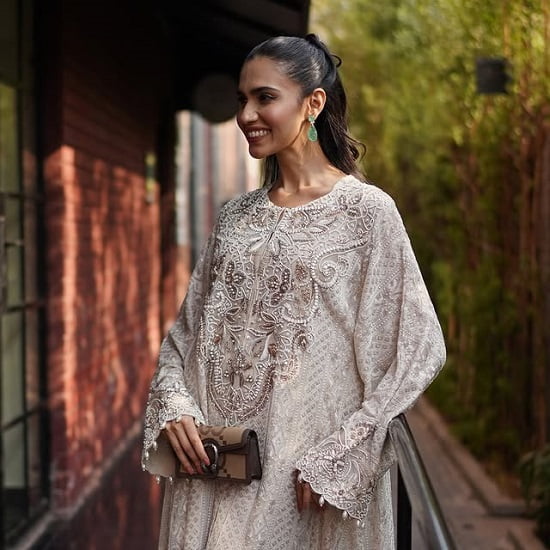 Photo: Instagram/ammarakhanatelier
 Additionally, the Algerian diaspora has been instrumental in taking the kaftan beyond Algeria’s borders. In France, Canada, the UK, and the US, Algerian women proudly wear kaftans at weddings, cultural festivals, and even on red carpets. These moments are acts of cultural preservation in foreign lands.
Diaspora communities often share photos and videos of their kaftans online, creating a ripple effect. Non-Algerians, seeing the beauty and elegance of the garment, become curious and inspired. Slowly, the Algerian kaftan transforms from being a national treasure into a global fashion icon, admired by diverse cultures.
For second and third-generation Algerians abroad, the kaftan is also a way to stay connected to their roots. Wearing it is a reminder of who they are, even as they navigate life in multicultural societies.
How to Style and Wear the Algerian Kaftan Today
Part of the kaftan’s modern appeal lies in its versatility. It can be styled in countless ways, making it suitable for both traditional ceremonies and contemporary occasions.
-
For Weddings: The classic Constantine kaftan, richly embroidered in gold and paired with ornate jewelry, remains the highlight of bridal wardrobes. Brides often complement the look with a traditional belt (hizam) and a matching headpiece, creating an appearance that is both majestic and deeply rooted in culture.
-
For Parties and Celebrations: Modern kaftans come in lighter fabrics like chiffon or silk, with simpler embroidery. Paired with heels, clutches, and statement earrings, they strike the perfect balance between tradition and modern glamour.
-
For Everyday Wear: Younger women are reinventing the kaftan as a casual outfit by pairing shorter versions with belts, boots, or even sneakers. This playful approach proves that the Algerian kaftan can live outside of ceremonies and enter daily fashion.
The Algerian kaftan has traveled a remarkable journey. From its Ottoman roots in the 16th century to its role in weddings and celebrations, from its presence in museums to its revival on runways, it has remained a garment of grace, pride, and identity.
Today, its comeback is not just about fashion trends but about cultural resilience. Algerians, both at home and abroad, are reclaiming the kaftan as a living tradition that speaks to who they are. Designers are reinventing it, young women are styling it in modern ways, and institutions are safeguarding it for the future.
The kaftan is proof that tradition and modernity do not have to be at odds. Instead, they can weave together to create something timeless.
As Algeria continues to celebrate its cultural treasures, one thing is clear: the Algerian kaftan will continue to thrive. It will remain a symbol of elegance, identity, and pride, passed from generation to generation; always evolving, always inspiring, always rooted.
Photo: Instagram/falahapparel
You May Also Like:
15 Unpopular African Fabrics You Didn't Know Existed
March 13, 20267 Emerging Fashion Brands in Ghana You Need to Know
March 2, 20266 African Denim Brands that are Reimagining the Fabric
February 25, 202613 Aso-Oke Styles You’d Want to Copy Now
February 17, 2026The Ultimate Guide to Aso-Ebi Attire for Wedding Guests
February 15, 202611 Nigerian Clothing Brands You Need In Your Wardrobe In 2026
February 13, 202610 African Male Models Who Just Made Their Fashion Week Debut
February 4, 2026Nairobi Fashion Week 2026: Decarbonizing the Runway with African Ingenuity
February 2, 202611 Ankara Styles That Will Dominate The New Year
January 7, 2026Highlights from the 2025 Africa Fashion Week Nigeria
December 22, 2025Wana Sambo Returns With a New Collection Inspired by New Beginnings
December 18, 2025Everything You Need To Know About Nairobi Fashion Week 2026
December 16, 2025


Esther Ejoh is a Fashion Editor at Fashion Police Nigeria, where she writes all things fashion, beauty, and celebrity style, with a sharp eye and an even sharper pen. She’s the girl who’ll break down a Met Gala look one minute, rave about a Nigerian beauty brand the next, and still find time to binge a movie or get lost in a novel. Style, storytelling, and self-care? That’s her holy trinity.