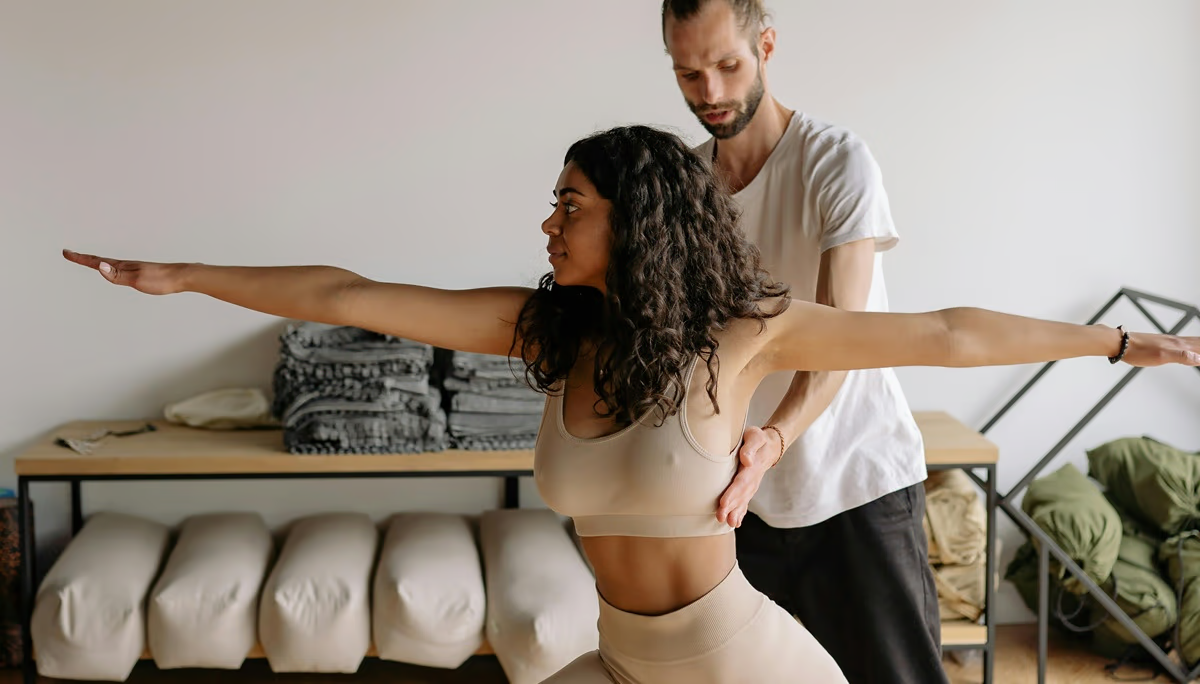
Incorporating Tai Chi Walking into your exercise routine offers benefits for physical health and mental well-being. This gentle movement, rooted in ancient Chinese tradition, enhances balance, flexibility, and cardiovascular fitness while promoting relaxation and mindfulness.
As a low-impact exercise, Tai Chi Walking suits all fitness levels and ages, making it an ideal addition to a comprehensive workout regimen.
Read on to discover why Tai Chi Walking is a valuable component of your regular exercise routine.
What is Tai Chi Walking?
Tai Chi Walking is a mindful movement practice that integrates the principles of traditional Tai Chi with walking, promoting balance, relaxation, and body awareness. Rooted in ancient Chinese martial arts and health practices, it focuses on slow, deliberate steps with coordinated breathing and postural alignment to enhance physical and mental well-being.
 Photo: iStock
 Tai Chi Walking emphasises cultivating internal energy, or “Qi,” through gentle, flowing movements. Practitioners maintain a stable yet flexible posture, keeping the spine aligned and shoulders relaxed. Steps are taken with mindfulness and intention, often described as “rooting” the body to the ground, which improves stability.
Key principles of Tai Chi Walking include:
- Mindful Awareness: Being fully present during each step to cultivate a heightened sense of body and breath connection.
- Postural Integrity: Maintaining an upright and relaxed spine to facilitate smooth energy flow and prevent tension.
- Controlled Breathing: Coordinating breath with movement to support relaxation and focus.
- Smooth, Continuous Movement: Avoiding abrupt or jerky motions by moving fluidly and gracefully.
- Balance and Weight Shifting: Practicing controlled weight transfer to strengthen lower body stability and coordination.
Tai Chi Walking involves slow, purposeful steps where the heel rolls forward onto the ball of the foot before placing the toe. The arms move in harmony with the legs, and subtle shifts in the hips and torso support the flow of movement. This method fosters physical benefits like improved posture, balance, and circulation, and also encourages mental calmness and stress reduction.
Tai Chi Walking blends exercise, meditation, and martial art principles, making it accessible to people of all ages and fitness levels. Used alone or within broader Tai Chi routines, it effectively enhances holistic health through mindful, intentional walking.
The Rising Popularity of Tai Chi Walking in Modern Exercise Routines
In recent years, Tai Chi Walking has gained traction as a complementary practice in modern exercise routines. Rooted in traditional Chinese martial arts, it blends mindful movement with focused breathing, offering a holistic approach to health and wellness. This fusion meets the growing demand for low-impact, meditative activity that promotes balance, flexibility, and mental clarity.
 Photo: Getty Images
 As more people seek alternatives to high-intensity workouts, Tai Chi Walking’s gentle yet effective approach appeals to a broad demographic, including older adults and those recovering from injury. Its integration into mainstream fitness programs reflects growing recognition of the connection between mind and body in achieving well-being.
The Health Benefits of Incorporating Tai Chi Walking into Your Fitness Regimen
Tai Chi Walking is a gentle yet powerful practice that blends the flowing movements of traditional Tai Chi with the rhythm of walking. Integrating it into your fitness routine offers many health benefits that support physical and mental well-being.
-
Improved Balance and Coordination
A key advantage of Tai Chi Walking is its positive impact on balance and coordination. The slow, deliberate steps and controlled movements enhance proprioception, your body’s ability to sense its position in space. This benefits older adults at risk of falls and helps athletes and fitness enthusiasts improve stability.
Enhanced Cardiovascular Health
Though Tai Chi Walking is low-impact, it promotes cardiovascular health by encouraging sustained movement that gently raises the heart rate. It serves as effective aerobic exercise for all fitness levels, aiding circulation and heart function without undue strain.
-
Stress Reduction and Mental Clarity
The meditative aspect of Tai Chi Walking fosters mental calmness and stress relief. Focusing on breathing, posture, and movement rhythm reduces anxiety and promotes mindfulness. Regular practice can improve mental clarity and emotional resilience, contributing to a balanced lifestyle.
-
Increased Flexibility and Muscle Strength
Tai Chi Walking gently stretches muscles and joints, enhancing flexibility over time. The controlled movements engage various muscle groups, promoting muscle tone and strength without the injury risk of high-impact workouts.
-
Better Posture and Body Alignment
By emphasizing awareness of body positioning, Tai Chi Walking encourages better posture and alignment. This can alleviate chronic aches and pains from poor posture, such as back and neck discomfort, and improve respiratory efficiency.
Incorporating Tai Chi Walking into your fitness regimen offers a holistic approach to health that nurtures body, mind, and spirit. Whether you are new to exercise or looking to complement an existing routine, this practice provides a sustainable, enjoyable way to enhance well-being.
How Tai Chi Walking Enhances Mental Wellness and Reduces Stress
Tai Chi walking combines the gentle, mindful movements of Tai Chi with the rhythm of walking, offering a powerful approach to enhancing mental wellness and reducing stress. Rooted in traditional Chinese medicine and martial arts, it emphasizes balance, fluid motion, and breath control, which cultivate calm and body awareness.
Practicing Tai Chi walking helps individuals immerse in the present moment, promoting mindfulness that can reduce anxiety and depressive symptoms. Synchronizing breath with slow movements activates the parasympathetic nervous system, lowering heart rate, reducing muscle tension, and decreasing stress hormone levels.
The meditative aspect of Tai Chi walking interrupts stressful thoughts by focusing attention on bodily sensations and the environment, which improves emotional regulation and fosters mental clarity. Research shows regular practice enhances cognitive function, boosting concentration and memory while reducing the effects of chronic stress.
In addition to mental health benefits, Tai Chi walking improves physical balance and mobility, which can increase confidence and reduce fear of falling. Because it is low-impact and accessible to all fitness levels, Tai Chi walking serves as an inclusive tool for holistic stress reduction.
Incorporating Tai Chi walking into a daily routine offers a sustainable, enjoyable way to nurture mental wellness and manage stress. Through mindful movement and conscious breathing, individuals can cultivate serenity, resilience, and a harmonious connection between mind and body.
Practical Tips for Beginners: How to Start Practicing Tai Chi Walking
 Photo: iStock
 Getting started with Tai Chi Walking can be a rewarding journey toward greater balance, relaxation, and mindful movement. If you’re new to this practice, here are some practical tips to help you ease into it and make it a consistent part of your routine:
-
Find a Quiet Spot
Choose a calm, open space where you can walk comfortably without distractions. It could be a park, a quiet street, or a spacious room at home. The key is an environment that supports focus and gentle movement.
-
Wear Comfortable Clothing and Shoes
Opt for loose, breathable clothes that allow free movement. Your shoes should be flat and flexible for a good ground connection, not bulky sneakers.
-
Start with Basic Posture
Before you begin, stand tall with feet shoulder-width apart, knees slightly bent, and arms relaxed by your sides. Imagine a string pulling you up from the crown of your head to maintain good posture.
-
Focus on Your Breath
Tai Chi Walking emphasizes smooth, natural breathing. Inhale through your nose and exhale through your mouth. Sync your breath with your steps to promote relaxation and flow.
-
Take Slow, Intentional Steps
Begin walking slowly, placing one foot in front of the other with mindfulness. Feel the heel touch the ground first, then roll forward to your toes. Each step should be deliberate and balanced.
-
Maintain Awareness
Stay present with the sensations in your body and surroundings. If your mind wanders, gently bring your focus back to your breath and movement.
-
Practice Regularly, Even if Briefly
Consistency is more important than duration. Start with 5–10 minutes a day to build the habit without feeling overwhelmed.
-
Consider Guided Sessions
If possible, join a Tai Chi class or use instructional videos for Tai Chi Walking. This can provide valuable feedback and keep you motivated.
In conclusion, embracing Tai Chi Walking offers a blend of physical activity, mindfulness, and holistic wellness that can enhance overall health. By integrating the gentle, flowing movements of Tai Chi with the rhythm of walking, practitioners cultivate balance, strength, and mental clarity.
This practice supports cardiovascular health and muscular endurance while fostering stress reduction and emotional resilience. As part of a comprehensive approach to well-being, Tai Chi Walking is an accessible, sustainable exercise that encourages a deeper connection between mind and body. Incorporating this mindful movement into your daily routine can improve quality of life, making it a valuable tool for those seeking a balanced, healthful lifestyle.
Photo: Getty Images
You May Also Like:
Kim Kardashian's SKIMS and Nike Unveil a Collection Featuring Serena Williams and Other Female Athle...
September 23, 2025Serena Williams Gets Real About Her Weight Loss Journey With The GPL-1 Drugs
August 22, 2025The Best Workout Ideas to Kickstart the New Year
January 13, 2025Find Your Balance: How Often Should You Exercise?
December 18, 202410 Ways to Achieve Your Fitness Goals Before the End of the Year
November 11, 202411 Exercises To Help Sculpt Your Body Like a Pro
August 19, 2024Why You Should Try The CorePower Yoga
April 8, 2024Essential Yoga Poses for Optimal Mind-Body Connection
February 23, 2024Extending the Lifespan of Your Fitness and Training Shoes
February 8, 2024A Guide to Maintaining Your Fitness Goals During the Holiday Season
November 29, 2023Best Exercises for a Healthy Pregnancy by Trimester
October 16, 2023How to Redefine Your Health and Fitness Objectives Post-Injury Accident
October 5, 2023


Your number #1 fashion obsessed guy. Ubong Richmond is a fashion editor with Fashion Police NG - one who derive joy monitoring and spotting new trends. You will also find me stalking celebrity wardrobes and fashion brands that are about to blow-up.