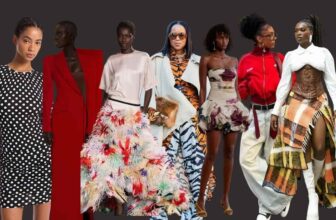
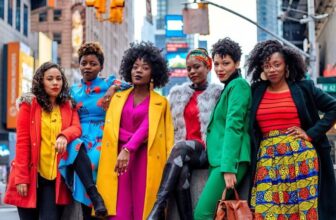
There is a quiet pressure many people feel when they stand in front of their wardrobe or scroll through an online store. It is not always about finding clothes that fit well or feel comfortable. Often, it is about finding something with a recognizable name stitched inside the collar or printed boldly across the chest.
Dressing for labels has become a social habit that goes beyond fashion. It has turned into a way people try to explain who they are without saying a word. While clothes have always carried meaning, the modern obsession with designer names has shifted focus away from personal taste and moved it toward public approval. This shift comes with consequences that affect confidence, finances, creativity, and even self-respect.
Fashion was once a tool for expression. People choose outfits based on climate, culture, work, mood, and personality. Over time, branding entered the scene and began to tell consumers what was valuable and what was not. Instead of asking whether a piece feels right, many now ask whether it is recognized.
This change has trained people to see clothing as proof of status rather than as a reflection of identity. The problem with this way of thinking is simple but deep. When you dress for labels, you slowly stop dressing for yourself.
 Photo Courtesy
 One of the biggest issues with dressing for labels is how it distorts self-worth. Wearing a known fashion brand can feel like validation, especially in environments where appearance is closely watched. Social media has made this worse by turning daily outfits into public displays open to judgment. Likes, comments, and shares have become measurements of style success.
In such a space, it is easy to believe that value comes from what you wear rather than who you are. Over time, this belief can weaken confidence. Instead of feeling secure, people become dependent on external approval, always chasing the next purchase to maintain a certain image.
There is also the financial pressure that comes with label-focused dressing. Designer items often come with high prices that do not always match quality or usefulness. Many people stretch their budgets or go into debt just to keep up with trends or appear a certain way. This behavior is often justified as an investment in image, but the return is usually short-lived.
Trends change fast, and what feels impressive today may feel outdated tomorrow. When money is spent mainly to impress others, it rarely brings long-term satisfaction. Dressing for yourself, on the other hand, encourages thoughtful choices that last longer and feel more rewarding.
Another problem lies in how labels limit creativity. When people rely heavily on brand names, their style becomes predictable. Outfits start to look similar because they follow the same rules set by fashion houses and influencers. Personal flair gets lost in the process. True style is not about wearing what everyone else approves of. It is about mixing, experimenting, and sometimes breaking the rules.
Dressing for yourself allows room for discovery. It lets you learn what colors suit you, what shapes make you feel confident, and what fabrics you enjoy wearing. Labels rarely teach this kind of awareness.
There is also a cultural impact worth noting. In many societies, dressing for labels has become a way to signal success. This creates an unhealthy comparison cycle where people judge each other based on visible purchases. It can lead to exclusion, where those who cannot afford certain fashion brands feel less important or less stylish. Fashion then stops being inclusive and turns into a divider.
This goes against the original purpose of clothing, which is to serve human needs and comfort. When dressing for yourself, you step out of this comparison trap and allow others to do the same.
 Photo Courtesy
 The emotional cost of label-driven dressing is often overlooked. Many people feel anxiety about repeating outfits or being seen in something considered basic. This fear can take the joy out of getting dressed. Clothing should not be a daily source of stress. When you dress to please yourself, repetition becomes normal, comfort becomes acceptable, and enjoyment returns. You start to see clothes as companions in your daily life rather than as tools for performance.
Another issue is how labels can overshadow craftsmanship and fit. A well-made piece from an unknown maker can outperform an expensive branded item in comfort and durability. Yet many overlook such options because they lack name recognition.
This mindset supports mass production over thoughtful design and discourages small creators who focus on quality rather than marketing. Dressing for yourself often leads to appreciating these details. You begin to value how a garment feels on your body, how it moves with you, and how it supports your lifestyle.
There is also the matter of authenticity. When your wardrobe is built mainly around labels, it can start to feel like a costume rather than an extension of who you are. You may look polished, but feel disconnected. Authentic style comes from alignment between inner and outer worlds. It reflects your values, routines, and personality. Dressing for yourself supports this alignment. It allows your appearance to tell a story that feels honest rather than rehearsed.
 Photo Courtesy
 Social influence plays a strong role in label obsession. From celebrities to influencers, many public figures promote brands as symbols of success. While inspiration can be helpful, imitation without reflection leads to loss of individuality.
Not every trend suits every person, and not every popular item fits every lifestyle. Dressing for yourself requires self-awareness and courage. It means choosing what works for you, even if it does not receive instant applause.
The workplace is another area where dressing for labels can become problematic. In professional settings, there is often an unspoken expectation to look a certain way. Some believe that wearing expensive fashion brands signals competence or ambition. This belief can create pressure to spend unnecessarily just to fit in.
True professionalism, however, comes from behavior, skill, and reliability. Clothes should support your work, not distract from it. Dressing for yourself in a work environment means choosing pieces that make you feel capable and comfortable while still respecting the setting.
Environmental concerns also come into play. The constant chase for new labeled items contributes to waste and overproduction. Fast fashion and luxury fashion both have environmental costs. Buying fewer, more meaningful pieces reduces this impact.
Dressing for yourself often leads to slower consumption because choices are based on need and preference rather than hype. This approach supports a healthier relationship with clothing and the planet.
 Photo Courtesy
 It is important to note that enjoying brands is not the problem. Labels can represent quality, heritage, or design that resonates with you. The issue arises when labels become the main reason for choosing what to wear. When the name matters more than the experience, clothing loses its purpose. A fashion brand should be a bonus, not the foundation of your style.
Learning to dress yourself takes time. It starts with paying attention to how clothes make you feel throughout the day. Do you feel restricted or relaxed? Confident or self-conscious? Energized or distracted? These signals matter more than logos. Over time, patterns emerge that guide better choices. You begin to trust your judgment and rely less on outside approval.
There is also freedom in dressing for yourself that many people underestimate. Freedom from trends, from constant comparison, from financial strain, and from the fear of being seen as outdated. This freedom allows you to focus on what truly matters in your life. Clothes become supportive rather than demanding.
In many ways, dressing for yourself is an act of self-respect. It says that your comfort, values, and identity matter. It pushes back against a system that often tells people they are not enough without certain purchases. By choosing clothes that align with who you are, you reclaim control over your image and narrative.
The problem with dressing for labels instead of yourself is not just about fashion. It reflects a larger issue of seeking validation in external symbols. When you shift focus inward, style becomes personal again. It becomes a quiet confidence rather than a loud statement. And that kind of confidence does not fade with trends or seasons.
Ultimately, clothes should serve you, not the other way around. They should support your daily life, express your personality, and make you feel at ease. Labels may come and go, but a sense of self remains. Dressing for yourself honors that truth and turns fashion back into what it should have always been, a personal choice grounded in comfort, honesty, and self-awareness.
Photo Courtesy
You May Also Like:
Luxury Fashion Is More Than Just A High Price Tag
January 13, 2026Your Ultimate Guide to the 2026 Fashion Trends
January 8, 2026What Is Colour Blocking in Fashion? A Simple Guide to Wearing the Trend
December 24, 202523 Fashion Movies on Netflix to Add To Your Watch This Holiday
December 24, 2025Chanel Took Over The New York Subway for it's 2026 Métiers d’art Collection
December 3, 2025The Best Statement Accessories for Brown Skin Tones
December 2, 2025Fashion Awards 2025: See The Names Of All The Winners
December 2, 2025The Return of Velvet and Satin Dresses for Christmas Party
December 1, 202512 Fashion Trends You Should Stop Wearing In 2026
November 24, 2025The Festive Power of Metallic Jumpsuits
November 18, 2025Who Is Model Awar Odhiang? Everything You Need To Know
October 30, 2025Why the 90s Fashion Still Defines the Style of Today
October 23, 2025


Esther Ejoh is a Fashion Editor at Fashion Police Nigeria, where she writes all things fashion, beauty, and celebrity style, with a sharp eye and an even sharper pen. She’s the girl who’ll break down a Met Gala look one minute, rave about a Nigerian beauty brand the next, and still find time to binge a movie or get lost in a novel. Style, storytelling, and self-care? That’s her holy trinity.