Natural nail breakage is a problem many people experience, yet very few fully understand. Nails that split, peel, or snap easily are not just a beauty concern. They can affect daily comfort and confidence, and even signal deeper issues in the body or lifestyle.
Many people spend money on nail treatments for damaged nails without addressing the real reasons their nails keep breaking. To truly solve the problem, it is essential to understand what natural nails need, what damages them, and how long-term habits influence their strength.
Nails are constantly under stress. From washing hands to typing, cleaning, cooking, and grooming, nails are constantly in use. Unlike skin, nails do not repair themselves instantly.
Damage builds gradually, and by the time breakage becomes visible, the problem has often existed for weeks or months. This is why quick fixes rarely work. Strong nails require steady care, protection, and internal support.
Natural nail breakage does not mean your nails are weak by default. In most cases, breakage results from repeated damage, moisture imbalance, or nutritional gaps. Once these issues are identified and corrected, nails can recover and grow stronger over time.
This article explains everything you need to know, starting from how nails grow to the most effective ways to stop breakage permanently.
Understanding Natural Nail Structure and Growth
To understand why nails break, it is necessary to know how they are built. Nails are made mostly of keratin, a protein that forms tight layers stacked on top of each other. These layers give nails their firmness while allowing slight flexibility. When these layers separate or thin out, nails become weak and prone to damage.
Nail growth begins at the nail matrix, which is hidden beneath the cuticle and skin at the base of the nail. The cells produced here push forward, forming the nail plate you see. Because growth starts underneath the skin, damage at the tip often reflects problems that happened weeks earlier. This slow growth process explains why nail recovery takes time.
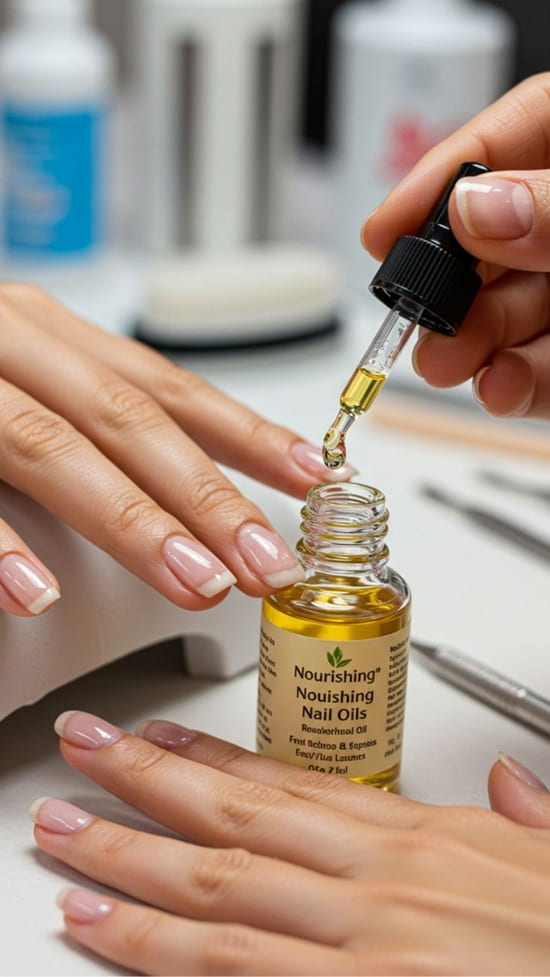 Photo Courtesy
 On average, fingernails grow a few millimeters each month. This means it can take several months to fully replace a damaged nail. Toenails grow even slower. Because of this, consistency matters more than intensity. Gentle daily care is more effective than occasional treatments.
When the nail matrix is healthy and protected, nails grow evenly and stronger. When it is stressed by trauma, dryness, or nutritional deficiency, nail quality suffers. Healthy growth depends on blood flow, nutrients, and protection from repeated damage.
How Excess Water Exposure Weakens Nails
Water exposure is one of the most underestimated causes of nail breakage. Nails are porous, meaning they absorb water easily. Each time nails get wet, they swell. When nails are dry, they shrink. Repeated expansion and contraction weaken the bonds between keratin layers.
People who wash dishes often, clean frequently, or wash their hands many times a day are at higher risk. Even seemingly harmless activities, such as long showers or swimming, contribute to this cycle of swelling and drying. Over time, nails begin to peel, split, or tear at the edges.
Handwashing is essential for hygiene, but without proper aftercare, it damages nails. Soap removes natural oils that help keep nails flexible. When oils are repeatedly stripped away without replacement, nails can lose their ability to bend slightly and instead snap under pressure.
The damage from water exposure is usually gradual. Nails may first feel soft, then start peeling in layers, and finally break easily. Protecting nails from unnecessary water contact is one of the most effective ways to reduce breakage.
Dryness and Loss of Moisture in Natural Nails
Dry nails are fragile nails. When nails lack moisture, they become stiff and brittle. Instead of bending slightly under pressure, they crack or snap. This is why dryness is a leading cause of natural nail breakage.
Many everyday products contribute to dryness. Harsh soaps, hand sanitizers, cleaning chemicals, and acetone-based removers strip oils from the nail plate. Cold weather and low humidity worsen the problem by pulling moisture from both skin and nails.
 Photo Courtesy
 Indoor heating also plays a role. Heated air reduces indoor moisture, causing nails to dry out even faster. People often notice more nail breakage during colder months for this reason. Without consistent moisturizing, nails cannot maintain flexibility.
Dryness also affects the cuticle area. When cuticles dry out and crack, they expose the nail matrix to damage. This can disrupt new nail growth and weaken future nails. Keeping nails moisturized is essential for strength.
Everyday Habits That Cause Nail Breakage
Many people damage their nails without realizing it. Using nails as tools to open cans, scratch surfaces, peel stickers, or pry objects puts direct stress on the nail plate. Over time, this stress creates small cracks that lead to breakage.
Improper filing is another common issue. Filing back and forth weakens nail edges and causes splitting. Using rough files creates micro-tears that spread over time. Nails should always be filed gently in one direction.
Cutting nails too short removes their natural support. When nails are trimmed below the fingertip, they are more likely to bend and tear. Picking at nails or cuticles damages the protective barrier and increases moisture loss.
Nail biting is especially damaging. It physically weakens nails and introduces bacteria that can affect nail growth. Breaking these habits is often difficult, but doing so significantly improves nail health.
Nutritional Deficiencies and Weak Nail Growth
Nails reflect what happens inside the body. When the body lacks essential nutrients, nails often show signs first. Thin, weak, or easily broken nails are commonly linked to nutritional deficiencies.
Protein is essential because keratin is a protein-based structure. Diets low in protein may result in soft or slow-growing nails. Iron deficiency is another major cause of brittle nails and visible ridges. Without enough iron, oxygen delivery to the nail matrix decreases.
Zinc supports tissue repair and growth. A lack of zinc can slow nail growth and weaken the structure. Biotin plays a role in nail thickness and strength for some people. While not everyone responds the same way, biotin deficiency can affect nail quality.
Poor eating habits, restrictive diets, or inconsistent meals can prevent nails from receiving the nutrients they need. Improving diet often leads to visible nail improvement within a few months.
Hormonal Changes and Nail Health
Hormones influence how nails grow and how strong they become. Changes in hormone levels can alter nail texture, thickness, and growth speed. This is often seen during pregnancy, menopause, or thyroid imbalance.
Some people notice stronger nails during pregnancy due to increased circulation and nutrient availability. Others experience more breakage due to hormonal shifts. Thyroid disorders often cause nails to become thin, dry, and prone to splitting.
Hormonal imbalances affect oil production in the body. Reduced natural oils lead to dryness, which weakens nails. In such cases, topical treatments help but do not fully solve the problem without addressing the internal cause.
 Photo Courtesy
 If nail breakage appears suddenly and is accompanied by fatigue, hair changes, or skin issues, hormone levels should be checked by a professional.
Medical Conditions That Affect Nail Strength
Certain medical conditions directly affect nail health. Skin conditions like eczema and psoriasis can cause nails to peel, pit, or separate from the nail bed. These conditions disrupt the nail’s structure and growth process.
Fungal infections weaken nails, making them crumbly, thick, or discolored. Infected nails break easily and require medical treatment. Ignoring fungal issues allows further damage.
Some medications also affect nail growth. Long-term antibiotic use, chemotherapy, and certain prescription drugs slow nail production or reduce strength. In these cases, nail changes may be unavoidable but manageable with supportive care.
A healthcare provider should evaluate any sudden or severe nail changes to rule out underlying issues.
Protecting Nails From Environmental Damage
Environmental exposure plays a significant role in nail breakage. Cleaning products, detergents, solvents, and chemicals remove protective oils from nails. Frequent exposure without gloves leads to dryness and splitting.
Wearing gloves during household chores creates a protective barrier. Cotton-lined gloves are especially helpful because they absorb moisture and prevent sweating inside the glove, which can also weaken nails.
Even outdoor exposure matters. Sun, wind, and dry air affect nails over time. Protective habits reduce cumulative damage and support long-term nail strength.
Solutions For Nail Breakage
Moisturizing is one of the most effective ways to prevent nail breakage. Nail oils penetrate the nail plate and restore flexibility. Unlike surface creams, oils help bind keratin layers together.
Applying oil or cream after washing hands helps lock in moisture. Cuticle care is critical because the cuticle protects the nail matrix. Healthy cuticles support healthy nail growth.
Consistency matters more than product variety. Regular moisturizing leads to noticeable improvement within weeks.
 Photo Courtesy
 Gentle Grooming for Long-Term Nail Health
Proper grooming prevents damage before it starts. Nails should be kept at a practical length to reduce pressure at the tips. Filing should always be gentle and controlled.
Cuticles should be softened, not aggressively cut. Pushing them back gently preserves the protective seal. Tools should be clean and used carefully to avoid trauma. These small grooming choices determine how healthy nails grow over time.
Diet and Lifestyle Changes That Improve Nail Strength
A balanced diet supports nail growth from within. Protein, iron, zinc, and healthy fats all contribute to strong nails. Hydration supports circulation and nutrient delivery.
Lifestyle factors such as sleep, physical activity, and stress management also affect the nails. Reduced stress improves circulation and hormone balance, which supports healthy growth. Healthy nails are built through daily choices, not occasional treatments.
When to Seek Professional Help
If nail breakage continues despite proper care, professional evaluation is essential. Dermatologists can diagnose infections, skin conditions, or internal causes.
Early treatment prevents long-term damage and improves outcomes. Nail health should never be ignored when changes are sudden or severe.
Natural nail breakage is common but not permanent. Understanding the causes allows effective solutions. With protection, moisture, proper nutrition, and patience, nails can grow stronger over time.
Strong nails are not about perfection. They are about resilience, comfort, and health. With consistent care, natural nails can recover and remain strong for the long term.
Photo: Instagram/brushbeautybarn_
You May Also Like:
17 Gold Nail Ideas You'd Want to Wear Now
December 27, 2025The Holiday Nail Polish Shades Everyone Is Wearing
December 17, 202514 Chic Ways to Wear Pantone's Cloud Dancer on Your Nails
December 9, 202511 Cute Halloween Nail Ideas To Enhance Your Spooky Look
October 8, 2025The Nail Shapes Everyone Will Be Wearing This Season
October 6, 202521 Skittle Nail Ideas That'll Give Your Manicure An Instant Upgrade
September 29, 202519 Wedding Nail Ideas That Are Irresistibly Gorgeous
September 24, 2025Europe is Banning Gel Nail Polish, Will Africa Follow Suit?
September 4, 2025Rose Water Nails Are the Ultimate Minimalist Manicure
August 19, 202520 Fall Nail Designs That Are Anything But Basic
August 12, 2025Guava Nails are the Perfect Blend of Soft, Sweet, and Stylish
August 6, 202510 Polka Dot Nails to Inspire Your Next Manicure
July 8, 2025


Esther Ejoh is a Fashion Editor at Fashion Police Nigeria, where she writes all things fashion, beauty, and celebrity style, with a sharp eye and an even sharper pen. She’s the girl who’ll break down a Met Gala look one minute, rave about a Nigerian beauty brand the next, and still find time to binge a movie or get lost in a novel. Style, storytelling, and self-care? That’s her holy trinity.