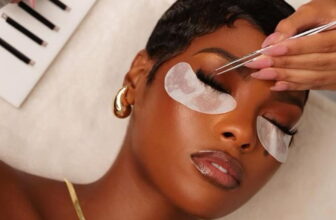
Taking off makeup at the end of the day may seem like a simple routine, but it can make a big difference to how healthy your skin looks and feels.
Many people don’t realize that the way they remove makeup can affect their skin barrier, cause dryness, or even lead to breakouts. Proper makeup removal isn’t just about getting rid of foundation or mascara; it’s about doing it gently so the skin can breathe and repair overnight.
Learning how to remove makeup correctly helps keep your face clean, smooth, and protected from irritation.
The goal is not to scrub your face until it’s bare but to lift away every trace of product while respecting your skin’s natural oils and moisture. Whether you wear heavy makeup daily or just a light touch of powder and lip gloss, your removal process matters. Here’s a complete guide on how to remove makeup without damaging your skin, with practical steps, simple ingredients, and smart habits you can start using right away.
Removing makeup is more than just wiping off color. Makeup products are often formulated to last long hours, resist water and sweat, and stay in place through the day. While this is great for your look, it also means that removing your makeup requires a bit more care. Using harsh cleansers or rubbing too hard can strip your skin of its protective oils, which then leads to dryness, tightness, and sometimes redness. The right method keeps your pores clean and helps your skin stay balanced, soft, and clear.
One of the most common mistakes people make is going to bed without removing their makeup. Leaving makeup overnight clogs pores, traps dirt and oil, and causes blackheads, pimples, and dullness. Your skin renews itself while you sleep, but when there’s a layer of makeup on it, this natural process is blocked. That’s why no matter how tired you are, removing your makeup properly should always be part of your nightly routine.
When choosing a makeup remover, it’s important to pick one that suits your skin type. People with dry skin need something gentle and hydrating, while those with oily or combination skin may prefer lightweight or oil-free formulas.
 Photo Courtesy
 Avoid products that contain a high volume of alcohol, artificial fragrance, or harsh chemicals, as these can irritate the skin or cause breakouts. Look for soothing ingredients like aloe vera, chamomile, micellar water, or natural oils that cleanse while keeping the skin calm.
Start With Clean Hands
Before you touch your face, wash your hands thoroughly. Your fingers carry dirt and bacteria that can transfer onto your face and cause irritation or acne. Clean hands mean you’re starting your routine in the safest way possible.
Use a Gentle Makeup Remover
There are many types of makeup removers available. Micellar water, cleansing oils, and balms are the most popular. Micellar water works well for most skin types because it attracts dirt and oil without stripping the skin. Cleansing oils are excellent for breaking down waterproof makeup and heavy foundation.
Cleansing oils work on the principle that oil dissolves oil, meaning they melt away makeup effectively without drying the skin. Cleansing balms, which turn into a silky oil when massaged onto the skin, are perfect for a relaxing, nourishing removal process.
To use beauty essentials correctly, pour or scoop a small amount onto a cotton pad or your clean fingertips. Gently massage the product over your face in circular motions. Focus on the areas where you applied more makeup: around the eyes, nose, and lips. Allow the remover to dissolve the makeup rather than scrubbing hard. Give it time to break everything down before wiping it off.
Be Gentle Around the Eyes
The skin around your eyes is thinner and more sensitive than the rest of your face. Tugging or rubbing can lead to irritation, wrinkles, and redness. If you wear mascara, eyeliner, or eyeshadow, soak a cotton pad in micellar water or eye makeup remover and hold it against your eyelid for a few seconds.
 Photo: Rawpixel
 This helps loosen the makeup so you can wipe it away easily. Always wipe downward or outward, not back and forth. For waterproof mascara, an oil-based remover works best because it breaks down the formula quickly without damaging your lashes.
Double Cleanse for Complete Removal
Even after using a remover, traces of makeup may still linger in pores. That’s why dermatologists often recommend double cleansing. After removing makeup with oil or micellar water, wash your face with a mild cleanser that suits your skin type.
This second cleanse removes leftover residue, sweat, and dirt. It also ensures that your skincare products, such as toner and moisturizer, can penetrate properly afterward.
If your skin feels dry after cleansing, it may mean your face wash is too harsh. Choose a gentle, pH-balanced formula with ingredients like hyaluronic acid, ceramides, or glycerin to keep your skin barrier healthy.
Rinse With Lukewarm Water
Hot water may feel soothing, but it can strip away natural oils, leaving your face dry and tight. Lukewarm water is the best choice because it helps rinse away impurities without damaging your skin.
Cold water, on the other hand, may not remove oil-based residue effectively. Gently pat your face with a clean towel instead of rubbing it.
Moisturize Immediately
After cleansing, your skin needs hydration to stay soft and balanced. Apply a lightweight moisturizer or hydrating serum right after washing your face. This locks in moisture and helps repair the skin barrier.
If your skin is oily, choose a gel-based moisturizer; for dry skin, go for a creamy or rich one. Adding a few drops of facial oil can also help if your skin feels tight after cleansing.
Don’t Forget Your Lips
Lipstick, especially matte or long-wear types, can dry out your lips if not properly removed. Use a little micellar water or olive oil on a cotton pad and wipe gently. Follow up with a nourishing lip balm or petroleum jelly to keep your lips soft and smooth overnight.
Natural Ingredients That Help Remove Makeup Safely
Some women prefer natural options for removing makeup, and there are several that work well without causing harm. Coconut oil, olive oil, and jojoba oil are popular choices. The makeup essentials break down foundation, mascara, and lipstick easily while keeping the skin hydrated. However, those with acne-prone or oily skin should use them sparingly or opt for lighter oils like grapeseed or sunflower oil, which are less likely to clog pores.
Aloe vera gel is another gentle option, especially for sensitive skin. It helps dissolve makeup and soothes irritation. You can mix aloe vera with a few drops of coconut or olive oil for a simple DIY remover. Cucumber juice and rose water also refresh the skin while helping to cleanse it naturally.
Why Proper Makeup Removal Matters
Every day, your skin faces pollution, dirt, and sun exposure, along with layers of makeup. When these stay on your face overnight, they create a breeding ground for bacteria and free radicals. This leads to breakouts, premature aging, and dullness. Proper removal allows your pores to stay clear and your skincare products to work more effectively.
Removing makeup correctly also prevents eye infections and lash breakage. Leftover mascara and eyeliner can clog the lash line, leading to irritation. Similarly, foundation residue can block pores around your nose and chin, causing blackheads and whiteheads. Consistent cleansing ensures your skin remains clean and balanced.
Avoid Harsh Towels or Rough Wipes
Many women use makeup wipes for convenience, but these can be too abrasive for daily use. Most wipes contain alcohol or synthetic fragrance that can irritate the skin, especially when used on the delicate areas of the face.
If you must use wipes, follow up with a gentle cleanser afterward to remove any leftover residue. A better alternative is reusable cotton pads or soft microfiber cloths that remove makeup efficiently without scratching the skin.
 Photo Courtesy
 Pay Attention to Product Ingredients
While choosing a makeup remover or cleanser, always read the label. Avoid formulas that list alcohol, artificial perfume, or sulfates as main ingredients. These can dry out or inflame your skin. Instead, look for products that include hydrating and soothing elements like chamomile, green tea, aloe, or vitamin E. Products marked “non-comedogenic” are also safer for acne-prone skin since they don’t clog pores.
How Often Should You Remove Makeup?
Makeup removal should be part of your daily routine, especially before bedtime. Even if you didn’t wear much makeup, cleansing helps remove sunscreen, dust, and oil that build up throughout the day. It’s fine to refresh your face with micellar water during the day if you reapply makeup or spend time outdoors, but your main cleansing should be done at night before you sleep.
Special Tips for Different Skin Types
For Dry Skin:
Use creamy or oil-based cleansers that nourish as they clean. Avoid foaming cleansers that leave your face feeling tight. Always moisturize immediately after washing.
For Oily Skin:
Go for lightweight, oil-free, or gel cleansers. Micellar water is also excellent because it removes dirt without leaving residue. Don’t skip moisturizer; choose one that balances oil levels.
For Sensitive Skin:
Look for fragrance-free, hypoallergenic formulas. Avoid harsh scrubs or products with alcohol. Aloe vera-based removers and mild micellar waters are good choices.
For Combination Skin:
Try double cleansing with an oil-based remover followed by a gentle gel cleanser. This ensures the dry areas stay hydrated while the oily zones remain clear.
 Photo: Rawpixel
 Hydration After Makeup Removal
Once your skin is clean, it’s the best time to apply hydrating products. Toners, essences, and serums penetrate better on freshly washed skin. Choose those rich in hyaluronic acid, niacinamide, or green tea extract to calm and refresh. Following up with a moisturizer helps seal in all that goodness.
Nighttime Care After Removing Makeup
If you want glowing skin, what you do after removing makeup is just as important. Clean skin absorbs nutrients more efficiently. Apply a serum that targets your skin concern, whether it’s dullness, dryness, or uneven texture.
Finish with a nourishing night cream to lock everything in. For an extra boost, use a hydrating sheet mask two to three times a week.
Common Mistakes to Avoid During Makeup Removal
Scrubbing too hard, using hot water, or skipping moisturizer can undo your efforts. Some people think a quick wipe is enough, but that often leaves residue behind. Others use products not suited for their skin type, leading to dryness or breakouts.
Being gentle and choosing the right products will always give better long-term results.
Simple Home Remedies for Makeup Removal
If you prefer natural solutions, mix equal parts of olive oil and rose water and store it in a clean bottle. Shake it before each use and apply it to a cotton pad to remove makeup. Another easy recipe is mixing aloe vera gel with a few drops of vitamin E oil. This helps cleanse while moisturizing your face.
Plain yogurt can also act as a mild makeup remover. It contains lactic acid, which helps clean the skin without stripping it. Massage a small amount on your face and wipe off with a soft cloth. These natural options are inexpensive, safe, and gentle for most skin types.
Why Rinsing Is Not Enough
Simply splashing water on your face will not remove makeup. Most makeup products, especially long-lasting ones, are designed to resist water. Water alone cannot dissolve oil-based formulas or sunscreen. Using proper cleansers ensures that no residue remains on your skin.
Eye Care After Makeup Removal
After removing eye makeup, apply an eye cream or gel to keep the area hydrated. This helps reduce puffiness and fine lines over time. Avoid applying too close to your lash line; a small amount is enough to keep the area nourished.
What Happens When You Don’t Remove Makeup Properly
Failing to remove makeup can lead to clogged pores, acne, dullness, and uneven texture. Over time, your skin may look tired and lose its natural glow. Makeup residue can also weaken your lashes and cause eye irritation. Consistent, gentle cleansing prevents these problems and supports healthy skin renewal.
When to Replace Your Cleansing Products
Makeup removers and cleansers should be replaced every few months, especially if the texture or smell changes. Using expired products can irritate your skin or cause breakouts. Keep your containers tightly closed and avoid dipping wet fingers inside to prevent bacterial growth.
Recommended Makeup Removal Products
Farmacy Makeup Remover Cleansing Balm
 Photo Courtesy
 Bioderma – Sensibio – H2O Micellar Water – Makeup Remover Cleanser
 Photo Courtesy
Garnier Micellar Water, Hydrating Facial Cleanser & Makeup Remover
 Photo Courtesy
Neutrogena Gentle Oil-Free Eye Makeup Remover & Cleanser
 Photo Courtesy
 Clinique Take The Day Off Makeup Remover For Lids, Lashes & Lips
 Photo Courtesy
 Final Thoughts
The best way to remove makeup without damaging your skin is by being patient and gentle. Treat your face like something delicate that deserves care. Choose products suited to your skin type, avoid harsh rubbing, and always follow with hydration. Building this habit will keep your complexion clear and youthful.
Cleansing is not just a task but an act of self-care. Each time you remove your makeup, you’re giving your skin the chance to breathe, repair, and glow. When you make it part of your nightly routine, it becomes second nature; a simple way to protect your skin and help it stay healthy for years to come.
With consistency, patience, and the right steps, makeup removal becomes more than a routine; it becomes the foundation of lasting, radiant skin.
Photo Courtesy
You May Also Like:
Your Ultimate Guide to Achieving a Natural No-Makeup Makeup Look
December 30, 20257 Best Makeup Removers to Keep Your Holiday Glam Fresh
December 23, 2025Brow Grooming: An In-Depth Guide to Maintaining Healthy Brows
December 18, 2025Best Anti-Aging Products: Your Guide to Younger-Looking Skin
November 21, 2025Meghan Markle Goes Makeup Free On The Cover Harper's Bazaar magazine
November 20, 2025The Best Foundation for Natural Skin
November 13, 2025Skincare Myths You Should Stop Believing in 2026
November 12, 202510 Best Skin Brightening Serums for Radiant and Healthy Skin
September 26, 2025The Makeup Trends You Need to Know from NYFW Spring 2026
September 23, 2025How to Blend the Concealer and Bronzer Like a Pro
September 22, 2025Dark Spots vs Acne Scars: What’s The Big Difference?
September 15, 2025Double-Lined Lips Are the Makeup Easiest Way to Get Fuller Pouts
September 4, 2025


Esther Ejoh is a Fashion Editor at Fashion Police Nigeria, where she writes all things fashion, beauty, and celebrity style, with a sharp eye and an even sharper pen. She’s the girl who’ll break down a Met Gala look one minute, rave about a Nigerian beauty brand the next, and still find time to binge a movie or get lost in a novel. Style, storytelling, and self-care? That’s her holy trinity.