The colorful patterns of Ankara fabric are always instantly recognizable. From dresses and headwraps to suits and accessories, Ankara has become synonymous with African fashion. Its bright designs and bold prints captivate attention, making it a favorite in both everyday life and high fashion.
Ankara is worn as a badge of culture and confidence. It appears in weddings, corporate events, and global fashion weeks, turning ordinary outfits into bold statements.
However, behind the vibrant aesthetics lies a fascinating story of history, culture, and identity. While many embrace Ankara as a symbol of African heritage, questions about its origins continue to spark debate.
Is Ankara truly ours, or have influences from beyond Africa shaped it? Exploring the history of Ankara, production, and cultural significance sheds light on this question.
Historical Origins: From Dutch Factories to African Markets
Ankara is often believed to be an original African fabric, but its story begins far from the continent. Its earliest roots can be traced to Europe, where Dutch manufacturers in the 19th century produced what was known as Dutch wax prints.
These prints were inspired by the Indonesian art of batik, a dyeing technique that utilizes wax to create intricate patterns. At the time, Indonesia was under Dutch colonial rule, and European factories tried to imitate this handmade process through industrial methods.
The result, however, was imperfect. The machine-made wax prints lacked the precision and artistry of true batik, and the Indonesian buyers rejected them. With warehouses filled with unsold clothes, European traders began seeking new markets. Eventually, they turned their attention to West Africa.
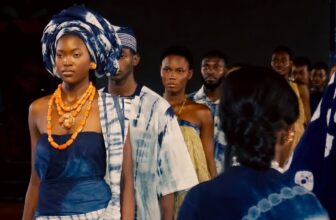
 Photo: Instagram/baaba._
 When these vibrant prints arrived on African shores, they immediately caught the eyes of people. The bold patterns, lasting colors, and affordable prices made them a favorite among local buyers.
Over time, African communities began influencing the Ankara designs, infusing the fabrics with local stories, proverbs, plants, and cultural symbols. The fabric that once came from European factories gradually took on a distinctly African identity.
What started as a commercial failure in Asia became a cultural treasure in Africa. Through creativity and adaptation, West Africans transformed Dutch wax prints into Ankara, a textile that now embodies pride, heritage, and self-expression across the continent.
The Cultural Transformation of Ankara
The embrace of Ankara in West Africa was never just about style or beauty; it carried deeper cultural significance. Communities across the region began attaching personal and social meanings to each fabric. A single print could reflect a person’s status, express shared values, or commemorate special occasions.
Families often wear matching fabrics at weddings, festivals, and naming ceremonies, creating a visual bond that symbolizes unity and belonging. This tradition, widely known in Nigeria as aso ebi, remains one of the most powerful ways people express kinship, friendship, and community through clothing.
Though the technical roots of the Ankara prints can be traced back to Europe, the spirit of Ankara is deeply African. Local tailors, designers, and traders gave the vibrant print fabric a life, transforming it from a mere textile into a canvas of identity. With time, new motifs began to tell stories from proverbs and historical moments to symbols of love, strength, and resilience.
In doing so, African communities claimed Ankara fabric as their own, turning the textile into a living archive of shared experiences and cultural memory.
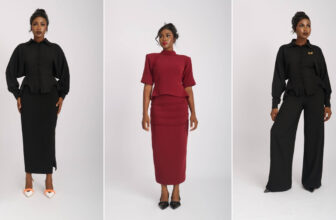
 Photo: Instagram/guzangs
 When the first wax prints arrived, Africa was already going through a period of rediscovery; a time when people sought new ways to express who they were beyond colonial narratives. The bright patterns and daring colors resonated with local artistic traditions and the storytelling embedded in African visual culture.
The fabric found its place in everyday life, used for ceremonies, family gatherings, and markets filled with vibrant displays of pattern and pride. Cities across Ghana, Nigeria, and Benin soon became trading centers where women competed for the latest designs, each cloth carrying meaning, gossip, and beauty all at once.
As Ankara became more embedded in African life, designers began reinterpreting its patterns to mirror the continent’s pulse. Some prints featured sayings that conveyed wisdom or humor; others portrayed local events, plants, or social themes. The more the designs evolved, the more African they became.
Eventually, local production began to flourish. West African countries like Ghana, Nigeria, and Côte d’Ivoire started establishing textile factories, allowing communities to produce their own Ankara fabrics rather than relying on European imports. Companies such as Ghana Textiles Printing (GTP) and UNTL Nigeria led this movement, adopting wax-resist printing techniques while adding unique African creativity.
Local artists mixed colors in new ways, created patterns inspired by daily life, and ensured every piece of fabric told a story that resonated with its people. This shift transformed Ankara from a foreign-made commodity into a truly African craft, owned, defined, and shaped by Africans.
Modern fashion designers have taken that spirit even further. Contemporary African fashion houses now use Ankara not just as a fabric but as a form of cultural storytelling. It has graced runways in Lagos, Johannesburg, Accra, and beyond, gaining recognition in international fashion capitals.
Designers like Lisa Folawiyo, Ituen Basi, and Christie Brown have built global reputations by reimagining Ankara fabric into chic, modern silhouettes while keeping its African soul intact.
Ankara fabric is no longer confined to traditional clothing. It’s become part of everyday life — showing up in office wear, street style, accessories, and even home décor. It’s sewn into sneakers, stitched into handbags, and wrapped around furniture, showing its adaptability and timeless charm.
African celebrities proudly wear the vibrant African prints on red carpets, while global stars draw inspiration from its bold spirit and authenticity.
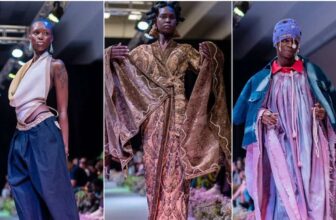
 Photo Courtesy
 What once arrived as unwanted fabric from European traders has become one of Africa’s most powerful cultural symbols. Each thread represents creativity, resilience, and pride. Ankara’s journey reflects how African communities can transform foreign influences into something profoundly their own, not just through fashion, but through meaning.
Today, the fabric stands as a testament to reinvention, a celebration of self-expression, and a reminder that culture is not about where something begins, but how it’s embraced, reshaped, and celebrated by the people who make it their own.
Global Popularity and the Question of Appropriation
As Ankara’s fame spread, fashion designers outside Africa began incorporating it into their collections. While some collaborations have celebrated cultural exchange, others have sparked criticism. The debate often centers on cultural appropriation, which involves using cultural symbols without understanding or acknowledging their original meaning.
When global brands release “African print” collections without involving African designers, it raises concerns about exploitation and misrepresentation. However, the conversation is slowly shifting. Many African designers now partner with global labels, ensuring that collaboration replaces imitation. The goal is not to gatekeep culture but to ensure credit and context accompany creativity.
Beyond its cultural value, Ankara is also an economic force. The textile industry employs thousands across Africa, from fabric producers to tailors and fashion entrepreneurs. Local markets thrive on the constant demand for new prints. For small businesses, Ankara offers a path to financial independence.
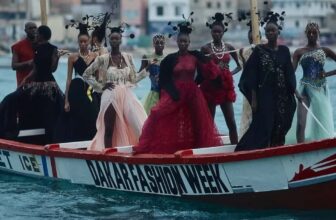
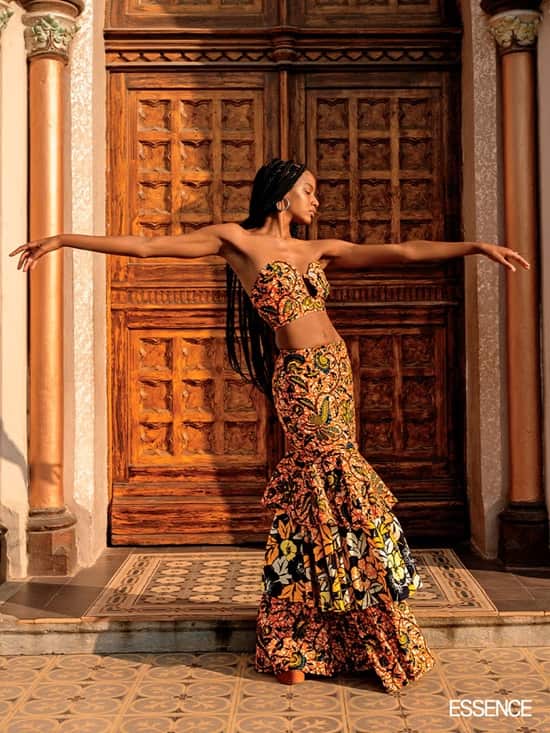 Photo: Essence
 Tailors and designers, especially women, build livelihoods around creating garments from this versatile fabric. With every sale, Ankara sustains not only fashion but families and communities. The rise of online commerce has expanded the market further, allowing African prints to reach buyers around the world. Ankara has become more than a fabric; it is a driver of growth and empowerment.
The Symbolism of Colors and Patterns
Every colour in Ankara carries emotional weight. Red often symbolizes energy and passion, blue represents peace and stability, and yellow stands for joy and abundance. Patterns can represent fertility, unity, or wisdom. Each combination of colour and shape conveys a layered message.
This symbolic complexity allows wearers to express feelings and beliefs without words. During celebrations, certain prints signify happiness or success; during mourning, darker tones may appear. The versatility of Ankara means it adapts to every emotion and occasion, making it an intimate part of life’s rhythm in African communities.
Fashion schools across Africa now include textile studies that explore Ankara’s heritage and future. Students learn to design new patterns, research cultural meanings, and innovate responsibly. This education ensures that younger generations understand both the cultural depth and commercial potential of Ankara.
The new generation of designers is blending technology with tradition, using digital tools to create prints, experimenting with sustainable dyes, and rethinking how Ankara fabric can be worn in modern contexts. They see the beautiful African print fabric not as a relic of the past but as a bridge between heritage and progress.
Ankara Beyond Africa
Diaspora communities play a vital role in spreading Ankara’s influence. Africans living abroad use the fabric to stay connected to their roots. Wearing Ankara fabric in London, New York, or Toronto often serves as a cultural reminder; a way of carrying home wherever one goes.
Ankara fabric has also entered pop culture. Music videos, films, and international fashion events feature artists wearing the fabric proudly. Its inclusion in global media reshapes perceptions of African fashion, challenging stereotypes and highlighting Africa as a source of inspiration and innovation.
The Debate Over Authenticity
Despite Ankara’s success, questions persist: if it wasn’t originally African, can it truly represent African identity? The answer lies in how culture works. Authenticity is not determined by origin but by meaning. Culture is built through adaptation and reinvention. When Africans embraced wax prints and infused them with local stories, symbols, and values, they redefined the fabric’s identity.
 Photo Courtesy
 Ankara fabric is authentic because it carries African experiences. It has been used in political movements, weddings, protests, and festivals. It expresses individuality and community at once. Its authenticity comes from the lives it touches and the messages it carries—not from where it was first made.
Ankara Fabric as an Archive of History
Each print of Ankara is a piece of history. Some commemorate historical moments or honour leaders. Others mark social changes, innovations, or collective memories. In many ways, Ankara functions like a textile archive: a colorful record of African society over the years.
Researchers have begun documenting these stories, collecting and cataloging patterns that reveal how societies evolved. Through Ankara, one can trace changes in taste, politics, and identity. It serves as a visual history woven into fabric, accessible not through books but through wardrobes.
Cultural Diplomacy Through Fashion
Ankara has become an instrument of soft power for Africa. When global icons like Beyoncé, Lupita Nyong’o, or Michelle Obama wear Ankara-inspired designs, they do more than make a fashion statement; they promote African artistry. Countries like Nigeria and Ghana use fashion shows, expos, and festivals to showcase their textile heritage.
These events attract global investors, boost tourism, and foster cultural exchange. Ankara’s visibility abroad helps shift narratives, presenting Africa not as a receiver of culture but as a contributor shaping global aesthetics.
Sustainability and the Future of African Textiles
As awareness about sustainability grows, the future of Ankara depends on responsible production. Traditional wax printing involves chemicals and water usage, which can harm the environment if not managed well. Some African designers are turning to organic cotton and natural dyes to make eco-friendly Ankara.
Sustainability also includes preserving artisanal knowledge, teaching younger generations traditional techniques, and protecting local industries from cheap imitations. By valuing authenticity and quality, Africa can ensure that Ankara remains both environmentally and culturally sustainable.
Social Identity and Pride
Ankara is deeply personal. For many, it represents belonging, beauty, and pride. Wearing the African print fabric can evoke memories of family, culture, or home. It reminds Africans everywhere that creativity can thrive even from borrowed beginnings. The fabric’s strength lies not in where it started, but in how it was reimagined.
When communities wear matching Ankara ensembles, they express unity. When designers create new patterns, they tell modern stories. When young Africans post Ankara outfits online, they assert pride in their roots. The fabric continues to evolve, yet its meaning remains grounded in identity and resilience.
 Photo Courtesy
 The question of whether Ankara is truly African cannot be answered simply with yes or no. Its technical origins are European, but its cultural heart is African. Communities transformed the fabric into a symbol of identity, creativity, and heritage. Ankara reflects history, community, and individuality, while evolving with contemporary fashion trends. Wearing Ankara celebrates this journey; a testament to the power of adaptation, creativity, and expression.
Ankara continues to grow with each generation that wears it, designs with it, and interprets it. It bridges continents, histories, and identities, reminding us that culture is fluid and dynamic. When we wear Ankara, we participate in a living tradition, honouring the past, embracing the present, and inspiring the future. In every thread, pattern, and color, Ankara fabric is a symbol of African creativity, cultural pride, and enduring significance.
Photo: Instagram/benaya_official
You May Also Like:
Highlights from the 2025 Africa Fashion Week Nigeria
December 22, 2025Wana Sambo Returns With a New Collection Inspired by New Beginnings
December 18, 2025Everything You Need To Know About Nairobi Fashion Week 2026
December 16, 2025Dakar Fashion Week 2025 Reveals a New Era for the African Runway
December 11, 2025Africa Fashion Week Nigeria 2025: Everything You Need To Know
November 6, 2025Lagos Fashion Week 2025 Day 4 Highlights: A Celebration of Colour, Culture and Craft on the Runway
November 4, 2025Lagos Fashion Week 2025 Day 3 Connected Business, Culture, and the Future of African Fashion
November 3, 2025Lagos Fashion Week 2025 Day 2 Celebrated Confidence, Craft and Conscious Design
November 2, 2025How Aso-Oke Fabric is Woven From Start to Finish
October 13, 2025Lace Clothing is Having a Major Fashion Moment in Nigeria — Here’s Why
October 8, 2025Why Dakar is Becoming the New Hub for African Streetwear and Couture Fashion
October 1, 202516 Fashion Schools in Africa Every Aspiring Designer Should Know
September 12, 2025


Esther Ejoh is a Fashion Editor at Fashion Police Nigeria, where she writes all things fashion, beauty, and celebrity style, with a sharp eye and an even sharper pen. She’s the girl who’ll break down a Met Gala look one minute, rave about a Nigerian beauty brand the next, and still find time to binge a movie or get lost in a novel. Style, storytelling, and self-care? That’s her holy trinity.