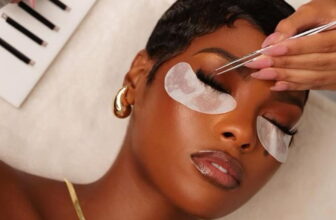
Skin problems often linger even after acne itself has cleared.
Many people breathe a sigh of relief when a breakout finally heals, only to feel frustrated when they notice marks that refuse to fade. Sometimes those marks are dark, flat patches that seem glued to the skin. Other times, they are uneven dents or raised areas that change how the skin feels. At first glance, both look like reminders of acne, but they are not the same. These marks fall into two categories: dark spots and acne scars.
The confusion between the two skin problems is common because they both appear after pimples heal. Someone might see a flat brown or purple spot and call it a scar, or notice an indentation and assume it’s just discoloration.
This mix-up often leads people to buy the wrong treatments, waste money, and grow impatient when results don’t come. The truth is that dark spots and acne scars are very different conditions. They form in different ways, they look different under close inspection, and most importantly, they require different solutions.
Dark spots are caused by extra pigment produced when the skin is inflamed. The hyperpigmentation is smooth to the touch and affects colour but not texture. Acne scars, on the other hand, happen when breakouts damage tissue beneath the surface. Scars alter the structure of the skin and can show up as indentations or raised patches that rarely fade on their own. Understanding the difference between dark spots and acne scars is the first step toward choosing treatments that actually work.
Ahead, we will explain what dark spots are, what acne scars are, how to differentiate the skin condition, how long they last, and what you can do to reduce or prevent them. By the end, you’ll know exactly what you’re dealing with when you look in the mirror and how to move forward with the right approach.
What Are Dark Spots?
Dark spots that remain after acne are known as post-inflammatory hyperpigmentation (PIH). Dark spots happen when inflammation from pimples triggers excess melanin production. Melanin is the pigment that gives skin its color. When more melanin gathers in one spot, that area appears darker than the surrounding skin.
Dark spots can appear in different shades depending on your skin tone. They may be brown, black, purple, or even grayish. Dark spots are completely flat, which means you cannot feel them when you run your fingers over the skin.
 Photo Courtesy
 Causes of Dark Spots
- Inflammation from acne: The most common trigger. Even mild pimples can leave dark spots.
- Sun exposure: Ultraviolet rays make pigmentation darker and more noticeable.
- Picking or squeezing pimples: This increases inflammation and worsens pigment changes.
- Skin injuries: Cuts, burns, or scrapes can also result in pigmentation patches.
What Are Acne Scars?
Acne scars are permanent texture changes that occur when breakouts damage skin tissue. Unlike dark spots, which are about pigment, scars involve the structure of the skin itself. When acne goes deep into the skin, it damages the underlying tissue. The body tries to heal by producing collagen. Too little collagen leads to depressions, while too much creates raised scars.
 Photo: Instagram/samiesestetica
 Types of Acne Scars
-
Atrophic scars (depressed scars):
- Ice pick scars: Deep, narrow holes that look like tiny punctures.
- Boxcar scars: Broad depressions with defined edges.
- Rolling scars: Shallow depressions with uneven edges that create a wave-like effect.
- Ice pick scars: Deep, narrow holes that look like tiny punctures.
-
Hypertrophic or keloid scars (raised scars):
- Caused by excess collagen during healing, leaving thick, raised areas above the skin’s surface.
- Caused by excess collagen during healing, leaving thick, raised areas above the skin’s surface.
How to Tell Them Apart
-
Texture
Dark spots are smooth. Acne scars change the texture. They may be bumpy or indented.
-
Colour
Dark spots are discoloured patches. Scars may be flesh-colored, red, or dark, but are primarily about texture.
-
Healing time
Dark spots can fade over months. Scars tend to stay unless treated.
-
Response to treatment:
Brightening creams can improve dark spots, but scars usually require medical procedures.
How Long Do They Last?
Dark spots are not permanent, though the skin condition can linger for months to years, depending on skin type and treatment. Mild spots may fade within 3 to 6 months. Without sun protection or skincare, they may last longer.
Acne scars are more permanent. Some may soften slightly over the years, but most remain unless actively treated with professional options like laser therapy, microneedling, or fillers.
Treatments for Dark Spots
At-Home Treatments of Dark Spots
- Vitamin C: Brightens skin and reduces pigmentation.
- Niacinamide: Helps even out skin tone and reduces inflammation.
- Alpha arbutin: Lightens pigmentation over time.
- Retinoids: Increase cell turnover and fade discoloration.
- AHAs and BHAs: Chemical exfoliants that improve uneven tone.
- Sunscreen: Prevents spots from getting darker.
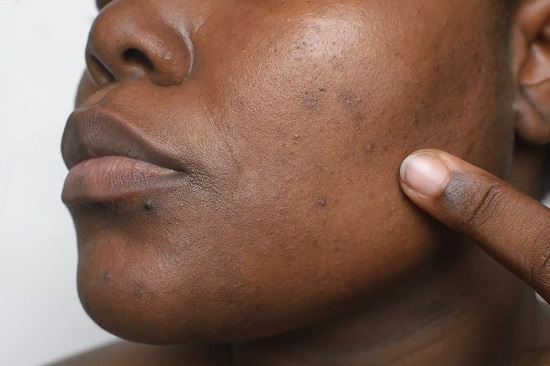 Photo Courtesy
 Professional Treatments
- Chemical peels: Remove the outer skin layer to reveal new skin.
- Laser treatments: Target pigmentation and break it down.
- Microneedling: Promotes new skin growth, helping spots fade faster.
Treatments for Acne Scars
Professional Options
- Laser resurfacing: Stimulates collagen and smooths scars.
- Microneedling with radiofrequency: Repairs skin structure.
- Dermal fillers: Raise depressed scars temporarily.
- Subcision: Breaks tough scar tissue under the skin.
- Steroid injections: Flatten raised scars.
 Photo: Instagram/bodylounge_nyc
 At-Home Care of Acne Scars
While over-the-counter products may help skin tone, they rarely change texture. Retinoids can support collagen production for mild scars, but professional treatments are usually needed.
Prevention Tips
- Treat acne early with appropriate products or prescriptions.
- Never pick or squeeze pimples to avoid worsening inflammation.
- Apply sunscreen daily to stop marks from deepening.
- Use gentle skincare that doesn’t strip or irritate the skin.
Choosing the Right Treatment
If you notice smooth discoloration, you are likely dealing with dark spots, which can be treated with brightening ingredients and sun protection. If the issue is uneven texture, it’s more likely acne scars, which may need dermatological procedures. Many people deal with both at the same time, so combined treatments are often best.
Dark spots and acne scars may look similar after breakouts, but they are different skin conditions with different causes, appearances, and treatments. Dark spots are temporary pigment issues, while acne scars are permanent texture changes. Recognizing the difference helps you choose the right solutions and avoid wasting time on ineffective products.
With patience, consistent care, and professional help when needed, you can reduce both dark spots and acne scars, leading to clearer and healthier-looking skin.
Photo: Instagram/simphiwee_mb
You May Also Like:
Your Ultimate Guide to Achieving a Natural No-Makeup Makeup Look
December 30, 20257 Best Makeup Removers to Keep Your Holiday Glam Fresh
December 23, 2025Brow Grooming: An In-Depth Guide to Maintaining Healthy Brows
December 18, 2025Best Anti-Aging Products: Your Guide to Younger-Looking Skin
November 21, 2025Meghan Markle Goes Makeup Free On The Cover Harper's Bazaar magazine
November 20, 2025The Best Foundation for Natural Skin
November 13, 2025How to Remove Makeup Without Damaging Your Skin
November 12, 2025Skincare Myths You Should Stop Believing in 2026
November 12, 202510 Best Skin Brightening Serums for Radiant and Healthy Skin
September 26, 2025The Makeup Trends You Need to Know from NYFW Spring 2026
September 23, 2025How to Blend the Concealer and Bronzer Like a Pro
September 22, 2025Double-Lined Lips Are the Makeup Easiest Way to Get Fuller Pouts
September 4, 2025


Esther Ejoh is a Fashion Editor at Fashion Police Nigeria, where she writes all things fashion, beauty, and celebrity style, with a sharp eye and an even sharper pen. She’s the girl who’ll break down a Met Gala look one minute, rave about a Nigerian beauty brand the next, and still find time to binge a movie or get lost in a novel. Style, storytelling, and self-care? That’s her holy trinity.