Botswana is celebrated for its breathtaking landscapes, rich culture, and welcoming people. Among its many treasures, fashion stands out as a vibrant expression of identity and creativity. The country’s style journey is a colorful mix of tradition and modern influences, reflecting both its deep-rooted heritage and its growing presence on the global stage.
In the past, clothing in Botswana was closely tied to the customs of different ethnic groups. Each community had its own way of using dress to tell stories and preserve values.
The Basotho, for example, are known for their iconic Seanamarena blankets, which symbolize warmth, pride, and identity, especially during important ceremonies. The Bakgatla people, too, have distinctive garments that showcase their history and traditions.
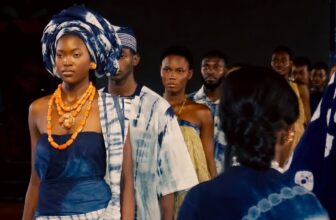
Shweshwe fabric, characterized by its bold prints and rich colors, has long been a staple of Botswana’s fashion. Traditionally used for men’s shirts and trousers, it remains a favorite for both everyday wear and special occasions. These garments were a way of honoring culture and belonging.
 Photo Courtesy
 As the country moved into the late 20th century, globalization and technology began to reshape how people dressed. Young Botswanans gained more access to international fashion, inspiring them to experiment with new styles while still valuing traditional roots.
By the 1990s and early 2000s, local fashion designers began blending traditional fabrics with modern cuts, creating unique fusions that appealed to both locals and visitors.
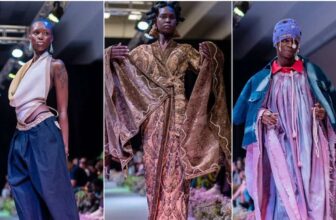
A turning point came with the launch of Batho Fashion Week in 2009, which gave designers a platform to showcase their work. This annual event has since become a celebration of creativity and a driving force for Botswana’s fashion industry, attracting buyers, models, and fashion lovers from across the region.
 Photo: Instagram/bathofashionweek
 Social media has further fueled this growth. Platforms like Instagram and Facebook allow designers to promote their brands, connect with customers, and reach audiences far beyond Botswana. Young people now use these spaces to express their personal style, often mixing traditional patterns with global trends to create bold new looks.
This exposure has helped elevate Botswana’s fashion status, attracting attention from fashion enthusiasts around the world. As a result, more people are becoming interested in Botswana’s unique style, leading to increased demand for local designs.
Local materials are also at the heart of Botswana’s fashion industry. Many designers choose to work with fabrics and resources that are made within the country or sourced from nearby regions.
This decision does more than just add authenticity to their designs; it also supports the local economy by creating opportunities for artisans, weavers, and small businesses. When a designer uses handwoven cloth, traditional prints, or naturally dyed fabrics, they help preserve the skills and knowledge that have been passed down through generations.
 Photo: Instagram/girlybone_kookilwe
 Using indigenous materials also makes fashion more sustainable. Instead of relying heavily on imported fabrics that require long-distance shipping and large amounts of energy, local production reduces the industry’s carbon footprint. Designers are finding creative ways to repurpose textiles, use eco-friendly dyes, and minimize waste, making fashion not only stylish but also environmentally responsible.
There’s also a strong cultural element. Wearing these materials is a way of celebrating identity and keeping traditions alive in a modern world. It ensures that even as global trends influence the industry, Botswana’s fashion stays rooted in its own unique culture.
By combining creativity with responsibility, the use of local materials shows how fashion in Botswana can honor the past while building a more sustainable and proud future.
The rise of women in fashion has been one of the most powerful shifts in Botswana’s style story. In the past, the fashion space was often male-dominated, but today women are stepping forward as designers, entrepreneurs, models, and creative leaders. They are not only carving out space for themselves but also reshaping the industry in meaningful ways.
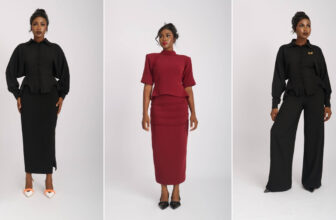
Female fashion designers (Funky Resy, Nikiwe Gaorekwe, and more) bring unique perspectives to their work, often drawing inspiration from their personal experiences, culture, and heritage.
Their collections tend to highlight stories that connect deeply with communities, while also experimenting with bold, modern ideas. Women entrepreneurs are also building fashion businesses that provide jobs and open new opportunities for others, especially young people who want to join the industry.
Models, too, play a major role in this change. By embracing their individuality, they are challenging old beauty standards and showing that fashion is for everyone, no matter their background, body type, or style. This shift has encouraged a culture of confidence, where people feel free to express themselves without fear of judgment.
Together, these women are inspiring others, especially the younger generation, to see fashion as more than just clothing. It has become a platform for self-expression, empowerment, and even activism. Their presence has made Botswana’s fashion scene more inclusive, celebrating diversity and encouraging people to define style in their own way.
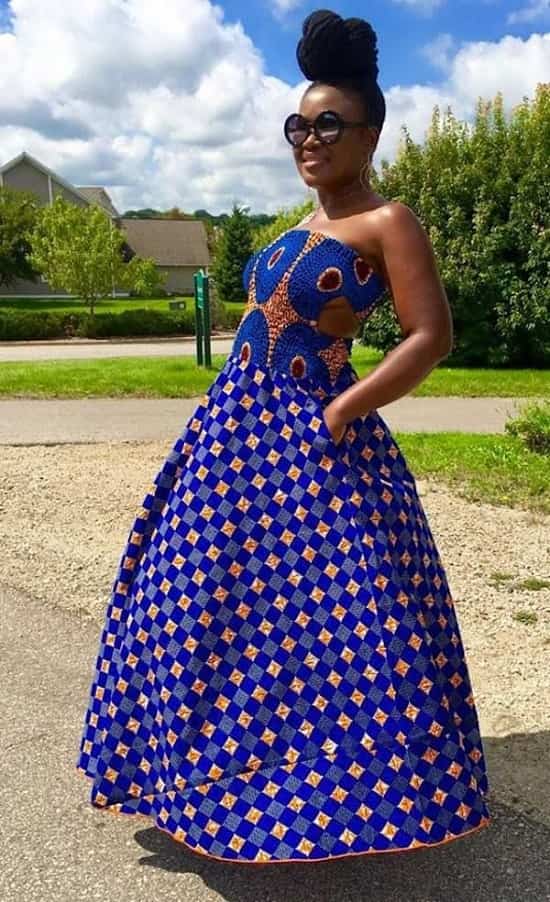 Photo Courtesy
 Fashion in Botswana also plays an important role in the country’s economy. The industry creates jobs in many areas, from textile production and fabric suppliers to clothing shops, modeling, and design studios.
Every step of the process, whether it’s weaving fabric, tailoring garments, or selling finished pieces, provides opportunities for people to earn a living and develop valuable skills.
Local designers are not only creating beautiful collections but also building small businesses that support others in their communities. Tailors, seamstresses, pattern makers, and retailers all benefit when the fashion industry grows. Events like fashion shows and pop-up markets also bring in money, attract tourists, and encourage people to shop locally, which helps boost Botswana’s economy as a whole.
Beyond job creation, fashion has become a way to inspire the next generation in Botswana. Many young people are now seeing fashion as a career path, whether through designing, modeling, photography, or styling.
This shift encourages them to think creatively, start their own businesses, and become entrepreneurs. Social media has made this even easier by giving young Botswanans the chance to share their work with the world, build their brands, and connect with international audiences.
Most importantly, the growth of Botswana’s fashion industry is helping to put the country on the global stage. Local talent is being recognized not just in Africa but around the world, showing that Botswana has something unique to offer. This visibility builds national pride and encourages more investment in the creative industries, ensuring that fashion continues to be a driver of both cultural expression and economic progress.
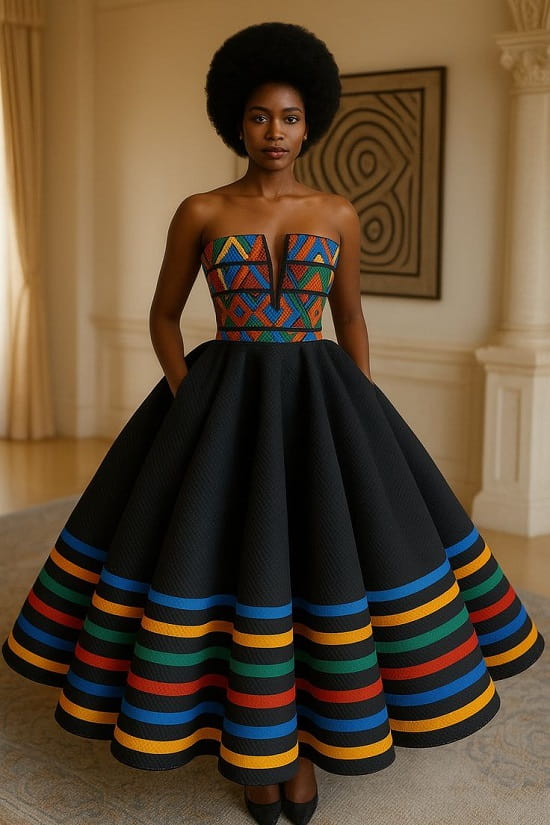 Photo Courtesy
 Today, you can see this evolution everywhere, from street style to red-carpet events. Outfits often combine traditional prints like shweshwe with sleek, contemporary cuts, resulting in looks that are both modern and deeply meaningful. Fashion has become a way for Botswanans to express identity, honor heritage, and confidently step into the future.
In the end, the story of fashion in Botswana is one of transformation, pride, and resilience. It is a journey that continues to evolve, weaving together threads of tradition and innovation. By blending heritage with trend, Botswana has created a fashion landscape that is uniquely its own: vibrant, dynamic, and ready to shine on the global stage.
Photo: Instagram/fashiontswana
You May Also Like:
Highlights from the 2025 Africa Fashion Week Nigeria
December 22, 2025Wana Sambo Returns With a New Collection Inspired by New Beginnings
December 18, 2025Everything You Need To Know About Nairobi Fashion Week 2026
December 16, 2025Dakar Fashion Week 2025 Reveals a New Era for the African Runway
December 11, 2025Africa Fashion Week Nigeria 2025: Everything You Need To Know
November 6, 2025Lagos Fashion Week 2025 Day 4 Highlights: A Celebration of Colour, Culture and Craft on the Runway
November 4, 2025Who Owns Ankara? The Untold Story Behind Africa’s Most Loved Fabric
November 3, 2025Lagos Fashion Week 2025 Day 3 Connected Business, Culture, and the Future of African Fashion
November 3, 2025Lagos Fashion Week 2025 Day 2 Celebrated Confidence, Craft and Conscious Design
November 2, 2025How Aso-Oke Fabric is Woven From Start to Finish
October 13, 2025Lace Clothing is Having a Major Fashion Moment in Nigeria — Here’s Why
October 8, 2025Why Dakar is Becoming the New Hub for African Streetwear and Couture Fashion
October 1, 2025


Esther Ejoh is a Fashion Editor at Fashion Police Nigeria, where she writes all things fashion, beauty, and celebrity style, with a sharp eye and an even sharper pen. She’s the girl who’ll break down a Met Gala look one minute, rave about a Nigerian beauty brand the next, and still find time to binge a movie or get lost in a novel. Style, storytelling, and self-care? That’s her holy trinity.